
Norman Darcy, formerly a performance director for U.S. Soccer and the German Football Association, shares insights on the mindset crucial for teams playing at the Azteca stadium. Drawing parallels with Ernest Shackleton’s 1914 Imperial Trans-Antarctic Expedition, Darcy emphasizes the importance of mental preparedness. Shackleton’s venture, though thwarted by sea ice, is legendary for survival and successful return.
Before embarking on this journey, Shackleton’s job advertisement highlighted the arduous conditions, noting small wages, bitter cold, and constant danger. While England’s squad may not face such trials, they will contend with the elements, such as the daunting altitude of 7,220 feet and a fierce home crowd. Mexico’s team has a history of leveraging every advantage, sometimes blurring the lines of sportsmanship.
“Hazardous Journey. Small Wages, bitter cold, long months of complete darkness, constant danger, safe return doubtful. Honour and recognition in case of success.”
Last week, Ecuador experienced these challenges, facing disturbances at their hotel by fans during the World Cup. They filed a complaint against Mexico’s off-field tactics, some of which are reminiscent of stories shared by former U.S. players Charlie Davies and Jozy Altidore about objects hurled at them in previous matches.
The Azteca stadium’s atmosphere, once overwhelming, remains iconic despite reduced capacity, increased prices, and added suites. Mexico’s record at the Azteca is formidable: never losing in 10 World Cup games and conceding only four goals in the 2020s. Their dominance is underscored by 70 wins out of 89 matches against mostly lower-ranking Concacaf opponents.
According to Darcy, now with MLS team Chicago Fire, preparedness is essential. He advises players to mentally simulate worst-case scenarios. This mental exercise aims to build resilience, ensuring players won’t be surprised by the intensity of the experience.
Preparation includes security and logistics set months in advance. When the U.S. team played at the Azteca in March 2022, they coordinated with security experts to maintain cooperation with local authorities. Despite these efforts, challenges with police escorts have occurred, with some claiming routes were intentionally prolonged. As a precaution, regional security officers assess risks, while embassies ensure comprehensive escorts for teams and belongings.
The choice of accommodation plays a critical role. Past disturbances have led federations to hire additional security and restrict hotel access. Teams often stay at locations that offer strategic advantages, like quick exits from Mexico City. The U.S. federation took further preventive measures like blocking domestic calls to hotel rooms and providing players with earplugs for restful sleep.
Player safety and performance are paramount. Teams often hire private chefs or control hotel kitchens to guard against food contamination. Bottled water is a necessity, reducing risks further. In training, players use altitude chambers, oxygen tanks, and drink nutrient-rich juices like beet and cherry juice to aid performance.
Altitude presents a physiological challenge, slowing athlete recovery and impacting ball movement. Preparation includes altitude acclimation, as the U.S. team demonstrated with high-altitude training camps. Performance can also be supported through diets and supplements addressing specific nutritional needs.
Ultimately, when the whistle blows, it is up to the players to overcome these challenges on the field.
 Chicago Cubs’ Reliever Palencia Makes Impactful Return
  Colin Kaepernick’s NFL Comparison and Controversy
  Jerry Jones and the Cowboys Celebrate Victory over Washington Commanders
  Lane Kiffin Criticized Postgame, Justin Herbert Under Fire
 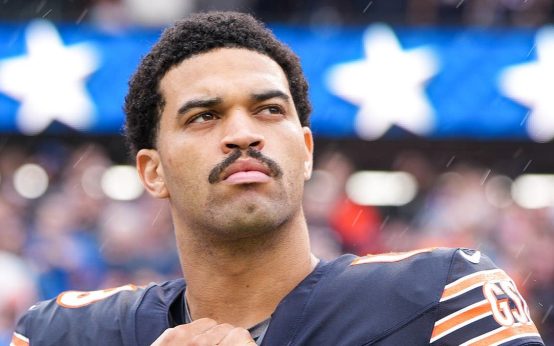 Caleb Williams’ Injury: Week-to-Week Prognosis Eases Bears’ Fears
 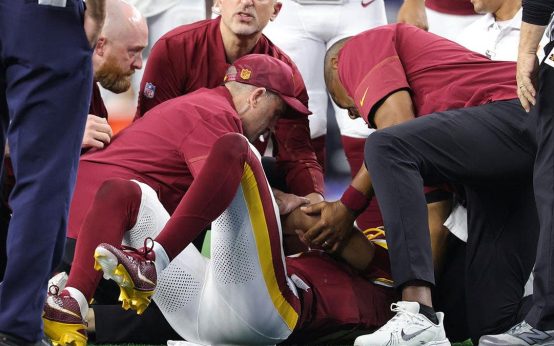 Jayden Daniels’ Injury Impact on Washington Commanders