
As of June 17, 2026, more than 500 ships are stranded in the Strait of Hormuz, according to data from ship tracking firm Kpler. The situation presents a significant logistical challenge.
U.S. officials are planning to finalize an agreement to end the conflict in Iran on Friday. However, the world could still face high gas prices and a lack of essential goods like fertilizer for an extended period.
The complexities involved in restoring safe passage through the strait include clearing navigation routes and ensuring the security of shipments. Even with an official ceasefire, logistical and diplomatic hurdles remain formidable.
Experts warn that the pathway to normalcy will take time. While an agreement is a significant diplomatic step, it is only the beginning of resolving broader economic impacts.
 A Stirring Performance of ‘Mexodus’ at the Studebaker Theater
 Nvidia CEO’s Controversial Ties and the Role of Culper Research
 Colin Meloy’s Debut Adult Novel ‘Cascadia’ Explores AI and Climate Challenges
 Iran Allegedly Behind Cyberattacks on French Supermarket Refrigeration Systems
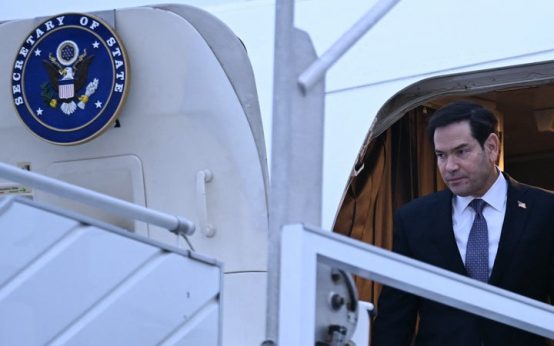 G7 Foreign Ministers Discuss Global Crises Amid U.S. Political Changes
 Feud and Legal Battle in New York Family Dynasty