
Amid growing voter concerns about rising costs, the White House has attempted various strategies to alleviate price pressures. These efforts have encountered significant obstacles.
The administration initially proposed allowing beef imports without tariffs. This move intended to reduce meat prices but faced strong opposition from local farmers and ranchers. They argued it could harm domestic agriculture by undermining the U.S. beef industry’s competitiveness.
In another effort to tackle escalating fuel costs, the government suggested restricting the export of domestic diesel fuel. This proposal aimed to increase supply within the U.S., potentially lowering diesel prices. However, it faced resistance from leading oil companies. They expressed concerns about potential impacts on global supply chains and the industry’s overall financial health.
These initiatives reflect the complexity of managing economic variables while balancing diverse stakeholder interests. Despite these setbacks, addressing inflation and cost concerns remains a priority for policymakers as they navigate an evolving economic landscape.
 Pentagon Updates Wounded Troops Count in Iran Conflict
  Diplomatic Dynamics: Finland and Ukraine’s Stance on Russia
 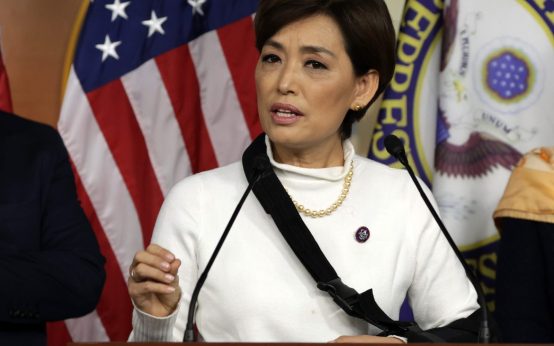 Holding Politicians Accountable for Self-Enrichment Practices
  Protests Erupt in Spain Over Housing Crisis Following Elderly Woman’s Eviction
  California Enacts New Protections for LGBTQ Community
 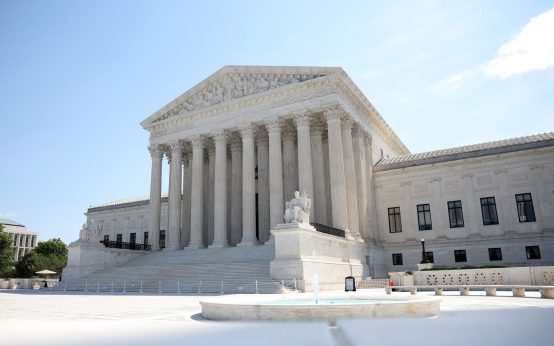 White House Cuts $810 Million in Spending Using Pocket Rescission