Inside the U.S. Capitol, statues honor notable Americans like Will Rogers. He once joked about Congress: “Every time they make a joke, it’s a law, and every time they make a law, it’s a joke.” This humor reflects the sentiment of nearly 9 in 10 Americans unhappy with Congress.
Carl Hulse, chief Washington correspondent for The New York Times, stated, “It’s a great American pastime to hate Congress.” He noted the considerable frustration with its operations. Hulse has observed Capitol Hill since the Reagan era. When asked if he views Congress as broken, he responded affirmatively, emphasizing the lack of cooperation between parties. This absence of collaboration hinders progress, despite a desire among lawmakers to effect positive change.
Article I of the Constitution grants Congress real power, which Hulse believes has diminished. He criticized Republicans for surrendering power to the administration on issues like tariffs and war powers. Such authority, once ceded, is hard to regain. Republicans may view their actions favorably under the Trump administration, but future Democratic presidents are unlikely to reverse this trend.
Currently, the Republican Party controls both the Senate and the House. Despite some impactful legislation, such as a significant tax cut and a bipartisan housing bill, gridlock remains a challenge. The 119th Congress has passed fewer bills compared to previous sessions. Criticism from both sides calls for more action, whether in increasing or cutting federal spending.
President Trump has bypassed Congress on trade issues and exerted pressure for changes like revamping federal voting rules. The Senate faces uncertainty with Mitch McConnell’s hospitalization and Lindsey Graham’s unexpected passing. Hulse remarked on the aging of Congress and the difficult political environment, reminiscing that in 1985 things were different, with many World War II veterans in office.
Blame is shared by both parties for Congress’s current state. Rep. Peter Welch (D-Vt.) attributes the chaos to Republican control, while Sen. Katie Britt (R-Ala.) accuses Democrats of prioritizing politics over people. Sen. Chris Coons (D-Del.) pointed out Trump’s combative stance towards Congress.
Sarah Binder, a Brookings Institution senior fellow, sees Congress as “struggling” and “diminished.” Philip Wallach from the American Enterprise Institute describes it as “marginalized” due to an empowered presidency. Binder believes Congress struggles to reclaim its constitutional authority.
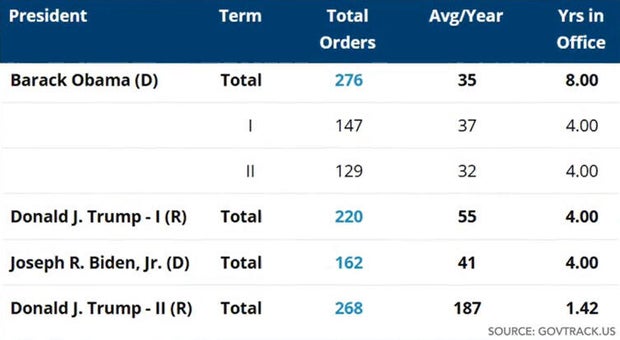
Wallach noted a shift in how members view their roles. Compromise, essential for problem-solving, is now seen as abandoning core values. Members focus more on alignment or opposition with the President, regardless of their party. Executive orders by recent presidents, including over 260 from Trump, have left Americans questioning Congress’s actions.
The public’s expectations of Congress can be unreasonable, requiring broad bipartisan support to achieve significant results. Despite $30 trillion in public debt and looming Social Security issues, these challenges persist.
Binder remains pessimistic about Congress’s ability to resolve its issues, foreseeing further delays in tackling problems. Wallach, however, holds a long-term view, believing Congress can reform and rejuvenate itself over time.
For further information:
Carl Hulse, chief Washington correspondent, The New York Times
Sarah Binder, senior fellow, Brookings Institution
Philip Wallach, senior fellow, American Enterprise Institute
Story produced by Robbyn McFadden and Reid Orvedahl. Editor: Jason Schmidt.
 Independence of Research from Political Agendas
 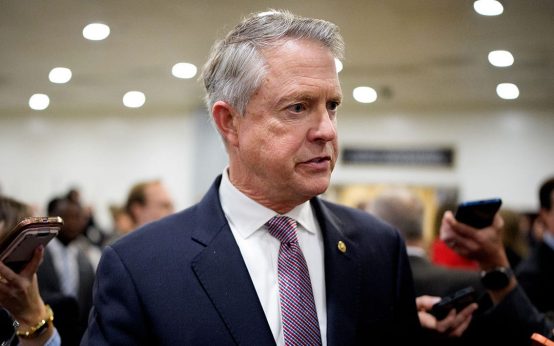 Sen. Roger Marshall Denies Allegations of Political Attack
  Concerns About Food Safety Reach Critical Levels
 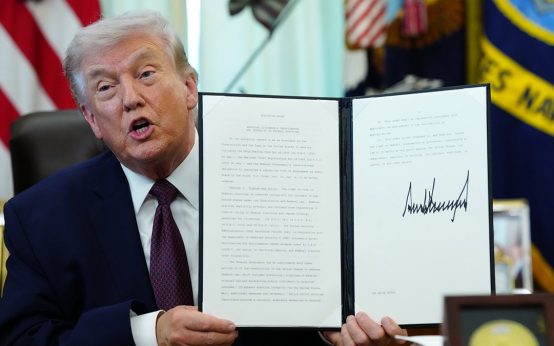 Court Blocks Trump’s Mail-Ballot Rules Ahead of Elections
  A Mother’s Tragic Journey Under Abortion Ban
  U.S. Strategic Goals Remain Unmet Amid Prolonged Conflict