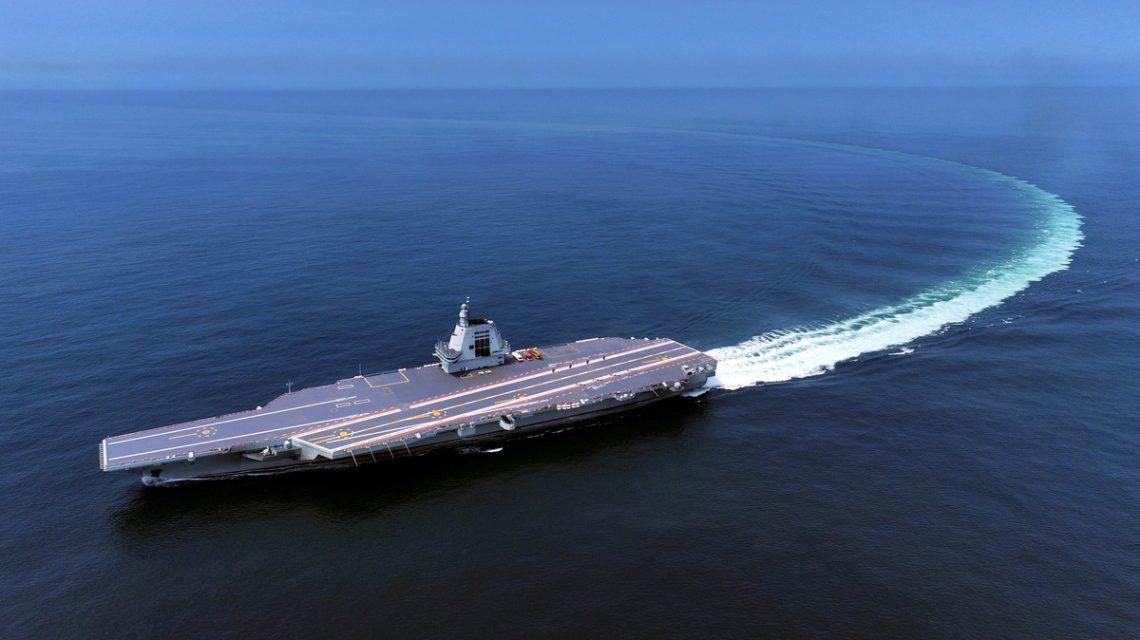
The USS George Washington heads to the Middle East, relieving sailors on the USS Abraham Lincoln. This move raises questions about living conditions on U.S. Navy ships, as it leaves Asia without a U.S. carrier presence.
Current Conditions on U.S. Navy Vessels
Lawmakers demand answers on Abraham Lincoln’s issues after family reports and crew messages detail plumbing problems, low morale, unreliable water supplies, and food shortages. The carrier has been at sea for over 200 days without a port call, diverted to the Middle East, and its return delayed.
Footage shows mold and dirty pipes on the Lincoln. The Navy investigates these images. Meanwhile, the guided-missile destroyer USS Benfold lost power in July, leaving crew without toilets or air conditioning in the South China Sea. Supplies of drinking water were also impacted.
Challenges in the U.S. Navy
The fast pace of U.S. military operations follows U.S. shipyard delays in vessel construction, rising costs, and a shortage of skilled workers. Reports of difficulties on various Navy ships come as the Washington redeploys for stronger U.S. presence near China. Concurrently, Beijing’s navy surpasses the U.S. fleet in number.
Chinese Naval Conditions
Information on Chinese warship conditions is limited. Chinese media provides glimpses, such as the amenities aboard the Liaoning aircraft carrier. Recently, President Xi Jinping called for improved conditions on Chinese vessels.
Smaller ships are often more cramped than larger ones. Newer ships usually have better conditions. Logistics play a key role in living conditions. The USS George Washington underwent extensive maintenance, prepared alongside new Ford-class carriers.
Comparative Shipbuilding
China’s shipbuilding thrives, producing over 50% of the world’s commercial ships annually through more than 300 shipyards, many dual-use for navy vessels. The U.S., labeled “atrophied” by the White House, struggles with limited production.
The CSIS reported China’s advantage. In 2024, the U.S. built only five large merchant ships, while a single Chinese shipyard produced 250 vessels. The U.S. Navy seeks to utilize some foreign-made ships due to domestic backlog.
The U.S. shipbuilding strategy, adapting to demands, emphasizes ongoing challenges in maintaining non-nuclear-powered ships. The GAO highlights the Navy’s struggles with spare parts, qualified personnel, and deferred maintenance.
Mental Health and Deployment Challenges
Extended deployments impact sailors’ mental health. Long stretches without communication with families and uncertainty over deployment duration can increase stress and frustration. Retired Rear Admiral Mark Montgomery noted uncertainty as a significant stress driver.
Senator Richard Blumenthal cites concerns over longer carrier deployments. Recent reports on the Lincoln’s conditions were challenged by military officials. The Navy emphasizes service members’ welfare. U.S. Central Command chief Admiral Brad Cooper acknowledged long sea stints’ challenges, emphasizing crew well-being.
China historically keeps sailors near its shores, avoiding extended sea stints. Yet, it works on extending its reach. A 2018 study showed Chinese sailors’ health affects were linked to service duration and personal factors. Deployments increased mental and behavioral disorders and insomnia, detailed in a 2016 study.
 Conservative Activist Urges AI Safety Measures
 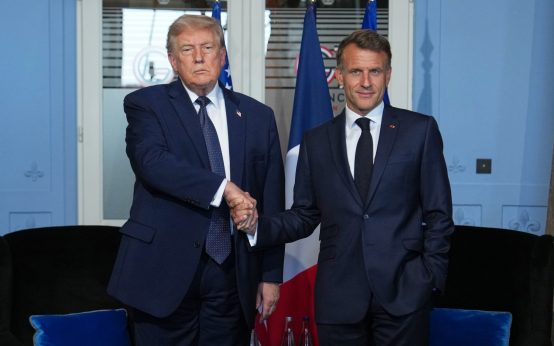 G7 Nations to Release 100 Million Barrels of Oil Amid Fuel Price Surge
  Attempted Hijacking on FlyDubai Flight to Tel Aviv
 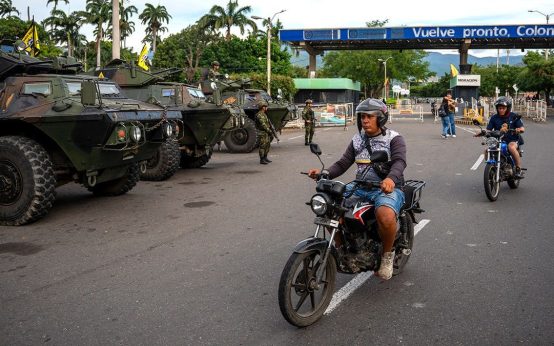 U.S. Officials Warn Against Travel to Colombia’s Norte de Santander
 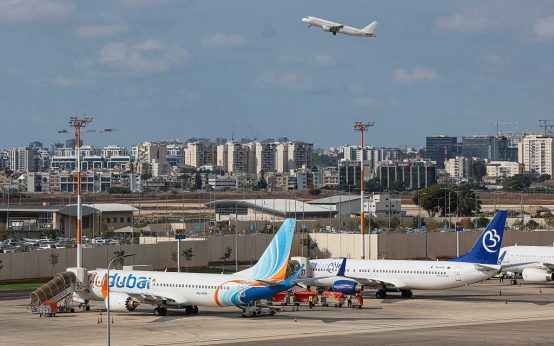 FlyDubai Co-Pilot Accused of Attack Had Previous Extremist Concerns
  Co-Pilot Attack and Security Concerns in Aviation