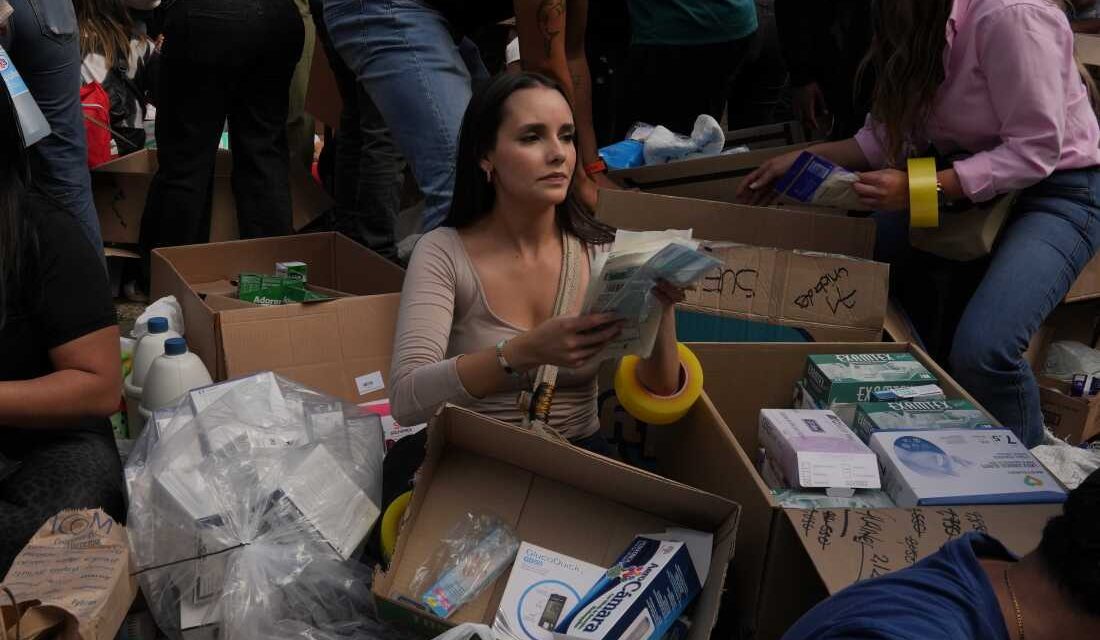
Outside a community center in Bogotá, volunteers are packing boxes with clothes and food onto a truck headed for Venezuela. The supplies are destined for victims of the recent earthquake. Three days after the disaster, President Delcy Rodríguez has pledged to save as many lives as possible, emphasizing unity in the face of the country’s most devastating earthquakes in over a century.
Authorities report over 1,400 deaths and more than 3,200 injuries. Many remain missing. Thousands have lost their homes, with survivors taking refuge in public spaces, shelters, or parks. Frustration is mounting over what is perceived as a slow and uncoordinated response. International teams are reaching Venezuela, but efforts are hampered by a lack of equipment and strained health services. In several heavily impacted areas, the absence of heavy rescue tools forces residents to dig through debris with their bare hands.
Colombia, hosting the largest population of Venezuelans abroad, sees hundreds contributing at community centers, donating non-perishable food, hygiene essentials, clothing, and even supplies for pets. Humanitarian groups in Colombia and neighboring countries are racing to gather critical items for survivors in the coming weeks.
Isabel Mendoza, a Venezuelan street vendor residing in Colombia, brought unused clothing along with gloves, face masks, and toilet paper to a Bogotá donation site. Her family remains unaffected in Maracaibo, but she feels compelled to help. “It’s heartbreaking to see what our people are going through,” Mendoza expressed, recalling her visits to cities like Caracas and La Guaira.
Mariana Godoy, a logistics specialist, filled a shopping cart with bottled water, energy drinks, cookies, deodorants, and sanitation products. Her relative, a doctor in Caracas, is now sleeping in his office after his home was damaged, unable to return. “Our country is facing a challenging time. It’s essential we help,” Godoy stated.
Gisella Serrano, a Venezuelan humanitarian worker, believes the crisis will persist for months. Her foundation, collaborating with other organizations, is storing supplies in warehouses to be transported to Venezuela, aided by Colombian airlines. However, aid groups must navigate permits from the Venezuelan government, which has been hesitant to accept help from private entities, particularly those believed to align with opposition groups. Within Venezuela, activists accuse authorities of obstructing relief efforts, with reports of confiscated donations.
“This crisis is enduring,” Serrano commented. “Resolution won’t come in a matter of days.”
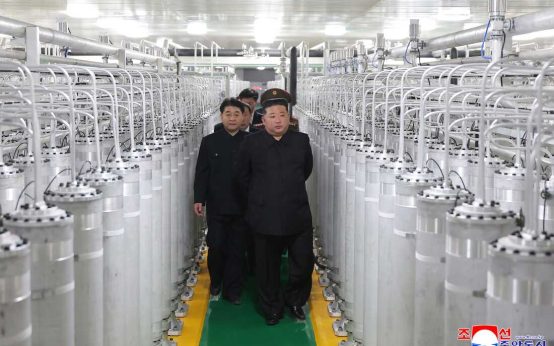 Shifts in Denuclearization Strategies on the Korean Peninsula
 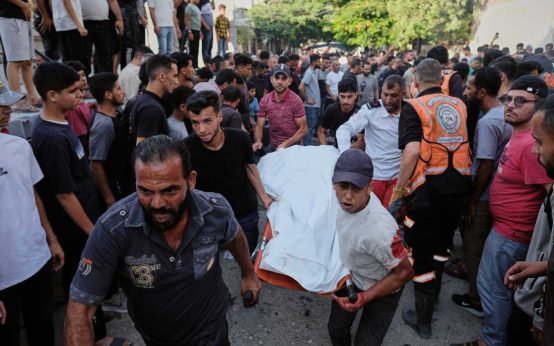 Israel Expresses Security Concerns Over Hamas Disarmament Deal
  Criticism of FIFA President Intensifies Over Controversial Plans
 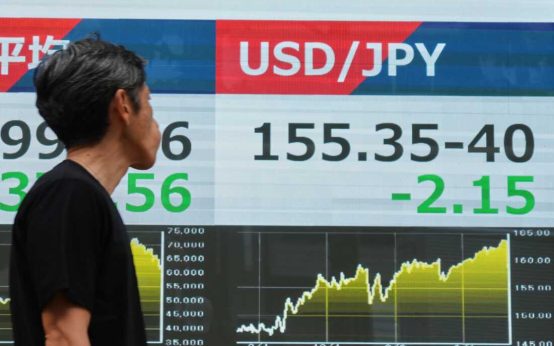 U.S.-Japan Market Intervention Impacts Dollar-Yen Exchange Rate
  Oil Prices Plummet as U.S. Considers Ending Strikes Against Iran
  U.S. Government’s New Regulation Threatens Press Freedom