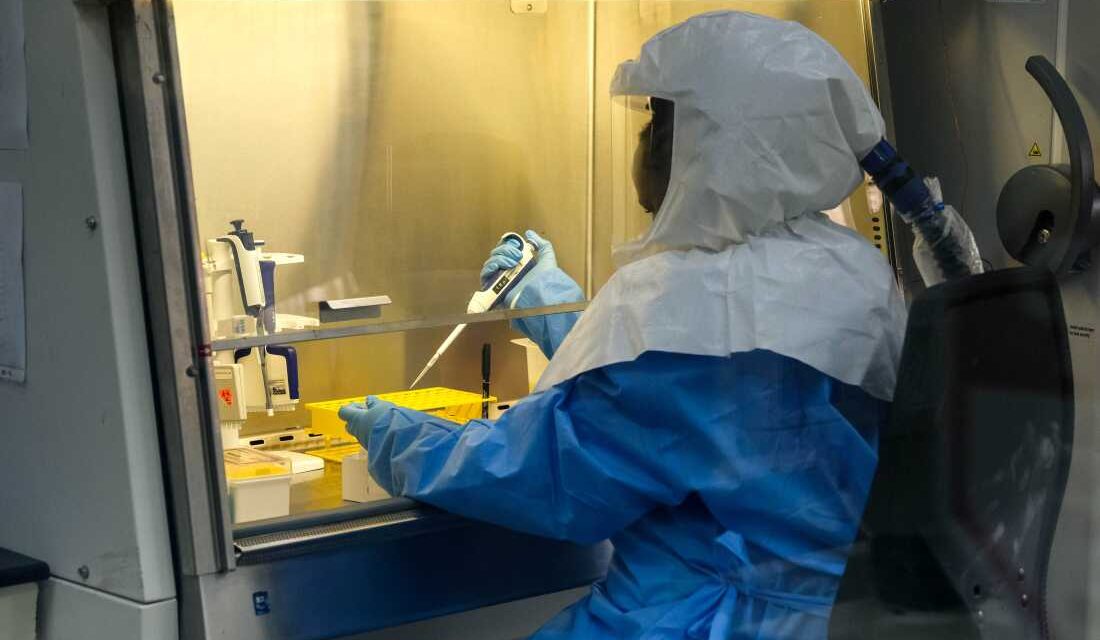
Sophia Mulei, a laboratory technologist in Uganda, works with samples at the Uganda Virus Research Institute in Entebbe. This lab is crucial for Ebola testing. Recent deaths in northeastern Democratic Republic of Congo (DRC) raised concerns about Ebola, leading officials to send samples to the lab in Bunia.
According to Jean-Jaques Muyembe from DRC’s national biomedical research center, initial tests on April 30 indicated no Ebola. However, these tests used the GeneXpert machine, which failed to identify a rare Ebola species. Later tests in Kinshasa confirmed Ebola, leading to a month-long delay before the outbreak was declared in May. This delay allowed the outbreak to become one of the largest ever, with over 1,100 suspected cases.
Caia Dominicus from the International Pandemic Preparedness Secretariat highlighted issues with diagnostics, emphasizing timely testing to isolate patients and prevent virus spread. Although the response has improved, Abdirahman Mahamud from the WHO notes the current capacity may not suffice against the potential reach of 20,000 cases.
A New Testing Solution
A new machine, RADI-One, has enhanced testing capabilities by detecting the Bundibugyo strain more effectively. It requires less training, allowing use in smaller clinics. Seven labs and a mobile unit now process samples in northeastern DRC, and larger facilities can handle over 100 samples daily, reducing backlog significantly. However, more RADI-One machines are needed, with WHO engaging with the manufacturer, KH Medical.
“Sample transport is a major bottleneck. It can take days, some areas are almost completely inaccessible.” – Caia Dominicus
Logistical issues persist, with sample transport challenges and ongoing conflicts complicating diagnostics.
Potential of Rapid Testing
Rapid tests could offer quicker diagnostics, much like COVID-19 tests. Abraar Karan from Stanford University explains that faster detection facilitates faster isolation to prevent virus spread. Although less sensitive, these tests could better depict the outbreak’s scope.
Jean-Jaques Muyembe suggests using rapid tests on living and deceased individuals, as touching the dead can spread Ebola during burials. Despite the necessity, no approved rapid tests exist for the Bundibugyo strain. However, development could be swift, according to Robert Garry from Tulane University.
Investing in both lab-based and rapid tests is crucial yet often underfunded. These diagnostics are vital for informed decision-making, says Dominicus. Without proper diagnostics from the start, the outbreak’s severity might have been prevented.
 Study Highlights Risks Associated with Borg Drinking Trend on U.S. College Campuses
  Miracles and Healing: Insights from ‘The Angels Among Us’
 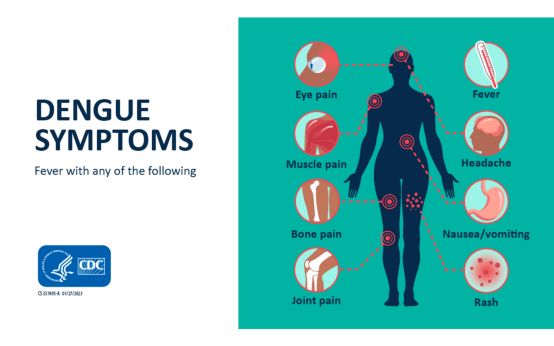 Dengue Fever Surge Impacts Multiple U.S. States
 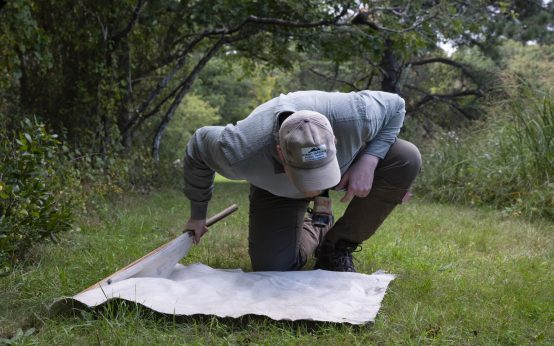 Tickborne Alpha-gal Syndrome Impacting Martha’s Vineyard
  Examining Dementia and Lucidity: Readers Share Insights
  Addressing Systemic Racism: The Importance of ‘The Talk’ for Black and Brown Families