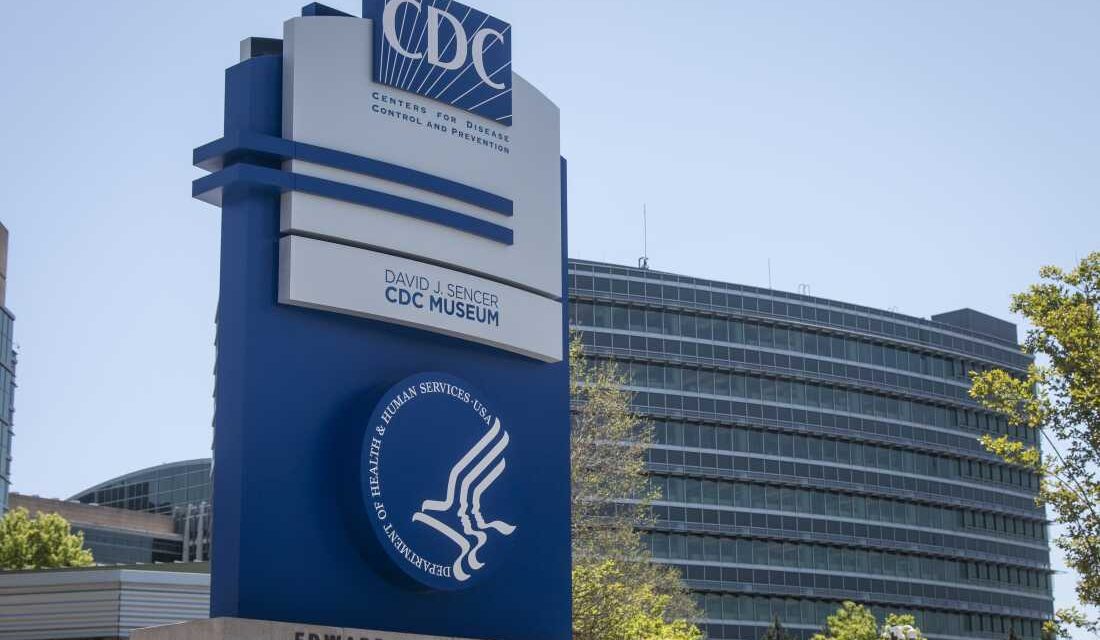
The Centers for Disease Control and Prevention (CDC) is investigating an increase in cyclosporiasis cases across 34 states. As of Tuesday, there have been 1,645 confirmed cases, although the actual number might be higher. This is because not all cases are reported to the CDC, and many people recover without medical intervention. Michigan alone reported 3,309 cases.
The illness, caused by the parasite Cyclospora, results in diarrhea, nausea, and fatigue. The CDC noted 141 hospitalizations nationwide so far, but no deaths. Clusters of cases suggest a possible multistate outbreak involving Michigan, Ohio, West Virginia, and Kentucky.
Individuals contract the illness through contaminated food or water. Fresh produce has been linked to prior outbreaks. For instance, in 2018, McDonald’s withdrew salads in 14 states after they were associated with cyclosporiasis cases. Tainted lettuce was also implicated in 2013, affecting 400 people.
Geographic Spread of Infections
States from California to Texas to Florida reported cyclosporiasis cases starting in May. The Midwest and Northeast, especially Michigan and New York, have been notably affected. Ohio recorded 177 cases by July 2, primarily in June. Dr. Bruce Vanderhoff from Ohio highlighted the illness as serious and potentially requiring emergency care due to dehydration.
Cases involve individuals aged 5 to 88, and more cases are expected due to delays in reporting.
Unclear Outbreak Source
The CDC is working to pinpoint the source of the recent rise in infections. Interviews with affected individuals are part of the process. However, symptoms can appear days or weeks after eating contaminated food, making it difficult to recall everything consumed.
Past outbreaks have been linked to produce like raspberries, basil, cilantro, snow peas, and lettuce. Health officials encourage physicians to test for cyclosporiasis by analyzing stool samples specifically.
Preventative Measures
Cooking food at 158 degrees Fahrenheit or higher can kill the Cyclospora parasite. Public health officials recommend thoroughly rinsing all fresh produce under running water before consumption or cooking. Handwashing with soap before and after handling produce is also crucial.
Seeking Medical Care
If you experience symptoms such as prolonged watery diarrhea with fatigue or appetite loss, seek medical attention. Dr. Kawsar Talaat from Johns Hopkins Hospital suggests visiting a doctor if symptoms persist. She also highlights the importance of reporting symptoms to help track the outbreak’s source.
Standard diarrhea tests do not identify cyclosporiasis, so specific testing is necessary. You might need multiple stool samples to confirm the presence of the parasite. For treatment, the antibiotic trimethoprim/sulfamethoxazole is effective. People usually recover on their own, but those who are older, younger, or immunocompromised are advised to seek treatment early.
 Lymphatic Drainage and Ice Sculpting: Emerging Wellness Trends
  The Rising Trend of GLP-1 Medications Among College Students
  The Challenges and Opportunities of Testosterone Therapy for Menopausal Women
  Concerns Rise Over NIPSCO Permit In Jasper County
  Long-Term Health Impacts of 9/11 and the Continuing Response
  Mental Health Challenges for Women with Type 2 Diabetes