
In the recent Louisiana Republican primary, Charles Wandfluh expressed dissatisfaction with Bill Cassidy’s attempts to retain his U.S. Senate seat despite resistance from former President Trump. Wandfluh, from a New Orleans suburb, likened the senator’s desperate efforts to a frantic rodent. “He’s like a squirrel chasing nuts,” he said, highlighting Cassidy’s struggle.
Cassidy’s spending outpaced his opponents, yet he finished third, failing to secure a runoff spot. This outcome marked a notable failure for a Republican seeking autonomy from Trump. Even within a party known for allegiance shifts during Trump’s era, Cassidy was prominent. Once a supporter of Robert F. Kennedy Jr.’s appointment as health secretary under Trump, Cassidy found himself clashing with Kennedy.
Five years ago, Cassidy voted to convict Trump during the impeachment trial after the January 6 Capitol attack, a move he couldn’t reconcile with Trump’s agenda supporters. “He tried aligning himself with Trump,” Wandfluh noted, “but he had voted to impeach him.” Trump’s endorsed candidate, U.S. Rep. Julia Letlow, and state Treasurer John Fleming, a former Trump official, will contest for the nomination on June 27.
Letlow, supported by Trump, secured the top spot in votes. “There’s no greater endorsement,” she stated, echoing Trump’s satisfaction in a social media post commending her. Trump criticized Cassidy, calling him ungrateful and celebrating his political end.
U.S. Sen. Lindsey Graham, a former Trump critic turned loyalist, shared similar sentiments. “Trump’s strong. Opponents who try to destroy his political future will lose,” Graham said on NBC’s “Meet the Press.” Graham, who did not vote to convict Trump unlike Cassidy and six others, signaled Trump’s lasting influence.
Some who voted against Trump’s interests, such as Richard Burr, Mitt Romney, Ben Sasse, and Pat Toomey, chose not to seek reelection. Lisa Murkowski and Susan Collins managed to navigate their positions carefully, with Collins facing reelection soon.
Trump’s control is evident despite limits on his presidential terms and low approval ratings amid economic dissatisfaction and foreign policy challenges. As he leads the party into his term’s latter half, his influence on Republicans remains strong. Recent successes, like ousting five Indiana state senators against his redistricting plan, demonstrate this.
Cassidy’s speech post-defeat touched on mass political influence without directly naming Trump. Cassidy emphasized loyalty to citizens over individuals. Yet many voters like Mark Schulingkanp and Jeanelle Chachere felt Trump’s endorsement pivotal. They stressed federal support as crucial for their state.
Mark Workman criticized Cassidy’s approval of Kennedy’s role, seeing it as a missed opportunity for bold leadership. Discontent with Cassidy’s political maneuvers was clear among his former supporters.
Reporting from Beaumont in Des Moines, Iowa, with contribution from Bill Barrow in Atlanta, Associated Press provided additional context.
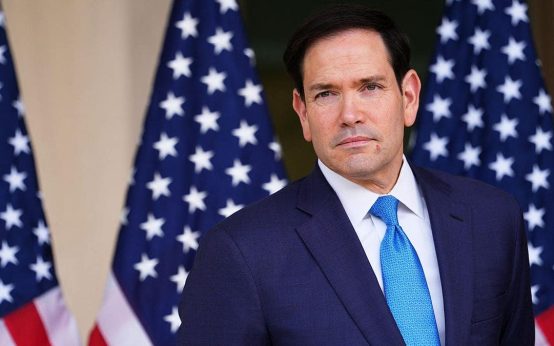 Marco Rubio’s Expanding Role in Trump Administration
 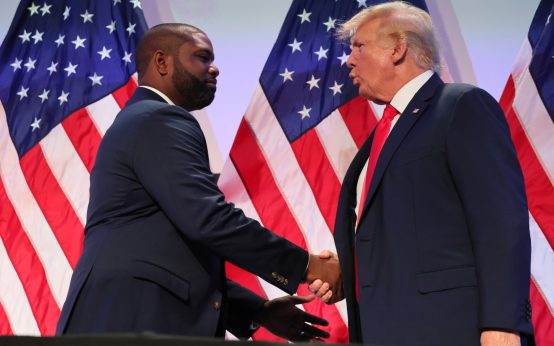 Byron Donalds Adjusts Campaign Strategy as Florida Governor Race Intensifies
 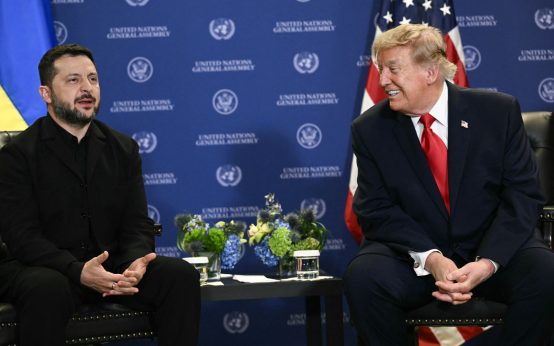 Trump’s Engagements at the UN: Focus on Ukraine and White House Developments
 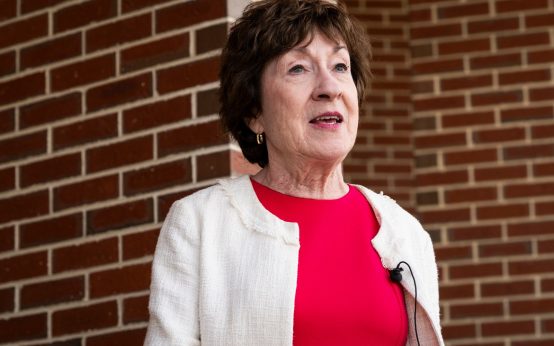 Collins Faces Scrutiny in Tight Maine Senate Race Amid Donor Allegations
  Trump’s Vision for Global Security: Iran, AI, and the Role of the U.S.
  Nevada Attorney General Faces Questions Over Clemency Bid