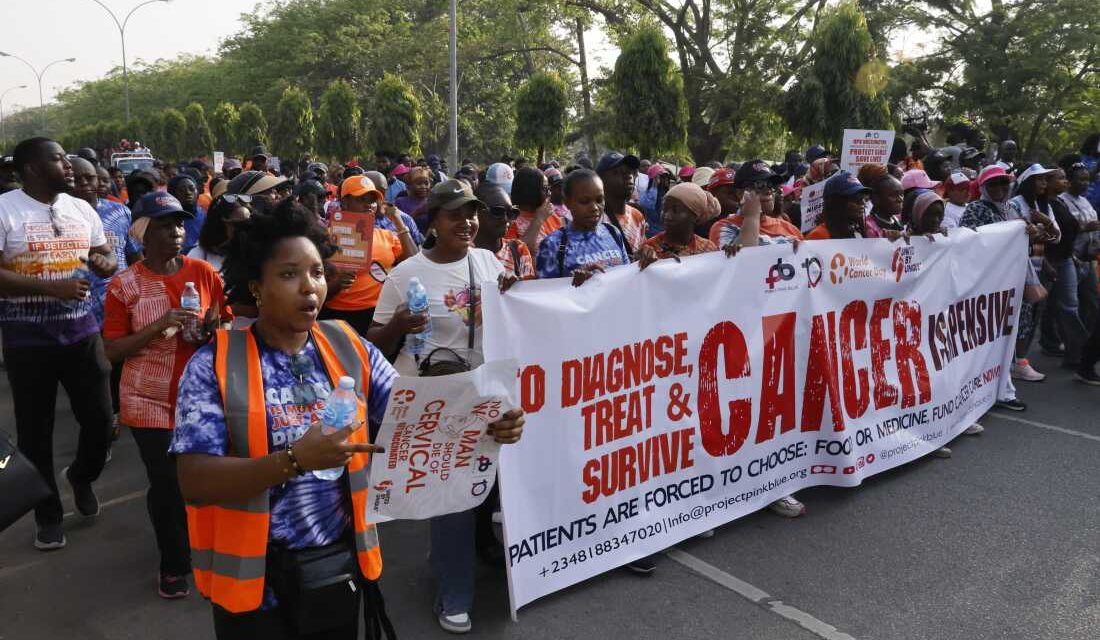
Hundreds gathered in Abuja, Nigeria’s capital, on February 7 for World Cancer Day, marching to raise awareness about cancer and the significance of early diagnosis. The World Health Organization (WHO) notes a sharp rise in cancer cases in Nigeria.
When Titilayo found a lump in her left breast, she felt her world was collapsing. Living in a small city in southern Nigeria, she had to wait weeks for a biopsy. When news came that the lump was malignant, she faced the daunting tasks of a mastectomy and finding chemotherapy, often unavailable locally.
“The burden of getting the chemotherapy drugs — the burden was on me,” Titilayo recalls.
She had young children to consider. “If I die of this thing, who would be able to care for my children?” she says, realizing her life was worth fighting for.
Globally, one in five people will face cancer. While treatments and survival improve in wealthy nations, they lag in regions with rapidly rising diagnoses. WHO projects that by 2050, sub-Saharan Africa will see cancer cases more than double.
Cancer Predictions and Awareness
Dr. Basira Hanafi Lawal, a radiation oncologist in Abuja, sees growing numbers. “We’re wondering if increased awareness brings more people in, or are numbers simply rising?” she asks. Contributing factors include an aging population, increased alcohol and tobacco use, and sedentary urban lifestyles.
Early-stage detection has improved due to preventive screening and public awareness campaigns by nonprofits and religious groups. Yet many patients come late, with severe symptoms. Dr. Lawal estimates 70% of her patients are diagnosed at stages 3 or 4.
Access and Costs of Treatment
Nigeria has approximately 80 oncologists for a population of 242 million, compared to roughly 27,500 oncologists in the United States for 340 million people. A limited number of radiation centers further complicates access.
Cancer patients often bear significant costs. In 2022, 80% of cancer care expenses fell on patients, according to WHO data. Abigail Simon-Hart, a breast cancer survivor and advocate, says the financial burdens force families into debt or to raise funds online.
Regina Fisayo Akinola, also a survivor, emphasizes early detection through regular mammograms. She credits her survival to awareness and family support, but notes many patients lack such backing.
Ethel Olomu, another survivor, says systemic failures lead to poor outcomes, with only 28% of Nigerian women with breast cancer surviving five years post-diagnosis, compared to a global median of 78%.
Social and Governmental Efforts
Cancer survivors face stigma, isolation, and challenges from their communities. Olomu, diagnosed at 31, founded the Engraced Life Foundation to support others. She built a network of over 200 women sharing experiences in Rivers State.
The Nigerian government aims to cut cancer cases by 30% by 2030, creating the Nigerian Cancer Health Fund for low-income patients and investing in infrastructure improvements.
Prevention is a focus. The HPV vaccine, added to routine immunization in Nigeria in 2023, can prevent cervical cancer, common in the region.
“There’s a lot of mistrust in vaccines, but influential champions are creating impactful awareness,” says Jennifer Dent, CEO of BIO Ventures for Global Health.
In Cote d’Ivoire, public awareness has encouraged regular prostate cancer screenings. Such initiatives prepare countries for increasing cancer cases.
Hope for the Future
Titilayo, a mother of three, hopes to inspire others to seek early treatment. Despite challenges of stigma and financial hardship, she currently shows no evidence of disease and remains optimistic.
“I still insist that my life is worth more than any trauma or emotional issue,” Titilayo says, encouraging others to value their lives similarly.
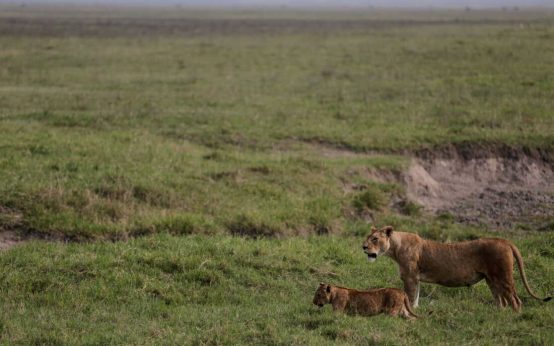 Investigation into Lion Deaths in Tanzania
 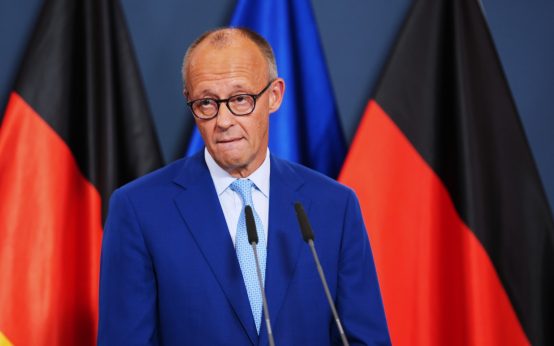 Merz Stays Resolute Amid Electoral Shifts in Germany
  Lymphatic Drainage and Ice Sculpting: Emerging Wellness Trends
 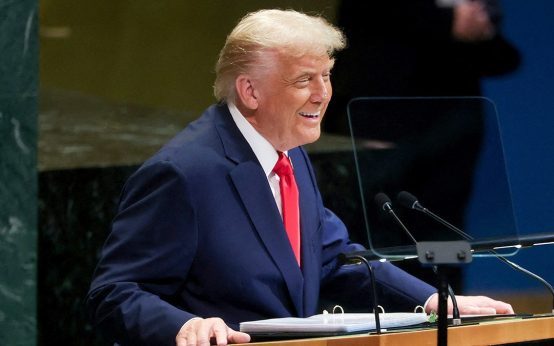 U.S.-Iran Relations and Diplomacy at Upcoming U.N. Assembly
 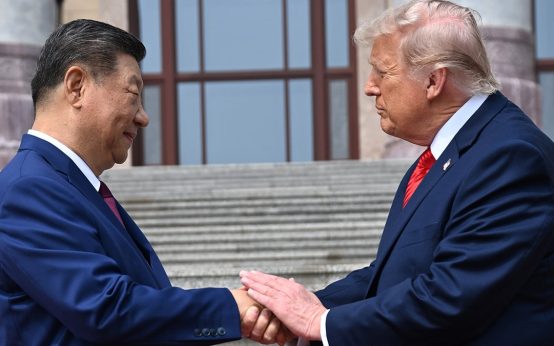 US-China Relations Under Scrutiny: Expert Warns of Escalating Tensions
 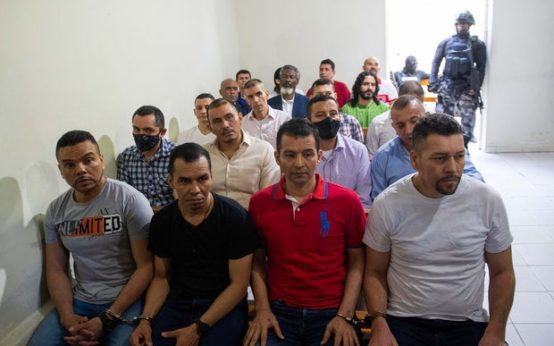 Extradition of Suspects in Haitian President’s Assassination