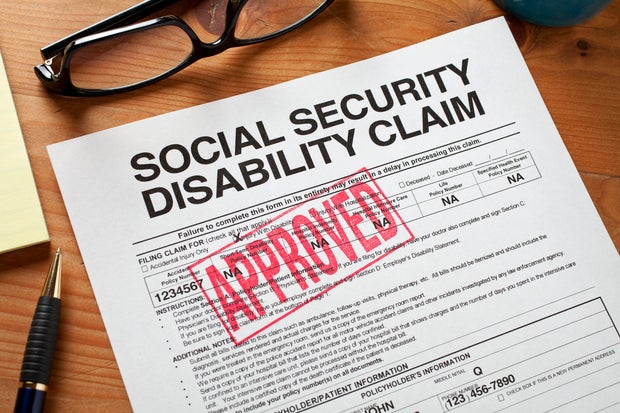
Americans face increased financial strain due to rising inflation, with higher costs for essentials like rent, groceries, insurance, and medical expenses. This is especially true for those on a fixed income who rely more on credit cards to manage routine bills. Borrowing balances climbing can put pressure on many, particularly those dependent on Social Security disability benefits as their main income source. These benefits may not cover expenses as they once did, leading to missed payments, collection calls, and potential wage garnishment.
Understanding Social Security Disability Benefits
Social Security disability benefits offer federal protections, but those aren’t always as comprehensive as they might seem. Can these benefits be garnished for debt, or do they provide enough protection from creditors?
Garnishment of Benefits for Debt
Typically, Social Security disability benefits are protected from garnishment by private creditors. Credit card companies, personal loan lenders, and medical debt collectors usually can’t access Social Security Disability Insurance (SSDI) or Supplemental Security Income (SSI) benefits directly from the Social Security Administration.
The protections stem from federal law, shielding Social Security benefits from creditor collection. If benefits are directly deposited into a bank, the bank must protect up to two months’ worth of benefits from garnishment orders. But these protections have limits.
Federal Debts and Garnishment
Certain government debts can still result in garnishment, including:
- Federal tax debt
- Defaulted federal student loans
- Child support
- Alimony
- Federal restitution orders
The Treasury Offset Program can reduce disability benefits for delinquent federal debts. Though limits exist on how much can be taken, reductions can greatly impact those on a fixed income. SSI benefits generally have stronger protections, particularly against garnishment for federal student loans or tax debt due to its classification as a needs-based program.
Complications with Bank Accounts
Problems may arise once benefits are deposited into a bank account, particularly if mixed with non-protected funds like wages or tax refunds. Creditors with a court judgment may attempt a bank levy. Banks must protect qualifying federal benefits, but mixed funds above the protected amount could be frozen during review. To avoid this, keeping disability benefits in a separate account might help prevent complications.
Legal Actions and Lawsuits
Though creditors can’t garnish disability benefits, they may sue for unpaid debt, leading to court judgments and collection efforts. Ignoring collection notices or court paperwork is risky, as default judgments give creditors additional options for collection.
Dealing with Debt While on Disability
Being protected from private creditor garnishment doesn’t erase debt. Options exist for managing debt while on disability:
- Debt settlement: Negotiating a reduced lump sum payment with creditors, as they can’t garnish SSDI.
- Bankruptcy: Particularly Chapter 7, which discharges most unsecured debt and halts collection activity. Social Security disability income is usually excluded from means testing.
- Debt management plans: Restructuring payments with lower interest rates and fees to ease financial strain.
Social Security disability benefits generally protect against most creditors, with notable exceptions like federal debts and obligations like child support and alimony. Stronger protections exist for SSI, and relief options such as debt settlement, bankruptcy, and debt management can offer pathways to financial stability.