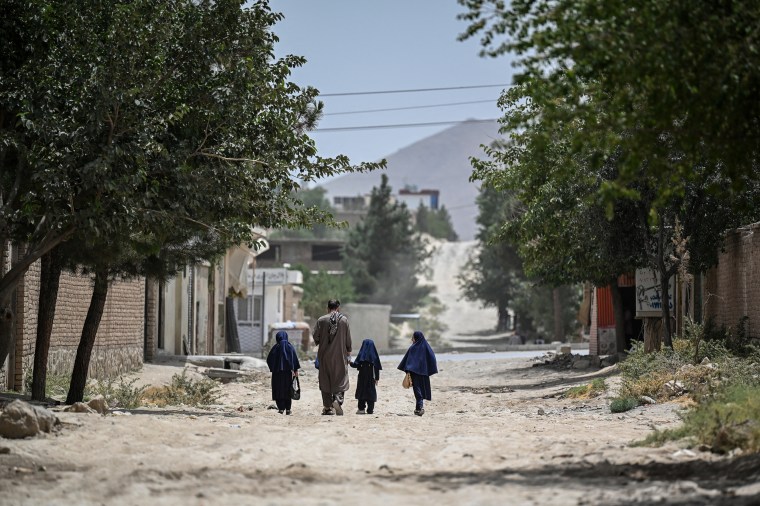
ANKARA, Turkey — Approximately 2.4 million Afghan girls remain without access to secondary education five years after the Taliban takeover, according to a U.N. report released on Tuesday. The U.N. Educational, Scientific and Cultural Organization (UNESCO), located in Paris, is urging for the immediate reinstatement of educational rights for these girls.
UNESCO has labeled the ongoing exclusion of Afghan women and girls from education as a severe violation of their fundamental rights. Afghanistan remains the only nation worldwide where girls and women officially cannot attend secondary and higher education,
stated Hoda Jaberian, UNESCO’s education in emergencies program coordinator, during a video conference. She further added, Five years interrupts nearly an entire secondary school cycle, seriously impacting children’s education.
Jaberian emphasized UNESCO’s continued efforts to restore educational rights unconditionally, viewing it as a non-negotiable, essential human right. She stressed that there is no alternative for education.
Since the Taliban’s power seizure on August 15, 2021, triggered by the withdrawal of U.S. and NATO forces after 20 years, the Taliban barred girls from attending secondary schools. They later extended these restrictions to higher education, employment, and other public sectors. Despite appeals from the U.N., human rights groups, and Islamic nations, the Taliban maintains these bans as domestic issues.
Jaberian highlighted that these restrictions have undone two decades of educational progress in Afghanistan. In 2001, access to girls’ education was significantly limited. By 2021, nearly 1 million girls were enrolled in secondary education. Afghanistan had made significant progress in expanding access to education for girls,
Jaberian noted. Sadly, much of this progress has now been overturned.
UNESCO supports Afghan education through community-driven initiatives, such as literacy and skills development programs. These activities occur in community spaces, often in the homes of trained literacy facilitators with local authority approval. Currently, there are over 1,000 trained literacy facilitators, primarily trained by UNESCO and its partners.
We cannot abandon Afghan learners because of current restrictions,
Jaberian declared. UNESCO will work closely with communities and local partners to maintain all possible educational paths.
 US Monitors Russian Pneumonic Plague Case
  Tragic Case of Bryn Walker Co-Founders Unfolds in Oakland Hills
  Growing Support for White Nationalism Among Young White Men in the U.S.
 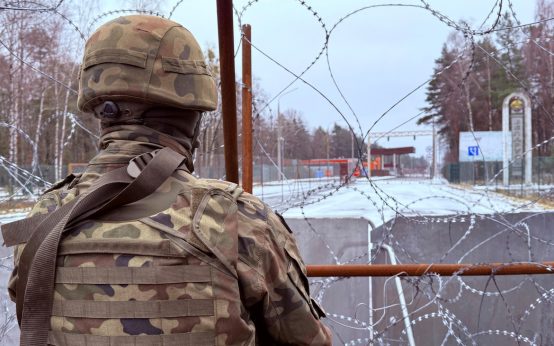 Poland Prepares for Potential Conflict Amid NATO Concerns
  Drone Warfare Redefines Ukraine’s Frontline Conflict
 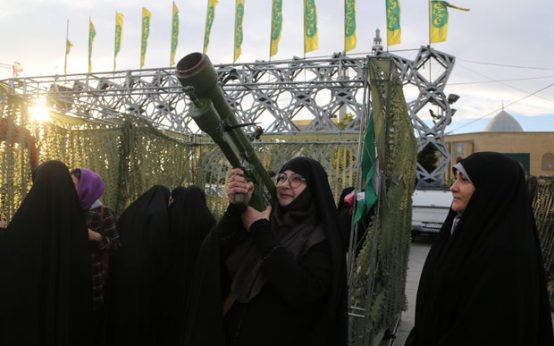 Key Developments in the Iran Conflict Affecting Global Oil Markets