
While California’s primary election results remain unresolved for several significant races, the outcome continues to capture attention. This includes both the gubernatorial race and the Los Angeles mayoral race.
As of Thursday morning, Republican Steve Hilton is ahead in the gubernatorial race with about 28% of the vote. Trailing him are the leading Democratic contenders, with former Biden official Xavier Becerra capturing 25% and billionaire Tom Steyer securing 20%.
Similarly, the Los Angeles mayoral race is also too close to determine. Incumbent Mayor Karen Bass will advance to the November election. Her challenger, Spencer Pratt, maintained the second spot early Wednesday, but a significant portion of the vote remains uncounted.
California state law mandates that only the two top-performing candidates from the primary election, irrespective of political affiliation, proceed to the November general election.
Hilton and Becerra lead with ballots still being counted in the race for California governor.
The candidates utilized the weekend for last-minute voter appeals before Los Angeles’ mayoral primary election. Pratt received 30% of the vote by Wednesday morning, with competitor Nithya Raman following at 22%.
Pratt commented on his campaign, stating, “This idea that I don’t represent Democrats and Republicans and independents — anyone that’s just a Los Angeles citizen that wants basic quality of life — I’ll be able to show that in five months.” He added, “I’m an Angeleno who said, ‘Enough is enough,’ and I had to step up. I’m going to show everybody that I’m their mayor.”
RNC criticizes California’s prolonged mail-in ballot counting amid national litigation, calling it ‘absurd’.
California has drawn frequent criticism for its slow election process, with significant races remaining unresolved for several days post the June 2 elections.
Nate Silver, a leading political data analyst, shared his thoughts on the delays, noting, “The fact that California elections often can’t be resolved for weeks is kind of insane and not common in other electoral systems around the world.” Silver indicated such delays are signals of inefficiency.
The prolonged counting in California stems from the state’s heavy reliance on mail voting and its comprehensive review procedures. Under current regulations, each registered voter receives a mail-in ballot. Votes arriving at election offices up to one week after election day are valid if postmarked by election day.
In closely contested primaries, where outcomes hinge on a small number of votes, this system can lead to a prolonged wait for final results.
Rep. Kevin Kiley expressed his views, “Every other state manages to count its votes in a somewhat timely manner,” adding that California’s struggles highlight broader systemic challenges. Kiley perceives these delays as a reflection of wider issues within the state.
 Criticism Arises Over Michigan Senate Nominee’s Association with Streamer
  Homeland Security Takes Action Against Voter Fraud
  Iowa Senate Election: Turek Leads in Polls Amid Economic Concerns
 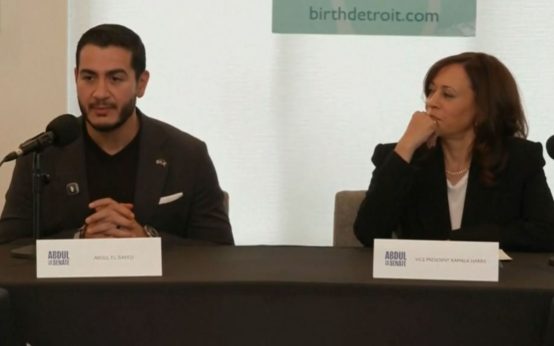 Kamala Harris Joins Abdul El-Sayed in Michigan Senate Campaign
  Public Confidence in the Supreme Court at Record Lows
  Federal Authorities Arrest California Lawmaker’s Aide for Visa Overstay