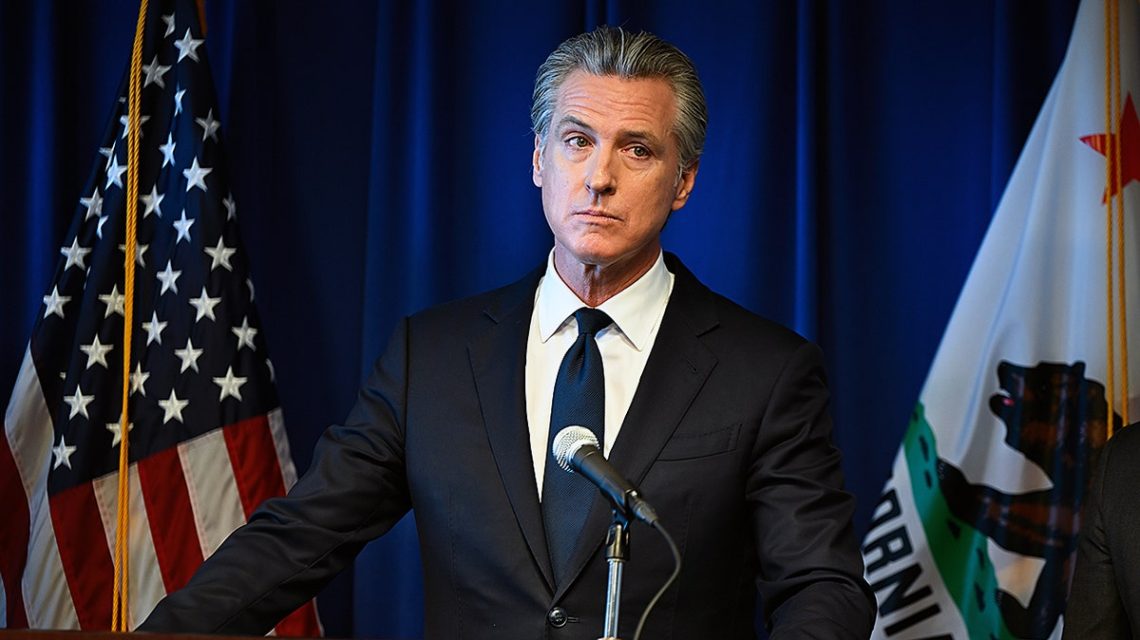
California Governor Gavin Newsom has announced plans to take legal action against the Trump administration following the Supreme Court’s decision to allow challenged provisions of President Donald Trump’s executive order on mail-in voting to be enforced. The ruling marks a significant step in the ongoing legal battle around the order, which the court decided 6-3 in favor of the administration, lifting a previous injunction that had blocked the order in 23 states.
The Supreme Court emphasized its decision focused on removing the injunction and did not resolve the order’s legality. Newsom expressed opposition to the ruling, stating, “The Supreme Court just let the Trump administration move ahead (for now) with its plan to disenfranchise voters across the country.” He declared California’s intent to sue again in hopes of blocking these measures.
Several election-related bills are currently under consideration in the California Legislature. Newsom’s office highlighted two particular bills aimed at safeguarding state elections from external interference. AB 282 proposes new felonies related to tampering with election materials before results are certified, while SB 259 seeks to impose criminal penalties for obstructing the delivery or return of mail-in ballots, including up to four years of imprisonment in specific circumstances.
The governor’s office referred to these legislative efforts as part of an “Election Protection” package, which complements earlier measures signed by Newsom earlier this year. After the court’s decision, the U.S. Postal Service and Department of Justice announced intentions to implement revised mail-in ballot restrictions.
Trump’s executive order mandates federal agencies to create citizenship-based lists of eligible voters and stipulates that the U.S. Postal Service deliver mail-in ballots only to individuals appearing on those lists. The Supreme Court’s explanation clarified that the challenged provision tasked the Department of Homeland Security with creating these state citizenship lists, placing responsibilities on federal agencies rather than states directly.
In its ruling, the court stated, “It directs the Secretary of Homeland Security to take appropriate action to create and distribute State Citizenship Lists. This provision is an internal directive from the President to a subordinate. It imposes no obligations on the States, so they ‘suffer no concrete harm from’ it, and without concrete harm, there is no standing.”
Justices Sonia Sotomayor, Elena Kagan, and Ketanji Brown Jackson dissented from the decision. A response from Governor Newsom’s representatives to Fox News Digital’s inquiries remains pending.
 A Mother’s Tragic Journey Under Abortion Ban
  U.S. Strategic Goals Remain Unmet Amid Prolonged Conflict
  The Impact of Arts and Closure on Democracy
 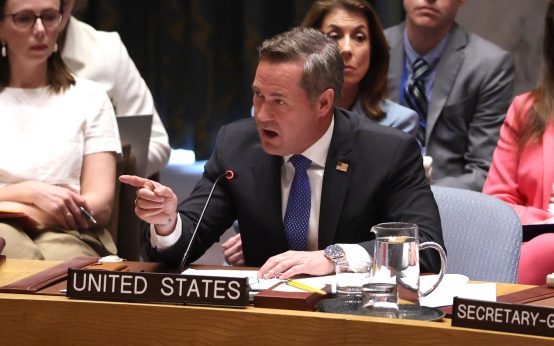 U.S. Ambassador Comments on Iran War Duration Amid Political Concerns
 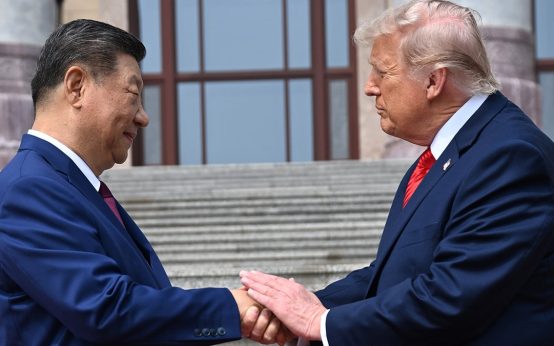 US-China Relations Under Scrutiny: Expert Warns of Escalating Tensions
  No Timeline for End of Iran Conflict