
Advocates for racial reparations achieved a legislative milestone in California as Governor Gavin Newsom signed Assembly Bill 2599, known as the Truth in Disclosure Act, into law. Corporate transparency is seen as a starting point, but proponents emphasize that direct cash compensation remains crucial. Kristin Nimmers, policy and campaign manager for the California Black Power Network (CBPN) and the Alliance for Reparations, Reconciliation, and Truth, highlights the need for more extensive financial reparations.
“We focus on a harm-based approach, so those harmed should receive repair,” Nimmers explained. “Compensation for slavery, unpaid labor, and the unfulfilled promise of ’40 acres and a mule’ should go to descendants of enslaved individuals, as these are the harms being addressed.”
Reparations advocates argue against labeling cash compensation a ‘handout’ and point to historical government remedies.
A California legislator is working to ensure reparations payments to Black residents remain untaxed if implemented. Despite the passage of AB 2599, racial inequities persisted long after slavery ended, Nimmers noted. “Black Americans were denied wages, property, capital access, and equal education for centuries,” she added. “A single check won’t entirely repair our communities.”
AB 2599 mandates qualifying corporations in California with over $100 million in gross revenue to disclose historical financial ties to chattel slavery. Legislators and advocacy groups aim to use the bill’s momentum to transform broader recommendations from the California Reparations Task Force into law.
During the multiyear tenure of the California Task Force to Study and Develop Reparation Proposals for African Americans, established under AB 3121, CBPN engaged the community across California through listening sessions. These sessions gathered public testimony that informed the task force’s landmark 1,100-page report released in 2023.
California county approves reparations plan amid stalled efforts in neighboring school districts.
The path to direct cash payouts remains challenging. While Governor Newsom signed AB 2599, he has taken a cautious stance on direct financial restitution, opposing costly payout proposals and vetoing related financial measures.
Progressive coalitions also face internal ideological divisions. Organizations like the U.S. Freedmen Project argue against broader eligibility frameworks. The group asserts that reparations should exclude recent immigrants and Black Americans without direct lineage to enslaved individuals in the U.S., claiming that broader social platforms misuse the legacy of slavery.
Nimmers disputes lineage-only criteria, highlighting systemic discrimination in the 20th century affecting many Black residents. “If you are a Black person — even a 1950s immigrant experiencing segregation before the Civil Rights Act — you faced segregated schools and redlining,” she said. “Such individuals should be included in repair efforts based on harm, not just lineage.”
California’s new law requires major companies to reveal slavery-era ties.
Reparations are framed as structural change efforts tackling “racial wealth gaps,” policing, incarceration, “environmental racism,” and “underfunded schools.” Though state-level proposals face delays, local initiatives progress. Evanston, Illinois, approved $25,000 housing grants to Black residents, addressing historical housing discrimination as a significant reparations case.
California advocates pursue comprehensive packages that integrate financial compensation with systemic policy reform. Nimmers stresses, “Reparations acknowledge, address, and repair harm. It’s about compensating unpaid labor and historical wrongs.”
Joshua Q. Nelson is a Fox News Digital reporter, specializing in cultural trends, education, and public policy. He extensively covers reparations developments, U.S. education, and immigration issues. Join him on Instagram, Twitter, and LinkedIn.
 Chevalier’s Remarks on ICE Shooting Spark Debate
  L.A. Mayoral Debate: Bass vs. Raman
 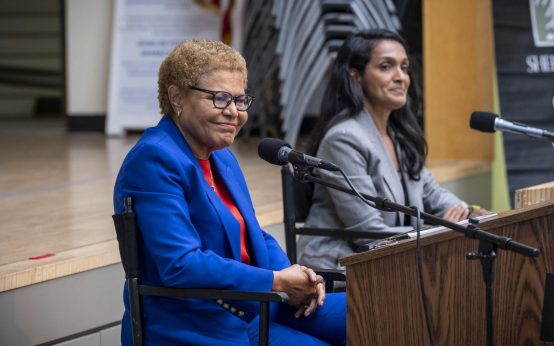 Analysis of L.A.’s Mayoral Debate
 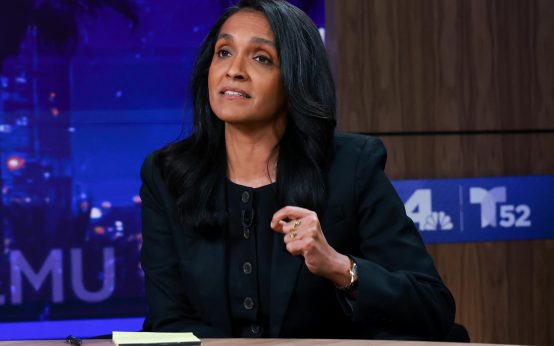 Debate Over Homelessness Initiatives: Raman Challenges Bass’s Strategy
  Incumbent Sen. Jon Ossoff Faces Rep. Mike Collins in Final Georgia Senate Debate
  French AI Founder Warns Against Voting Democrat