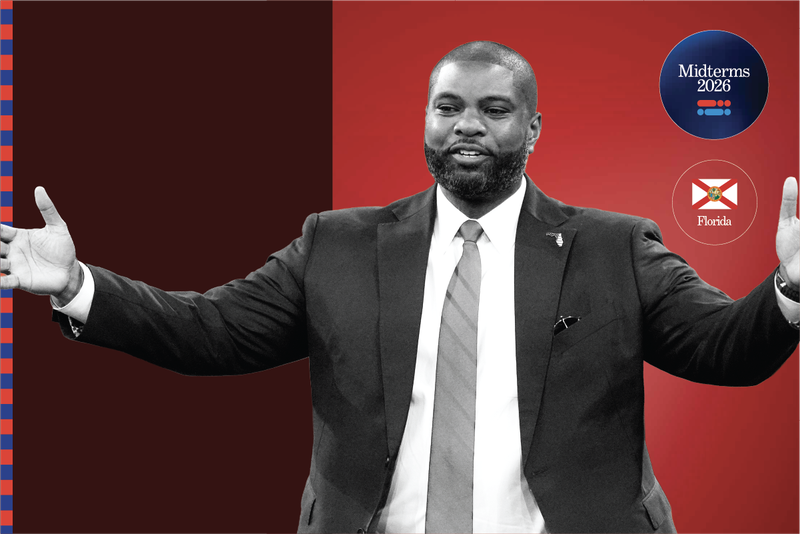
Republican Byron Donalds secured a victory in the Florida gubernatorial race against Democrat David Jolly. The Associated Press declared Donalds the winner at 9:09 p.m. ET as he captured 50.1 percent of the vote compared to Jolly’s 48.7 percent. This race was closely followed as it marked a significant political contest. Governor Ron DeSantis could not seek reelection due to term limits, bringing national attention to the race. Former President Donald Trump’s support for Donalds amplified its importance. On the other hand, Jolly—a former Republican congressman who changed his affiliation to independent and then Democrat—posed a unique challenge for the GOP.
In recent history, Florida had been leaning Republican, with Trump winning the state by 13.1 points in 2024. Both candidates sought to make history. Jolly aimed to become Florida’s first Democratic governor since Lawton Chiles in 1994, while Donalds was set on becoming the state’s first Black governor. Most polls during the campaign favored Donalds. In the final days, he maintained a lead of 4 to 6 percentage points over Jolly. Polls conducted by the New York Times and Siena University between October 19 and 25 showed Donalds leading 48 percent to 44 percent among 813 likely voters, with a margin of error of 3.9 percent.
On Election Day morning, the polling aggregator VoteHub gave Donalds a 4.4-point advantage, consistent with his lead throughout the race. The platform placed his odds of winning at 68 percent, while Polymarket users estimated his chances at 66 percent.
Key issues in the race included “affordability,” specifically related to AI data centers, property insurance, taxes, and Trump’s policies. Florida’s high insurance costs remained a significant concern for voters, and the expansion of data centers became a major political topic. Jolly suggested a one-year moratorium on new data centers to evaluate their environmental and energy impacts. Conversely, Donalds supported ongoing development but insisted on decision-making at the local level, with developers covering utility costs.
Despite Florida’s recent political shift to the right, supported by DeSantis’s and Trump’s past victories, Donalds faced challenges related to Trump’s administration, particularly concerning economic issues and the cost of living. Jolly often labeled him “Donald Trump’s guy,” which complicated Donalds’ campaign when frustrations with Trump’s policies grew. Donalds removed Trump’s images from his campaign website in September, a move some saw as an attempt to distance from Trump. However, Trump and Donalds campaigned together in late October.
Donalds’ victory was accompanied by Republican Ashley Moody’s reelection to the U.S. Senate and unexpected Democratic wins in Florida congressional races amid new redistricting efforts.
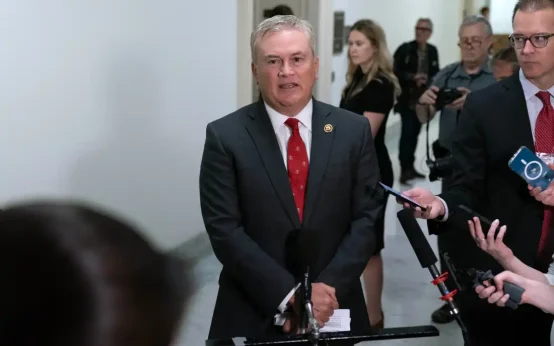 House Oversight Committee Releases Report on Jeffrey Epstein Investigation
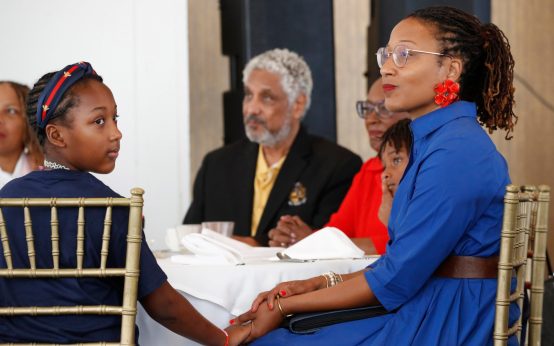 Close Mississippi Senate Race Between Scott Colom and Cindy Hyde-Smith
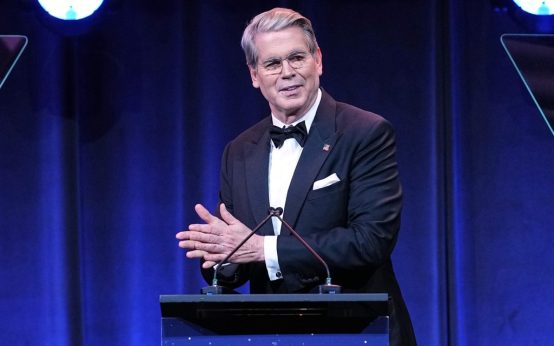 U.S. Treasury Secretary Moves to Military Base Amid Iranian Threats
 Trump’s Search for a New Press Secretary Raises Speculation
 D.C. Council Moves to Tackle Rodent Problem with New Legislation
 DHS Secretary Mullin Stands Firm on Immigration Policy