
Britain is set to welcome a new prime minister, Andy Burnham, as a series of essential steps brings him into office. This transition process outlines how he will officially take on the role.
Leadership Change in the UK
Last month, Prime Minister Keir Starmer faced internal party challenges, leading to his resignation. Andy Burnham, formerly the mayor of Manchester, won a special vote for a parliamentary seat, making him eligible to succeed Starmer.
In the UK’s parliamentary system, voters choose a party, not an individual, to lead the government. The party in power, currently Labour, decides who becomes the prime minister. Burnham has secured overwhelming support from Labour lawmakers, with nearly 95% backing him, positioning him as the uncontested leader.
The Path to Prime Minister
Burnham is expected to take the prime ministerial role officially on Monday. Here’s a look at the steps involved:
Step 1: Labour Leader Announcement
On Friday, the Labour Party will hold a special conference to announce its leadership race results. Here, Burnham will be officially named the head of the Labour Party.
His leadership bid has been uncontested, as no other lawmakers attempted to run against his broad support within the party. After Friday’s announcement, Burnham will lead the Labour Party.
This orderly and structured transition highlights the workings of the UK’s political system, ensuring that when leadership changes occur, they follow a clear process.
 A Mother’s Tragic Journey Under Abortion Ban
  U.S. Strategic Goals Remain Unmet Amid Prolonged Conflict
  The Impact of Arts and Closure on Democracy
 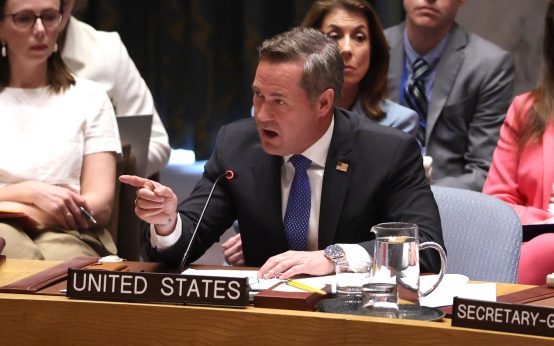 U.S. Ambassador Comments on Iran War Duration Amid Political Concerns
  US-China Relations Under Scrutiny: Expert Warns of Escalating Tensions
  No Timeline for End of Iran Conflict