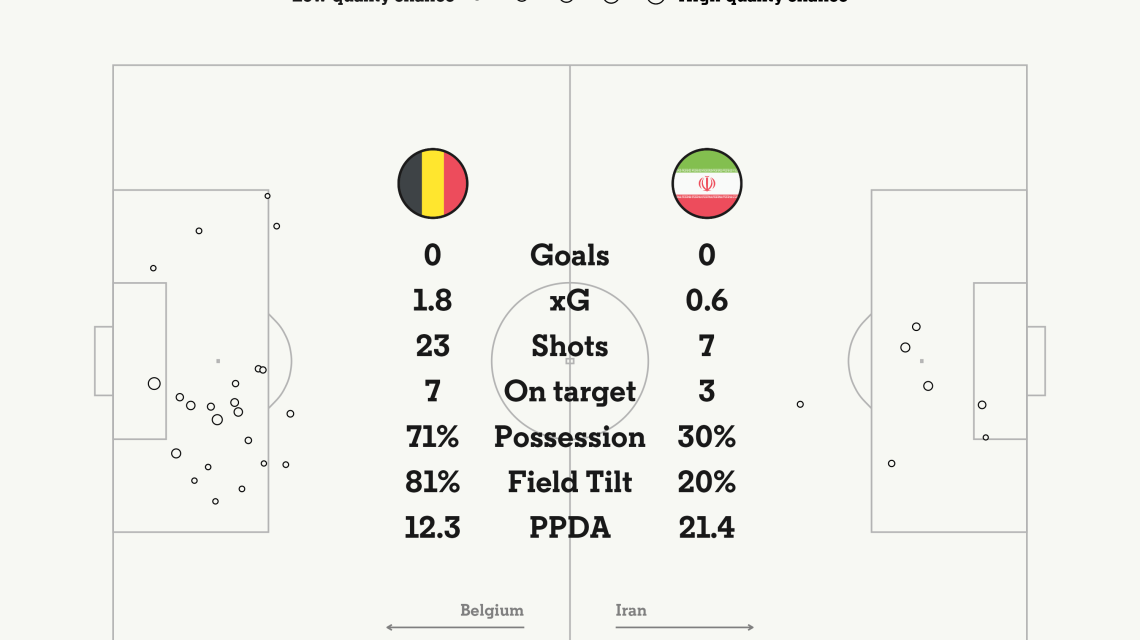
Belgium Faces a Tough Match Against Iran
Belgium encountered a challenging match at SoFi Stadium against Iran, resulting in a 0-0 draw on Sunday. The encounter was marked by both a red card and an extraordinary save, highlighting the intensity of the 2026 World Cup game. Belgium, initially favored as the most talented team in Group G, struggled to penetrate Iran’s resilient defense. The situation worsened as Belgium played the final 25 minutes with ten men after Nathan Ngoy received a red card for denying a clear scoring opportunity.
The festive atmosphere in Los Angeles was unlike Iran’s World Cup opener, with Iranian American fans applauding their team for securing an unexpected point. The draw has left a significant gap at the top of Group G, creating opportunities for Egypt or New Zealand to claim position with a win later on. To win the group, Belgium now needs to defeat New Zealand on Friday and rely on external factors, contrary to earlier expectations.
Implications for Belgium’s Progress
According to projections from The Athletic, Belgium still has a 95 percent chance of advancing, though only a 45 percent chance of topping the group. Meanwhile, Iran sees a 56 percent chance of entering the knockout stage.
The performance raises concerns for the United States Men’s National Team (USMNT), as Belgium’s flawed tactics make its path to future matches seem less daunting. The US, having now succeeded in Group D, will face third-place teams in the round of 32 and likely encounter either the Group G winner or another third-place team in the round of 16. Belgium’s performance has thus far been underwhelming, necessitating a win over New Zealand and other factors to secure the group’s top spot.
Belgium’s Offensive Woes and Missing Players
Belgium’s deficiencies were evident as they struggled offensively. The midfield impressed as world-class, but their attacking lacked effectiveness. Their inability to replace Jérémy Doku was noticeable, as his absence due to illness contributed to Belgium’s inert performance. Doku’s past performances, particularly against the US, demonstrate his significant impact through his agility and ability to disrupt defenses.
Belgium’s offense felt sluggish, with players indecisive and disjointed. Romelu Lukaku congested the center, and multiple attackers squandered scoring chances. Reintroducing Doku to full fitness remains crucial for Belgium.
Iran Shows Determination Amid Challenges
Amidst geopolitical tensions with one of the host nations, the US, Iran maintained resilience during the World Cup. Their disrupted preparations, visa issues, and staff challenges did not deter their focus. Despite facing top-ranked teams, they showcased a unified spirit stemming from these adversities.
Previous matches, like the draw against New Zealand, emphasized Iran’s mental fortitude and cohesion. Their formation stifled Belgium’s advances, forcing the opponent to adapt for possession despite Iran offering some notable scoring opportunities.
Their perseverance stands, and their spirit deserves admiration as they progress through the tournament.
On Lukaku’s Comeback
Belgium’s coach Rudi Garcia took a substantial risk by deploying Romelu Lukaku as a starter. Lukaku previously demonstrated value off the bench, prompting an own goal against Egypt, however, in this match, he seemed to struggle to pick up momentum as a starting player after several minor roles in Napoli last season.
Despite his willingness to engage, Lukaku’s performance was hindered by Iran’s compact defense. His efforts to score were diminished, leading ultimately to his substitution in the 73rd minute.
Belgium’s Midfield Conundrum
Belgium’s midfield faced noticeable difficulties dismantling Iran’s organization. Despite stars like Kevin De Bruyne and Youri Tielemans equipped for penetration, their strategies often lagged against Iran’s defense. Belgium’s lineup aimed to break Iran’s low defensive block, though the execution fell short.
Frustration grew as Belgium chased victory without creating substantial disruptions. Tielemans often switched roles to alleviate the issue, yet Belgium’s possession did not translate into success. As the match progressed, Tielemans even shifted to defense to aid Belgium’s dwindling structure.
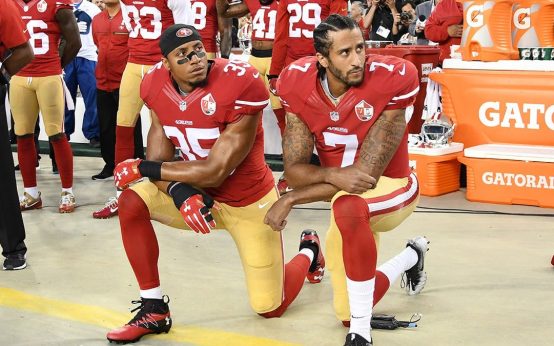 Colin Kaepernick’s Press Tour Raises Unasked Questions
 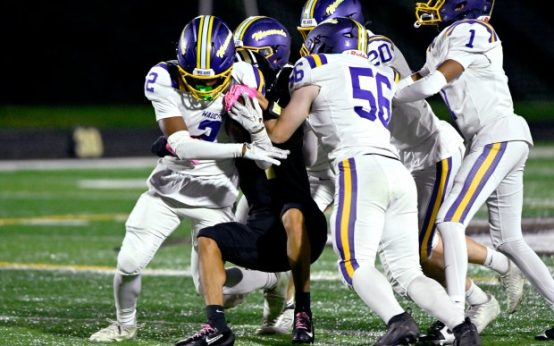 Jarren Cooley’s Journey from Sprinter to Football Starter
 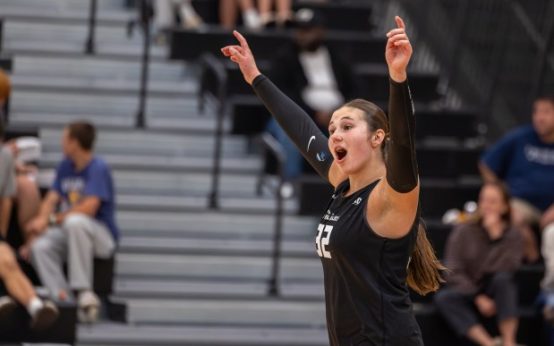 Kailey Skurka Nears Milestone in Volleyball Career
  Google Fined for Breaching EU Privacy Rules
  South China Sea Tensions Rise after Collision between Chinese and Philippine Ships
  North Korea’s Hypersonic Weapon Test Amid Global Tensions