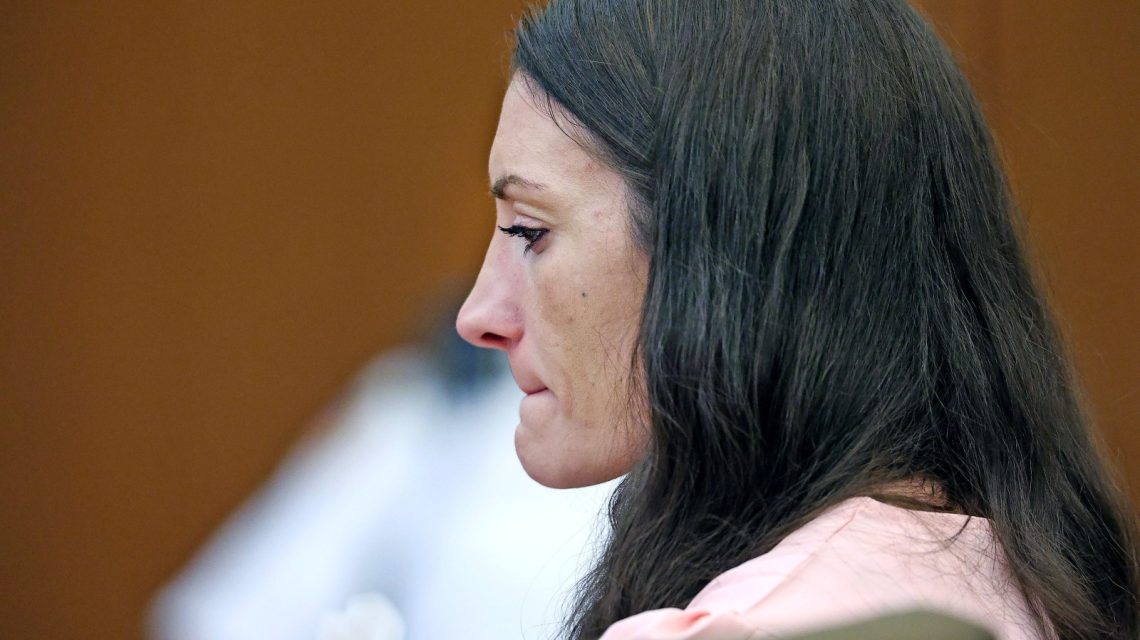
The trial of Lindsay Clancy intensified on Tuesday as the defense introduced new variables, while evidence emerged addressing her declining mental health. Central to the trial are opposing claims regarding Clancy’s mental state and understanding before she killed her three children.
Nurse Practitioner Highlights Bipolar Symptoms
Psychiatric nurse practitioner Rebecca Jollotta provided crucial testimony suggesting Lindsay Clancy displayed signs of bipolar disorder and potential mixed manic state. Through symptoms like pressured speech, racing thoughts, insomnia, and emotional numbness, Jollotta recommended increased medication and partial hospitalization at Women & Infants Hospital in Rhode Island.
This supports the defense’s narrative of untreated psychiatric issues before the incident. Jollotta had discussed bipolar disorder possibilities with Clancy and her husband, which Patrick Clancy dismissed.
Disagreement Over Postpartum Psychosis Diagnosis
Prosecutors, on cross-examination, found support in Jollotta’s statement that she didn’t observe signs of postpartum psychosis in Clancy. During appointments, Clancy’s thinking was linear, with no reported hallucinations or voices, although Jollotta acknowledged not all psychosis patients hear voices. This testimony highlights a crucial case divide, with defense potentially arguing later for a postpartum psychosis defense.
Significance of ‘Good Moms Have Scary Thoughts’
The book Good Moms Have Scary Thoughts by Karen Kleiman found in Clancy’s home was highlighted by the defense as indicative of Clancy’s struggle. The book discusses common intrusive thoughts among new mothers, which the defense argues reflects Clancy’s severe mental health issues. Prosecutors see it as evidence of her understanding and expression of emotions, contradicting psychosis claims.
Emotional MyChart Messages
Jurors reviewed Clancy’s MyChart communications with Jollotta, showcasing her distress over insomnia, medication effects, and intrusive thoughts. Clancy expressed dependency concerns over Ativan and described emotional numbness, raising questions about her medication regimen. Prosecutors argue these messages show Clancy actively engaged with her treatment, undermining the psychosis defense by highlighting her awareness of actions and decisions.
Controversy Over TikTok Therapist Witness
In a dramatic twist, the defense sought testimony from former McLean Hospital therapist Emily Thorndike, claiming McLean’s inadequate conditions during Clancy’s stay—claims based on Thorndike’s TikTok video criticising the hospital. Prosecutors objected, citing bias. However, Judge Sullivan is considering limited questioning.
Ongoing Testimony
Jollotta’s testimony included insights into Clancy’s treatment concerns, medication focus, and communication with medical providers. Her testimony emphasized Clancy’s autonomy in medication decisions and interactions with healthcare professionals even amidst medication changes and adverse effects claims.
The trial moves forward with psychiatric expert testimony on both sides, with defense focusing on overmedication and mental illness claims, and prosecutors emphasizing Clancy’s awareness and decision-making capability before the killings.
 Supreme Court to Decide on Veterans’ Right to Challenge Benefits Laws
  California Realtor Arrested for Alleged Unregistered Activities for China
 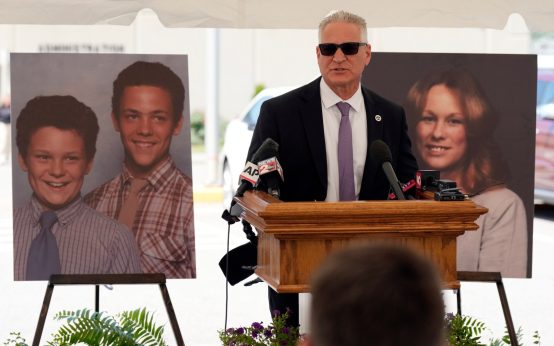 Failed Execution in Tennessee Sparks Controversy
 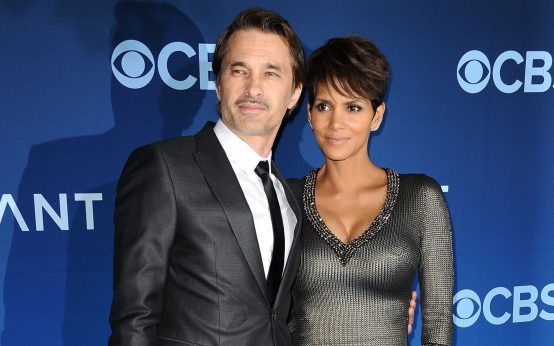 Legal Battles Between Halle Berry and Olivier Martinez
  Failed Execution in Tennessee Sparks Outrage
  Federal Judge Rules Police Use of Flock Cameras Unconstitutional