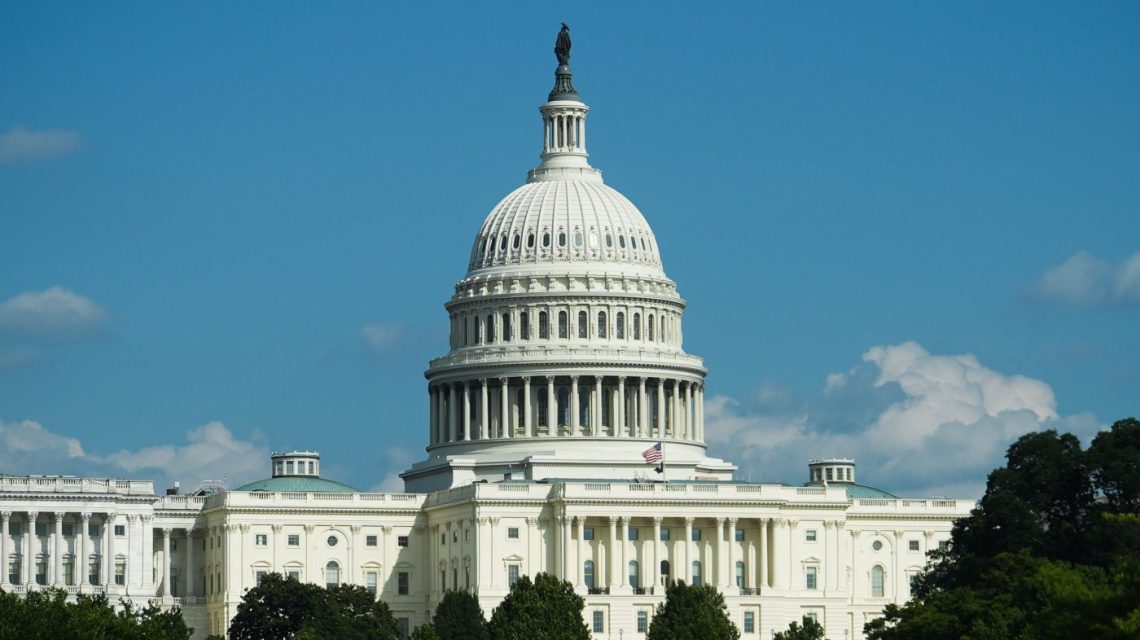
The 2026 midterm elections have concluded, leaving the nation’s televisions free of campaign ads. Yet, the record-breaking $11.9 billion spent on these ads remains hard to forget. This figure dwarfed the $2.9 billion allocated by the Environmental Protection Agency in May for lead pipe replacement, showcasing the enormous financial emphasis placed on political campaigning.
As politicians take office, they are tasked with addressing the cost of living, a central theme of the campaigns. Washington, however, appears to have a lesson unlearned: a budget is a promise for future financial integrity. With Congress returning on November 9 for a lame-duck session, government funding is set to expire on December 11. The term ‘lame duck’ originates from 1761 London, when debt-defaulters were said to exit Exchange Alley like the namesake bird. Similarly, the U.S. government has run a deficit for the past 25 fiscal years, culminating in a $1.99 trillion deficit at the close of fiscal 2026.
Interest on this mounting debt now surpasses defense expenditure and is only less than Social Security and Medicare costs, constituting 19% of federal revenue. Each year, principal payments are effectively managed through further borrowing, contributing to a national debt exceeding $40 trillion. This process mirrors the act of paying interest without ever addressing the core debt amount, an approach mistakenly labeled as governance.
Both political parties, regardless of affiliation, have shown a propensity for increased spending. A viable solution involves economic restraint combined with growth. Encouragingly, growth is beginning to manifest—a preliminary report from the Bureau of Economic Analysis indicated foreign investments in U.S. businesses reached $232.2 billion in 2025, up 49.5% from 2024. Manufacturing absorbed $121.8 billion, with Japan leading investments at $50.5 billion. While economists debate the attribution of this economic surge, the tangible result is an expanded tax base through enhanced manufacturing prospects.
Another economic factor troubling voters is inflation, attributed in part to policies like the $1.9 trillion American Rescue Plan launched in March 2021. As estimated by the San Francisco Federal Reserve, this plan increased inflation by around 0.3 percentage points annually through 2022, though other economists argue the impact was between 2 to 3 points. Even the President’s economic advisors acknowledged its contribution.
In states like California, policies such as a 12-cent gas tax initiated by Governor Jerry Brown in 2017 have further strained citizens. The state’s unique regulations, such as the low-carbon fuel standard, incur additional costs—the state’s gas prices remain significantly above the national average. Additionally, research indicates California’s $20 fast-food wage hike has elevated restaurant prices by approximately 3.3% to 3.6% compared to other metro areas.
Immigration policies have also exerted pressures on state and local budgets, with the Congressional Budget Office reporting a $9.2 billion net cost in 2023 due to increased spending on schools, shelters, and border security premised against tax revenue.
Economist Thomas Sowell famously opined that all decisions result in trade-offs, and every budget cycle reflects Congress’s forgetfulness of this reality. Government spending is fundamentally an expenditure of taxpayer dollars, whether collected, borrowed, or printed. The Declaration of Independence asserts that governmental powers are derived from the consent of the governed—a consent that did not expressly sanction relentless interest payments.
Skeptics argue spending cuts disadvantage vulnerable groups. True, but when a household allocates 19% of its earnings to interest, financial planning becomes imperative. Interest payments provide no tangible benefits, yet they overshadow programs championed by politicians.
The Congressional Budget Office foresees net interest payments escalating to nearly $2.5 trillion annually by 2036. To address this growing fiscal concern, Congress is implored to implement critical measures:
- Approve full-year appropriations at or below current year levels, avoiding any holiday omnibus bills packed with excess expenditures.
- Should Majority Leader John Thune propose a debt limit increase, it should be coupled with enforceable spending caps.
- Mandate identifying compensatory cuts for any newly proposed programs before voting.
Households and businesses abide by these principles, and there is an expectation for Congress to adopt them. While addressing these challenges is politically daunting, now is the opportune moment with lame ducks capable of casting votes.
Politicians located $11.9 billion for campaigning; thus, they possess the capacity to choose fiscal prudence. Future generations are poised to inherit the financial aftermath, watching how current leaders manage this critical juncture.
Jay Rogers is a seasoned financial expert, specializing in private equity, credit, hedge funds, and wealth management, with over 30 years of professional experience.
© 2026 Nexstar Media Inc. All rights reserved. Neither republication nor broadcast is authorized without prior consent.
 Mississippi State Auditor Shad White Announces Gubernatorial Bid
 Trump Dismisses Third Impeachment Prospects
 Custody Dispute Involving Rep. Max Miller Delayed
 Attorney General Addresses Post-Midterm Democratic Threats
 Senator Elizabeth Warren and the Future of Crypto Regulation
 Bipartisan Opportunities in Foreign Policy