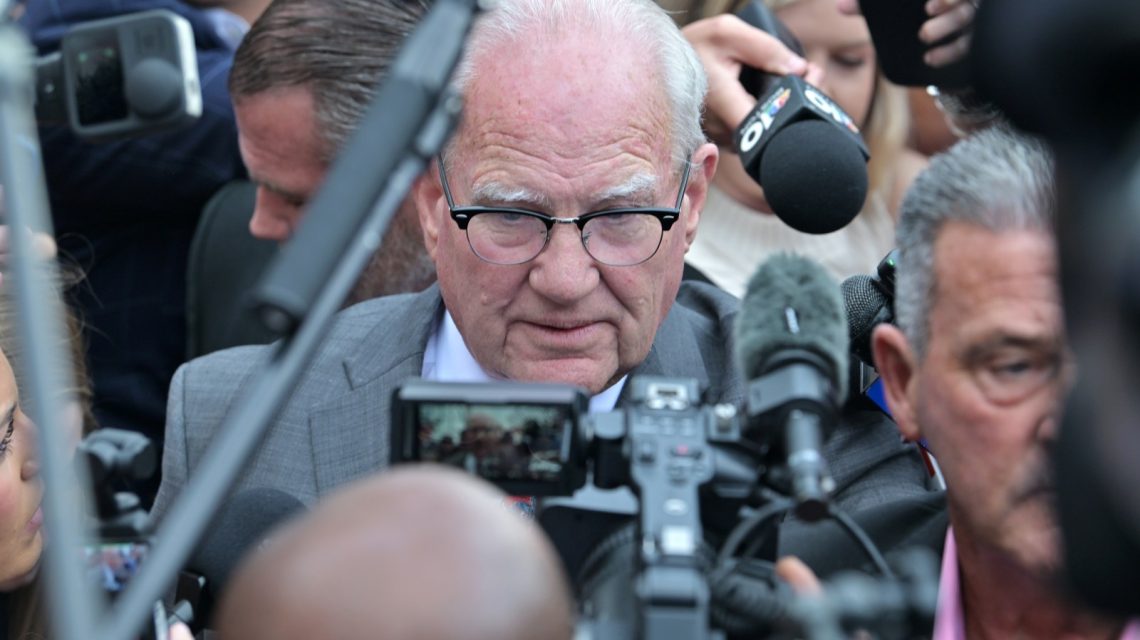
Defense Attorney Appeals for Pardon
Lindsay Clancy’s attorney, Kevin Reddington, has publicly requested a pardon for his client from former President Donald Trump following Clancy’s murder trial ending in a mistrial. Reddington expressed hope that the President would consider Clancy’s circumstances during an interview on ABC’s Good Morning America.
“Mr. President, I would hope that you would consider this young lady, the type of person she is, what she’s been through, and consider a pardon,” Reddington stated.
The case relates to Clancy’s charges in Massachusetts for the deaths of her children: Cora, 5, Dawson, 3, and Callan, 8 months old, in January 2023 at the family’s Duxbury home. The defense claimed Clancy suffered from postpartum psychosis when the killings happened.
Pardon Limitations
Despite the request, Trump cannot pardon Clancy as the charges are state-based, and presidential pardon power is restricted to federal offenses. State-level clemency is governed by the Massachusetts system and involves the governor and the Governor’s Council.
Impact of Public Appeal
Reddington’s appeal might increase public focus, possibly influencing Massachusetts prosecutors to explore alternatives to another trial. This follows a jury’s deadlock, failing to produce a unanimous verdict.
Who Is Kevin Reddington?
Reddington, a long-term Massachusetts defense attorney, centered Clancy’s defense on postpartum psychosis. He argued Clancy experienced hallucinations, claiming her actions weren’t premeditated.
Prosecutors provided alternate narratives, asserting Clancy comprehended her actions and planned the killings. After noting his defense’s strength post-trial, Reddington criticized a juror who blocked the unanimous decision, defending the juror’s law-following stance despite disagreeing.
Prospects for Clancy’s Pardon
While theoretically possible, Clancy’s pardon must originate from Massachusetts state authority. Current Governor Maura Healey can issue state pardons, following advice and consent procedures and a review from the Advisory Board of Pardons.
Clancy remains unconvicted as jury disagreements concluded the first trial with a mistrial. Now, Massachusetts must decide on revisiting trial proceedings or finding alternative resolutions.
Public Discussion
Constitutional attorney Jonathan Turley critiques Reddington’s pardon request knowing presidential limitations on state charges. He evaluates Reddington’s trial performance against prosecutors, citing a flawed closing argument and juror criticism.
Speculating on retrial prospects, Turley references public case familiarity as a hurdle in forming an impartial jury if a retrial proceeds. Thorough jury selection processes would be essential.
Pardon Eligibility Without Conviction
Convictions aren’t prerequisites for pardons. Presidential precedents exist for issuing pardons pre-conviction. One notable case is President Gerald Ford’s preemptive pardon of Richard Nixon.
Trump’s Comments on the Case
Following the mistrial, Trump shared his engagement with the case during his presidency citing extensive media coverage. He expressed remorse over the tragedy, predicting a retrial outcome with incarceration or institutionalization.
Reasons Behind the Mistrial
On September 4, a mistrial was declared as the jury couldn’t reach a unanimous finding after 38 hours of deliberation. The debate focused on Clancy’s criminal accountability, shaped by her postpartum psychosis defense and prosecutors’ claims. Requests to dismiss a juror amid legal application disputes were declined.
Next steps for the case remain unclear.
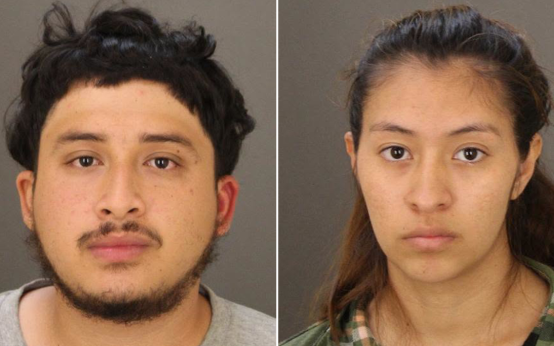 Maryland Parents Arrested After Infant’s Death with Severe Injuries
 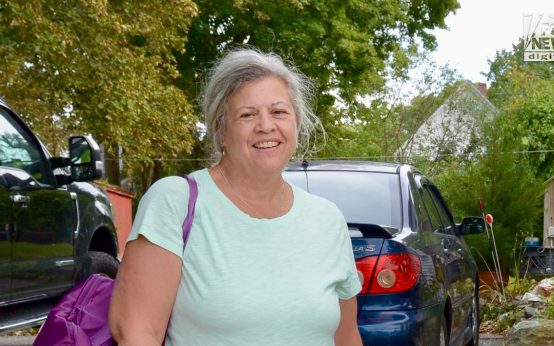 Jury Deliberations in Lindsay Clancy’s Murder Trial Stir Controversy
 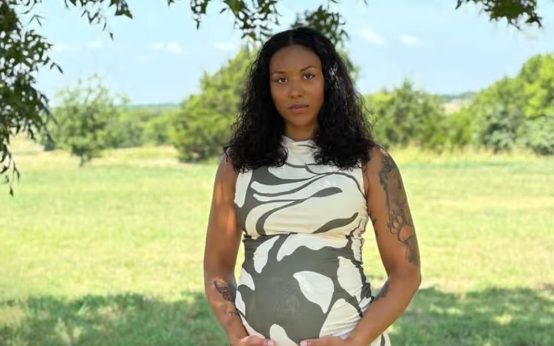 Surrogate Resists Abortion, Appeals to Supreme Court in Legal Dispute
  Inmates File Lawsuit Over Fires and Smoke in D.C. Jail
  Former CIA Chief Subpoenaed in Justice Department Investigation
  Ex-CIA Director Brennan Subpoenaed in Grand Conspiracy Probe