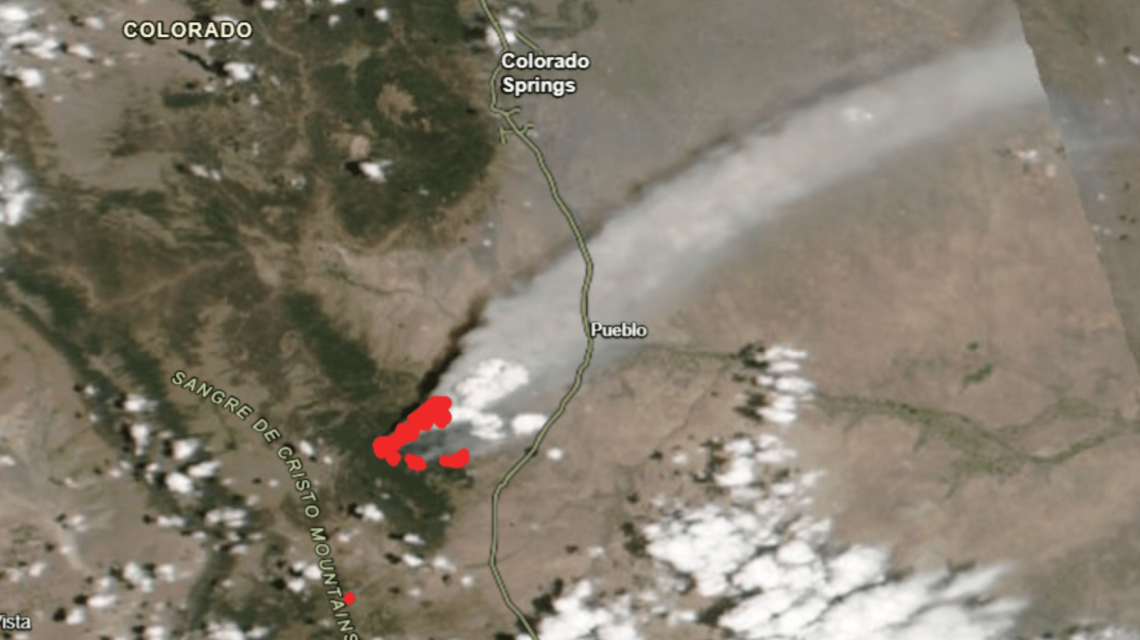
The Aspen Acres Fire in southern Colorado has grown significantly, surpassing 89,000 acres. This makes it the seventh-largest wildfire in Colorado’s history. Firefighters are actively working against shifting weather and expanded evacuation zones.
Initially reported on June 29 in Pueblo and Custer counties, the fire has now burned through 89,055 acres. As of Sunday evening, it was 14% contained. Updates from Aspen Acres Fire 2026 and the Alaska Complex Incident Management Team, the team managing the response, confirm these figures.
Causes and Historical Context
Colorado fire officials attribute the wildfire to human activity, though investigations are still ongoing. Recently, the fire’s expansion placed it among Colorado’s ten largest wildfires on record, according to a CBS News report.
Since entering this list, it has surpassed several significant historic blazes, claiming the seventh spot, as noted by The Denver Post on Sunday.
New Evacuation Orders
As fire activity increased, the Fremont County Sheriff’s Office issued new mandatory evacuation orders on Sunday. These orders affect parts of Fremont County previously under pre-evacuation status, which are now under mandatory evacuation.
Evacuation orders include the towns of Williamsburg, Coal Creek, and Rockvale, among other nearby roads and rural areas. A pre-evacuation zone along Highway 67 is now under mandatory evacuation. Authorities are conducting in-person notifications for residents.
The evacuation orders add to those impacting Pueblo and Custer counties. In these areas, towns like Beulah, Rye, San Isabel, Wetmore, and Colorado City are affected. The Colorado Sun reports over 3,800 addresses are under evacuation, involving around 11,000 residents.
Destruction and Response
The wildfire ranks as one of the state’s most destructive in recent memory. Over 180 structures, including homes, have been destroyed. Damage assessments are ongoing due to fire activity and access issues.
Rapid fire expansion was driven by strong winds, dry vegetation, and low humidity. The fire’s intense activity has crossed roads, threatened communities, and prompted overnight evacuations.
According to Western Fire Chiefs, over 1,000 personnel are now working on the fire. The response includes helicopters, air tankers, bulldozers, and hand crews, all focused on containment and protecting properties.
Fire Management and Weather Concerns
On Sunday, fire managers reported that milder weather aided containment efforts. Crews have successfully built and strengthened containment lines in several fire sectors.
Yet, officials remain concerned about persistent weather challenges. Active fire behavior is expected to continue due to dry conditions across southern Colorado.
Forecasts indicate low relative humidity, dry fuels, high temperatures, and gusty winds. With minimal rain expected, officials are wary of red-flag conditions and wind gusts that may hinder containment and promote fire growth.
While firefighters have made containment progress, the combination of dry air and wind could keep the fire active in the coming days.
 Influencer Brothers Logan and Jake Paul Visit the Pentagon
  Florida Reports First Dengue Fever Death as Outbreak Expands
  Media Outlets Sue After White House Ban
  American Public Opinion on Press Freedom
  St. Laurence High School’s Transformative Journey
  Significant Events in Chicago History on September 21