
Apple has initiated a lawsuit against OpenAI, shining a light on the growing competition over physical, consumer-facing AI products. This legal action highlights how Silicon Valley is moving towards the next phase of AI development.
The lawsuit centers on allegations that OpenAI unlawfully obtained confidential information regarding Apple hardware, as reports suggest the AI firm is venturing into smartphone development. Experts predict this legal dispute is just the beginning of similar conflicts over hardware for ‘physical AI’ devices like phones, computers, and robots.
“This case emphasizes that the future AI battles will occur in factories and living rooms, not only in data centers,” noted tech analyst Paolo Pescatore.
Pescatore suggests that the AI race is evolving beyond software models and chatbots. The current focus is on control over devices, user interfaces, and direct consumer relationships. As AI integrates into physical devices, elements such as industrial design, components, manufacturing expertise, and supply-chain relationships gain importance alongside algorithms.
Apple’s lawsuit charges OpenAI and two former Apple employees with misappropriating trade secrets. While the primary dispute appears to be about trade secret violations, industry observers argue that the core issue stems from fierce competition between these tech giants.
Jeffrey Farrow, a trade secrets attorney, mentioned that the lawsuit reflects the transition of AI from software into tangible products, indicating a new phase of competition.
OpenAI is recognized for pioneering AI products, yet Apple maintains a dominant position in consumer technology due to its longstanding expertise in design and innovation.
For further details, visit TheHill.com.
Essential Policy Reads Affecting the Tech Sector
FCC Approves Space Mirror Project: The Federal Communications Commission has approved a start-up’s plan to launch a satellite, Eärendil-1, designed to reflect sunlight to darker areas on Earth.
Debate on AI Chip Exports: House lawmakers questioned Jeffrey Kessler, head of the Bureau of Industry and Security, concerning the White House’s approach to AI chip sales.
California EV Rebates: California Governor Gavin Newsom signed legislation providing $3,500 instant rebates to first-time electric vehicle buyers, countering the loss of previous tax incentives.
Safety Concerns with Flaunt Power Banks: Flaunt MagSafe Battery Chargers face recalls due to risks of burns and fires, reported by the Consumer Product Safety Commission.
Technology and Beyond
OpenAI’s First Device: Bloomberg reports OpenAI will release a portable, screenless speaker functioning as an AI assistant.
Government’s AI Approval Inquiry: Public Citizen investigates the federal approval of xAI’s Grok AI System, ensuring compliance with governance and ethical standards.
Crypto Corner
Actor Ben McKenzie urged Senate Democrats to oppose the Clarity Act, critiquing its lack of provisions preventing President Trump’s involvement in the cryptocurrency industry. A vocal crypto critic, McKenzie advocates for ethics in digital currency legislation.
Job Displacement Concerns
Hundreds of researchers, including Nobel laureates, warned of the potential job displacement AI could cause. They urged policymakers to prepare for the impending economic changes driven by AI advancements.
 Experts Warn Against Alarmism in AI Governance
  AI and the Changing Nature of Google Searches
  Data Centers Stir Controversy in Texas Amid Growth Boom
 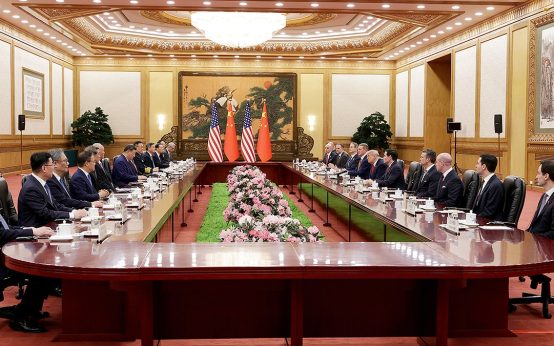 The Technology Rivalry: Trump’s Meeting with Xi and the AI Ecosystem Clash
  Ways to Protect Your Finances from Cyber Threats
  Interview with Nvidia CEO Jensen Huang: AI Outlook and Business Strategy