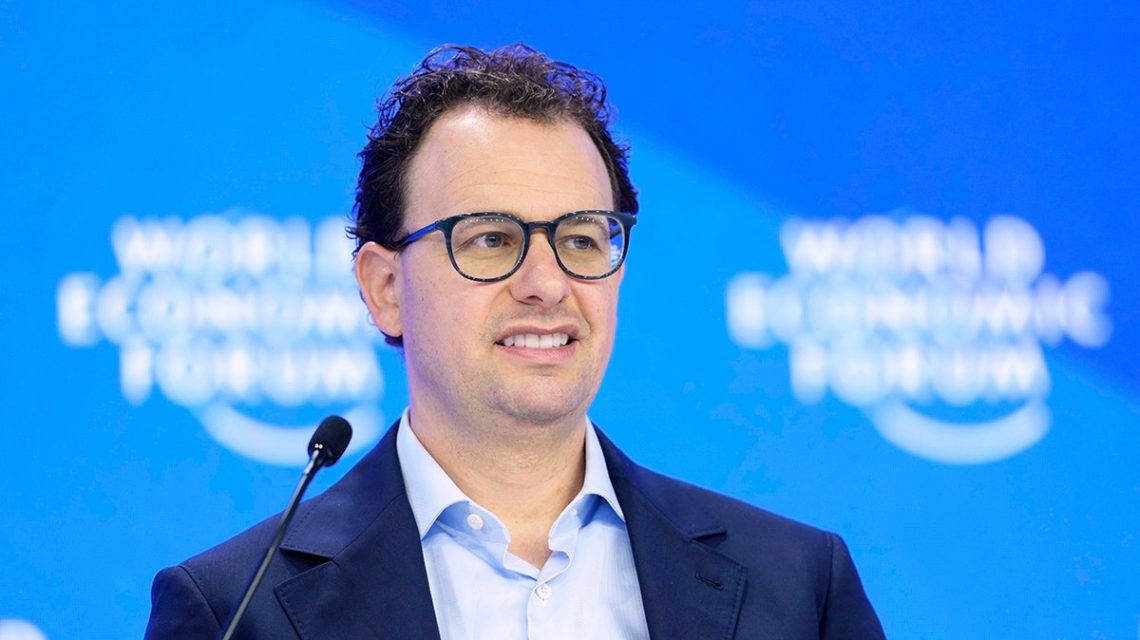
Anthropic has made headlines with its $81 billion IPO, the largest in history. This IPO has surpassed previous records set by companies like SpaceX, valuing Anthropic, the AI maker of Claude, at approximately $1.5 trillion. The public offering promises significant payouts for its founders, employees, and early investors, including Ashton Kutcher.
Financial Implications
The IPO places each of Anthropic’s seven co-founders at a net worth of about $24.5 billion. They have committed to donating 80% of their equity to philanthropic causes. This pledge ties into a controversial philosophy known as effective altruism, which sees aggressive political and philanthropic giving as a moral imperative to prevent catastrophic AI scenarios. Although Anthropic’s founders have distanced themselves from this ideology, some employees and associates continue to champion its principles.
Impact on AI Regulation
Anthropic has supported efforts to regulate AI, opposing the open-ended innovation encouraged by the White House and its Republican supporters. CEO Dario Amodei has called for a slower approach to AI development, garnering support from influential figures like Elon Musk and Sam Altman. A Fox News Digital analysis showed Anthropic employees favor Democrats in their political contributions, donating approximately $7.1 million compared to $3.7 million for Republicans in 2026.
Anthropic’s strategy involves a network that backs candidates from both political parties who advocate for stronger AI regulations. Public First, a super PAC supporting candidates favoring AI safety measures, is a vehicle for these efforts.
Broader Philanthropic Trends
Anthropic’s influence extends beyond direct political donations. Think tanks and advocacy groups in Washington, D.C., and San Francisco are receiving funds to push for robust AI safety regulations. These include nonprofits like Public First Action, which received an initial $40 million from Anthropic to support their policy work.
Nathan Leamer, a consultant on tech policy, explained that conservative groups are being offered significant funding to adapt to effective altruist perspectives despite differing philosophical views.
Possible Implications and Criticism
Critics argue that Anthropic’s push for AI safety regulations may hinder the U.S. in its technological competition with China. Questions also arise regarding whether Anthropic’s founders will fulfill their donation promises as these commitments are voluntary and revocable.
The fluctuating political and economic landscape could also affect Anthropic’s ability to maintain its stock value and fulfill philanthropic goals.
 Handling Identity Theft: Steps for Recovery
 Amazon Enlists NYC Customers Against City Council Bill
 The Controversy Surrounding Jensen Huang and Nvidia
 GAO Finds Federal Agencies Lacking in Cybersecurity Planning
 Grand Theft Auto VI Sparks Relationship Challenges
 AI and Robotics Redefining Workforce Skills