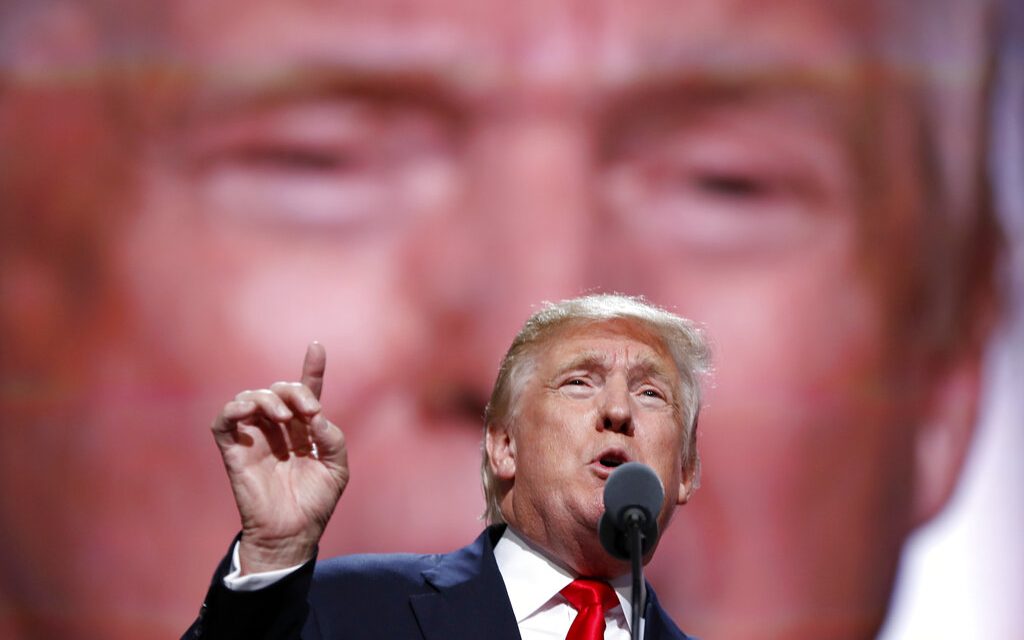
The unchecked power of the presidency, influenced by ideologues and special interests, currently guides Republican nominations, placing partisan agendas above candidates committed to the rule of law and constitutional adherence. Without necessary reforms, as feared by the Constitution’s Framers, America risks descending into populist tyranny.
Shift in Nomination Control
Since the 1970s, nomination control has shifted, contributing to current challenges. Previously, party officials prioritized candidates with electoral experience. Now, smaller electoral segments advance narrow interests. Low primary turnout grants influence to evangelicals, the Christian right, and opponents of immigration, abortion, taxes, and government regulation. These changes undermine the Constitution’s design to filter public opinion and protect elected officials from undue influences. Alexander Hamilton envisioned the Electoral College as a safeguard to ensure candidates of ability and virtue, deterring intrigue and corruption.
The Trump Era as a Case Study
Donald Trump’s pathway to the 2016 nomination illustrates this deviation. Garnering less than 40% in early contests, Trump capitalized on conservative voter majorities. Despite two-thirds of general election voters identifying as moderate or liberal, Trump’s lack of regard for legal frameworks was largely ignored within Republican primaries and the subsequent election.
Expansion of Presidential Powers
Presidential authority has expanded unilaterally, bypassing traditional constraints. Since the Cold War, presidents have independently dispatched troops, conducted assassinations, and established international agreements. Historically, political vetting curtailed extreme power abuses by preventing demagogues from rising within party networks. Trump’s ascension lacked such peer review and emerged from narrow ideological factions, challenging constitutional protections against unscrupulous leadership.
Urgent Need for Reform
Reforms must begin by reinstating the independence of unpledged Republican delegates, focusing officials on national party reputation. Before 2012, nearly a fifth of delegates could vote freely, unlike the 6.9% in 2016 who remained bound to primary decisions. While primary voters should continue selecting candidates, party leaders need tools to intervene against candidates threatening legal and constitutional stability. Although some ideologues may view reforms as democracy threats, primary voters will maintain dominant candidate selection roles. Party leaders require limited options to leverage their influence when activists push extremist candidates.
Future Considerations
Immediate reform efforts are vital to prevent future nominations of unprincipled candidates by 2028. Doing so fosters alignment with constitutional systems and Americans’ broader perspectives.
Lawrence R. Jacobs highlights these issues as the Walter F. and Joan Mondale Chair for Political Studies and director at the University of Minnesota’s Humphrey School of Public Affairs. His contributions, including 19 authored or edited works on American politics, underscore the urgency for reform.
 Steve Hilton’s California Dream: Wooing Latino Voters
 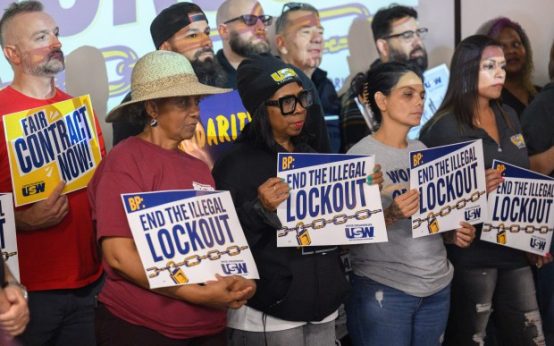 Indiana Legislators Advocate for Unemployment Benefits for Locked-Out Workers
  Trump Pressures Lawmakers to Support Permanent Daylight Saving Time
  Tucker Carlson’s Remarks on Britain and WWII Spark Backlash
  President Trump Advances New White House Ballroom Construction
  The Role of JD Vance in Engaging the Working Class