
The Democrats are projected to gain control of both chambers of Congress. In the Alaska Senate race, Democrat Mary Peltola is closely competing with Republican Senator Dan Sullivan. This race will help determine the size of the Democrats’ majority in the Senate.
As of 9:24 p.m. Alaska time, Peltola leads Sullivan by 298 votes according to unofficial results. She has 48.3% of the vote (79,017 votes) compared to his 48.1% (78,719 votes). Republican Gerald L. Heikes holds 2%, and independent Daniel J. Sullivan has 1.6%, with results from 211 of 403 precincts reported. Several major news networks project Democratic control of the Senate.
Alaska’s Significance
The final outcome in Alaska remains crucial. A Peltola win would increase the Democratic majority, possibly making her the 55th or 56th Democratic senator. If Sullivan prevails, Republicans would maintain a firmer stance looking ahead to 2028.
Professor Forrest Nabors from the University of Alaska Anchorage anticipated a split result. He suggested a Democratic Senate majority with Sullivan retaining his seat. A Peltola win would mark the first Democratic victory in Alaska for a Senate seat since Mark Begich’s defeat in 2014.
Potential Legal Repercussions
If Peltola wins, a legal battle may resurface. The Justice Department previously argued that Daniel J. Sullivan’s votes could alter the outcome. They sued, but a judge dismissed the case. The ruling is under appeal. Peltola’s current margin is 298 votes, while the votes for the second Sullivan stand at 2,693.
What Happens if Dan Sullivan Wins?
A Sullivan victory would maintain the Republican hold on the seat and limit the Democratic majority. This would also likely nullify the federal lawsuit, which focused on a Sullivan loss.
Timeline for Results
Certification of the Alaska Senate race could take days or weeks. Initial results often account for about 70% of the total vote, explained consultant Burke Croft to Alaska Public Media. Around 131 precincts count ballots manually, and overseas absentee ballots can arrive up to 15 days post-Election Day.
Shifts in vote counts as large as four percentage points are common. In the past, results from the 2008 and 2010 Senate races took about two weeks to be finalized. Registered Democrats voted early at higher rates than Republicans. This suggests that initial results may lean Republican, while subsequent counts could favor Democrats.
The state’s vote count updates are scheduled for November 10, 13, and 18. If no candidate surpasses 50%, a ranked-choice tabulation occurs on November 18. Candidates with the fewest votes are eliminated and those ballots move to the voter’s next preference. This process repeats until a majority is achieved. The significant votes going to Heikes and the second Sullivan could decide the outcome. The state aims to certify results by November 25.
Details on the Second Sullivan
Daniel J. Sullivan, the second candidate with the same name, is a retired schoolteacher from Petersburg. An initial disqualification by the state election director was overturned by state courts, allowing his name back on the ballot.
Allegations suggest Democratic links in his candidacy, which Peltola’s campaign denied. Judge Sharon Gleason dismissed the Justice Department’s suit, affirming the secrecy of ballots. In ranked-choice voting, ballots ranking him first and the senator second would still count towards the senator.
Polling Insights
According to a New York Times/Siena poll, which ran from October 23-30, Peltola held 48% with Sullivan at 46%—a margin within the error range. Russell Luke from the University of Alaska Fairbanks described the race as a toss-up.
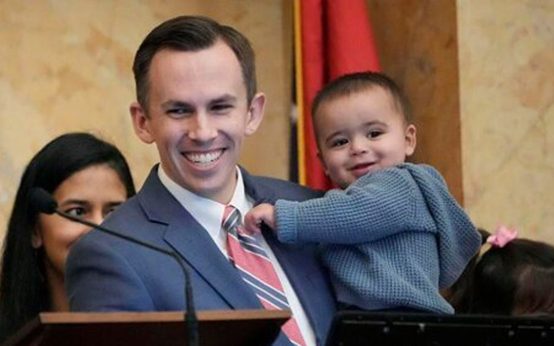 Mississippi State Auditor Shad White Announces Gubernatorial Bid
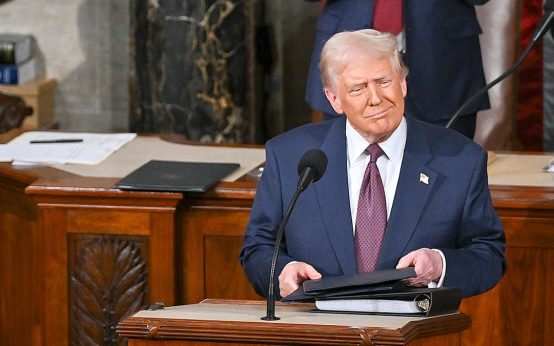 Trump Dismisses Third Impeachment Prospects
 Custody Dispute Involving Rep. Max Miller Delayed
 Attorney General Addresses Post-Midterm Democratic Threats
 Senator Elizabeth Warren and the Future of Crypto Regulation
 Bipartisan Opportunities in Foreign Policy