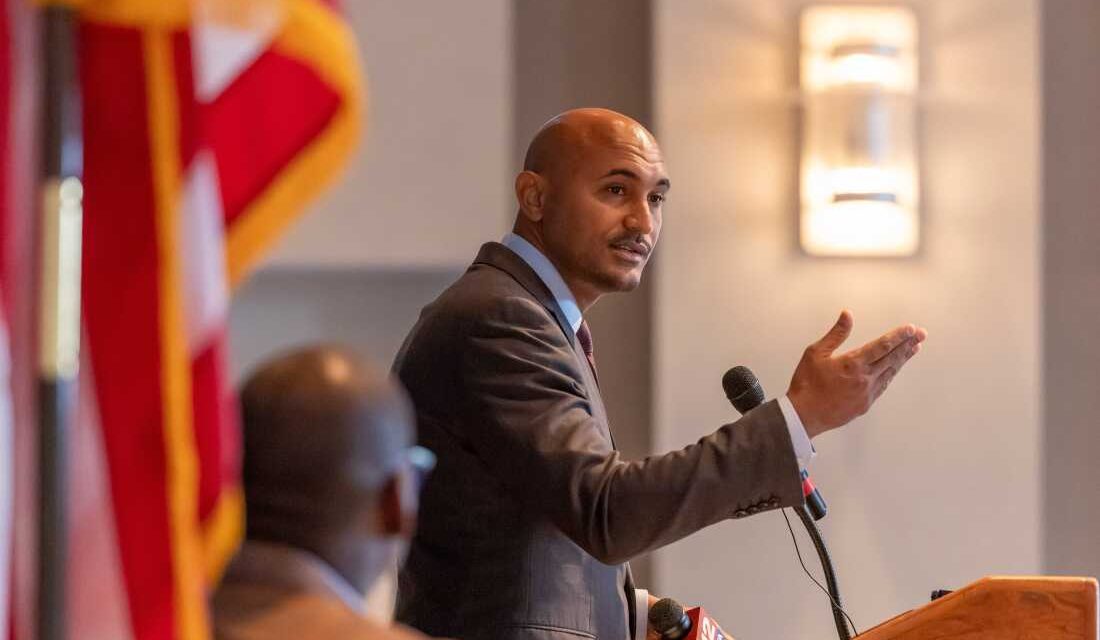
Rep. Shomari Figures addressed an event by the Montgomery Regional Chamber of Commerce, highlighting recent shifts in Alabama’s voting landscape. This took place in Montgomery, Ala., amid ongoing discussions about the state’s redistricting efforts.
In Hope Hull, Ala., Willie Dixon and Mary Gatson waited for a Congressional town hall at Beulah Primitive Baptist Church. They discussed last-minute changes affecting Alabama’s voting process. Dixon remarked that a chaotic environment can deter voters.
Today, parts of Alabama hold a second primary this season. The U.S. Supreme Court’s decision to change a key part of the 1965 Voting Rights Act fueled this. Alabama, among other southern states, quickly moved to redraw district lines before mid-term elections, consolidating Republican influence.
Less than two weeks before May’s regular primary, Alabama’s Republican-led legislature changed the boundaries of four out of seven districts. This included altering a primarily Black district, which a court had deemed discriminatory.
“Create enough chaos, and people will give up and go home,” said Dixon, reflecting on how confusion might impact voter turnout.
Gatson shared concerns about how changes could discourage Black voters. The Black Belt, a significant region in Alabama, faces impacts from such reconfigurations. Dixon highlighted ongoing struggles for fair representation, reminiscent of Selma to Montgomery’s voting rights march, a cornerstone of the Voting Rights Act.
Efforts to Maintain Representation
Democratic Rep. Terri Sewell emphasized the need for fair representation, not fragmented or minimal. In Alabama’s delegation, Black Democrats like Sewell and Rep. Shomari Figures face challenges with representation. Despite being around 27% of the state’s population, Black individuals face electoral hurdles.
Sewell said it’s unacceptable for state redistricting based on partisan lines to lead to discrimination against minorities. She advocates for equal representation in policy-making processes.
Rep. Shomari Figures faces a revised district without his hometown Mobile. He was first elected in 2024 after a lawsuit pushed for redrawing Alabama’s congressional map. While previously having a 47% Black constituency, the new map reduces it to 40%.
Figures remains optimistic about his re-election chance and maintains a commitment to represent all constituents. His Democratic nomination remains uncontested.
Republican Strategies
Redistricting presented six Republican candidates striving for party nomination, where previously just one candidate, Hampton Harris, contested. These changes increased confusion for both candidates and voters.
Harris noted the complexity of shifting boundaries and primary dates, which could suppress voter turnout. He also expressed concerns over voter participation due to August’s heat.
At a Republican Party event, Harris was one of several hopefuls participating in forums and community activities to connect with voters.
Joshua McKee, another candidate, praised the new map aligning with local rural interests, distancing from coastal issues unrelated to their region.
Local Republican officials aim to boost voter awareness, despite apathy concerns. They are frustrated by Democratic encouragement of crossover voting, which complicates primary dynamics further.
Rep. Rhett Marques, a prominent Republican contender with endorsements from President Trump and political leaders, switched to the newly drawn 2nd district. Marques sees it as a critical opportunity not only for state politics but potentially for wider Congressional control.
Marques underlined the historical nature of the recently restored district map, emphasizing its benefits for Republican prospects.
 Challenges and Resilience in 2024: A Look at Democratic Leadership
 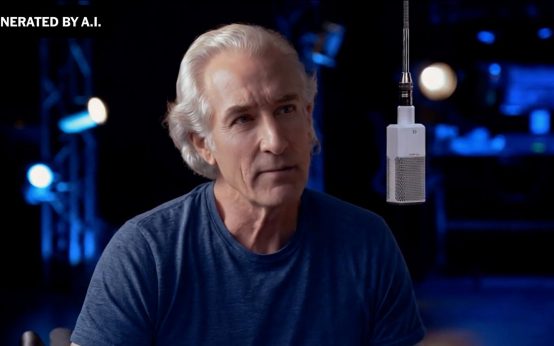 Reimagining George Washington Using AI
 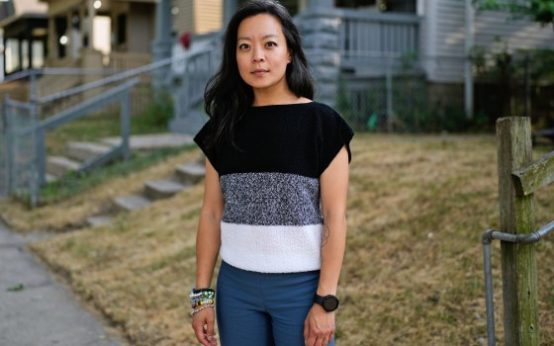 Francesca Hong Leads in Wisconsin Gubernatorial Polls
  President Trump Tests Supreme Court Rulings on Key Issues
 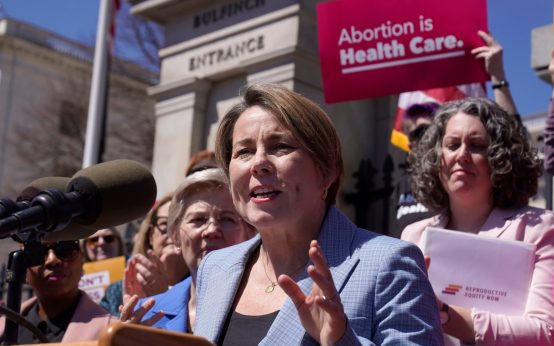 Massachusetts Expands Abortion Access with New Legislation
  Trump’s Strategy on Iran: Economic Squeeze