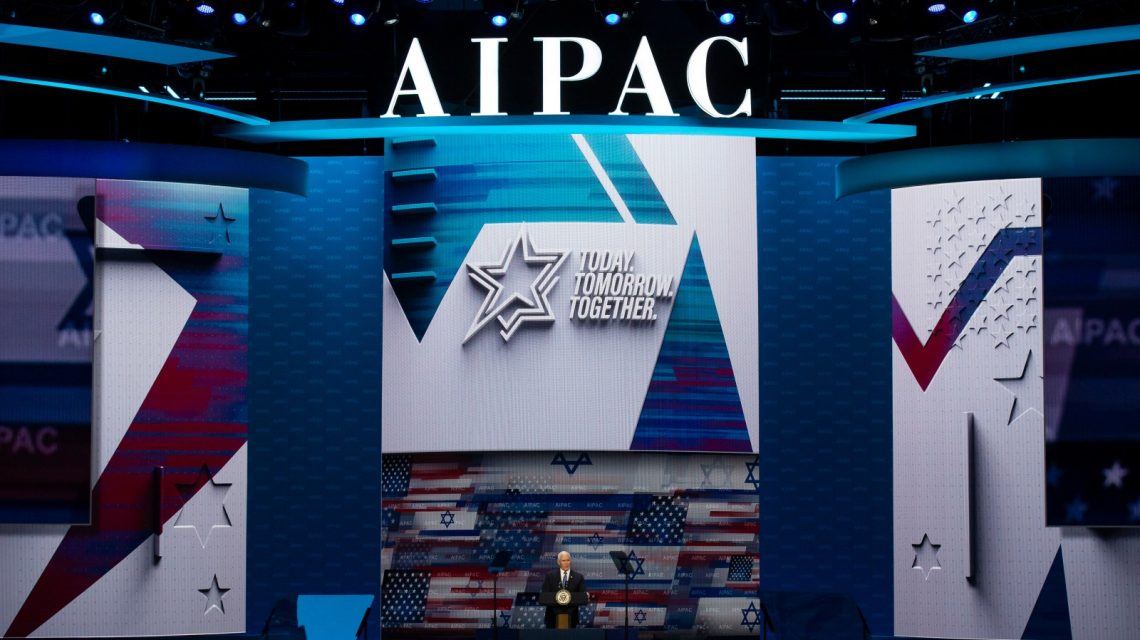
AIPAC-Affiliated Spending Influences Michigan Democratic Senate Race
An American Israel Public Affairs Committee (AIPAC)-affiliated super PAC, United Democracy Project, has invested nearly $15 million in Michigan’s Democratic Senate primary this year. This substantial spending is primarily in support of Representative Haley Stevens, with two-thirds of the funds backing her and the rest aimed at countering her competitor, Abdul El-Sayed.
The contest for the open Senate seat is a significant point in the Democratic Party’s discussions on Israel and external political funding. It also represents a major opportunity for the Republicans to flip a Democrat-held seat following the retirement of Democratic Senator Gary Peters.
The funding from pro-Israel sources coincides with Stevens’ criticism of Israeli Prime Minister Benjamin Netanyahu. She accused him of endangering Jews globally, while Netanyahu responded by suggesting Stevens was trying to excuse antisemitism.
Michigan remains a critical battleground state, narrowly won by President Donald Trump in 2024 by less than 2 percentage points. The Democratic nominee will likely face Republican Mike Rogers in a competitive general election.
Tug-of-War Over AIPAC Support
The Democratic primary in Michigan has seen significant outside financial input, especially from United Democracy Project, a group tied to AIPAC.
According to federal records, United Democracy Project has allocated approximately $9.3 million to support Stevens and around $5.7 million to oppose Abdul El-Sayed, a former public health official. Recent filings show continued spending activities by United Democracy Project in support of Stevens and against El-Sayed.
Senator Bernie Sanders, who endorses El-Sayed, expressed concerns over the disproportionate spending. Sanders highlighted that AIPAC is spending significantly more than El-Sayed’s campaign in the MI Senate primary, emphasizing a need to support El-Sayed against such massive financial backing.
El-Sayed criticizes AIPAC-backed spending as central to his campaign. He accuses Stevens and the Democratic establishment of trying to buy a Senate seat, whereas Stevens asserts that her votes and policies are unowned.
Financial records indicate that while El-Sayed had a higher fundraising quarter, Stevens closed June with greater cash reserves. Her support from AIPAC-aligned groups further solidifies her pro-Israel stance.
El-Sayed’s Stance on U.S.-Israel Relations
El-Sayed has publicly criticized Israel’s military actions in Gaza, equating them to genocide. He calls for an end to U.S. military aid to Israel, a position contested by Israel.
A Stevens campaign ad, funded by United Democracy Project, highlights her work during the Obama administration, her critiques on ICE accountability, and opposition to DHS Secretary Kristi Noem.
Meanwhile, United Democracy Project released ads targeting El-Sayed, citing disrespectful remarks towards women and past allegations involving a discrimination lawsuit.
While AIPAC has historically donated openly to candidates, it has shifted tactics due to changing Democratic views on its influence. Reports indicate that a significant portion of donors to Stevens’ campaign also contributed to AIPAC.
Shifting Democratic Views on AIPAC
United Democracy Project’s extensive spending in other Democratic primaries, such as New Jersey and Illinois, reflects a changing dynamic.
Although Stevens received backing from pro-Israel groups, Democratic opinions on AIPAC are evolving. Polls indicate mixed views among Democratic primary voters about AIPAC, with many expressing unfavorable opinions.
A broader Democratic sentiment leans towards reducing U.S. aid to Israel, according to several polls. Voices within the party call for reevaluating U.S. foreign policy and addressing compliance with American values.
Debate and Criticism Between Stevens and Netanyahu
Tensions between Stevens and Netanyahu have highlighted contrasting views on U.S.-Israel relations.
During debates, Stevens criticized Netanyahu’s leadership, questioning his impact on global security and peace efforts. Netanyahu countered by accusing Stevens of potentially excusing antisemitism.
This exchange underscores increasing divisions within U.S. domestic politics regarding support for Israel.
Michigan Senate Democratic Primary Developments
With Senator Gary Peters retiring, the Democratic primary has crystallized into a two-candidate race between Stevens and El-Sayed after state Senator Mallory McMorrow withdrew.
The primary serves as a litmus test for the Democratic Party’s trajectory. Stevens boasts establishment backing, whereas El-Sayed represents progressive interests.
If victorious, El-Sayed would be the first Muslim U.S. senator, leveraging his progressive endorsements to appeal to diverse voter bases.
Polling Insights and Candidate Prospects
Polls indicate a close contest between Stevens and El-Sayed, with varying leads and significant undecided voters.
Both Stevens and El-Sayed present strong arguments for their electability against Republican candidate Rogers, with analyses projecting tight competition in the general election.
Michigan’s impending primary will determine the Democratic nominee, vital in shaping the political landscape leading to the November election.
 Trump Criticizes Rep. Salazar Amid Election Tensions
  U.S. Space Academy Plans and States’ Competition
  A Proposal for Addressing Presidential Influence on Press Freedom
  Immigration Debate: Democrats and Republicans Face Messaging Challenges
  Insight into the Biden Administration’s Gaza Policy
  Systemic Issues Plague U.S. DOGE Service