Recent investigations revealed a significant cybersecurity breach involving a British naval drone unintentionally transmitting data to China. This incident serves as a critical alert for U.S. policymakers.
The U.K. Ministry of Defence, during routine checks, found that components within their naval drones were secretly sharing data with China. Although the drone was built in Britain, the vulnerability lay in its components.
Beijing relies on strategies like intellectual-property theft and cyberespionage to integrate into Western supply chains. This integration allows China to extract intelligence and create exploitable vulnerabilities.
Traditionally, responses have centered around restricting Chinese technology only after substantial risks are evident, often leading to costly replacements in U.S. infrastructure.
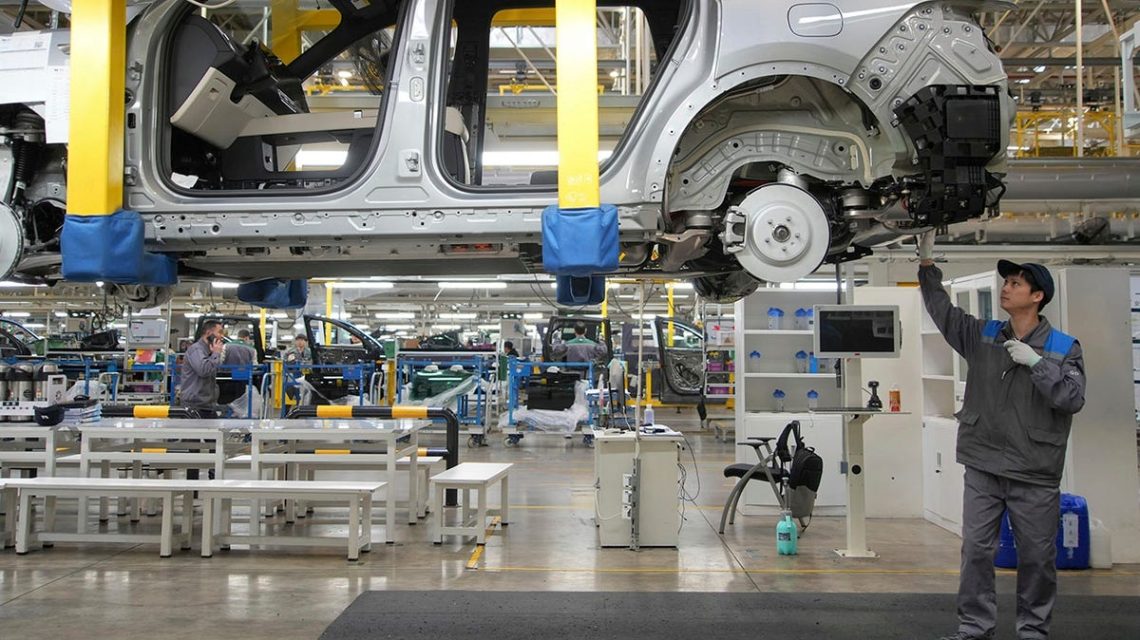
China is broadening its focus to include automobiles for espionage and sabotage, presenting a chance for the U.S. to respond proactively. Being the largest vehicle exporter, Chinese companies are key players in the electric vehicle sector, including batteries, software, and sensors essential to modern vehicles.
As vehicles become more interconnected, China’s presence poses severe national security risks. Modern cars function like computers on wheels, equipped with a range of data-collecting technologies. In adversarial hands, these could be exploited for surveillance or control.
The threat isn’t limited to Chinese-manufactured vehicles; it extends to any vehicle containing Chinese components. Software and hardware within these automobiles could potentially provide Beijing with extensive intelligence.
Particularly concerning is the possibility for disruption in transportation, especially during crises or conflicts. Vulnerabilities in millions of vehicles could be exploited at a societal scale.
To counter these threats, the U.S. Congress has an opportunity to take preemptive action through the bipartisan Connected Vehicle Security Act. Sponsored by bipartisan members, this legislation builds on existing Commerce Department rulings, further ensuring the security of vehicles and components connected to foreign adversaries.
The Commerce Department previously identified risks of foreign access to technologies enabling data collection and remote manipulation. However, lasting protection would require congressional action.
The Connected Vehicle Security Act intends to permanently secure the supply chain, extending protections beyond Chinese-made vehicles to include all connected components, such as software and electronics within batteries.
The Senate Commerce Committee has advanced the bill; now, Congress must pass it swiftly to prevent new dependencies similar to past reliance on Chinese technology.
This legislation provides a chance to protect national security interests and prevent dependency on potentially compromising technologies.
 Sen. Rand Paul Criticizes Trump’s Proposed Financial Plan Amid Rising National Debt
  U.S. and China to Discuss AI Transparency
  Apple Unveils Latest iPhone, Watch and AirPods Models
  Gen Z Voters and Their Impact on the 2026 Midterm Elections
  Influence Concerns Surround California Political Donors
  Secure Your Internet Connection with Consistent VPN Usage While Traveling