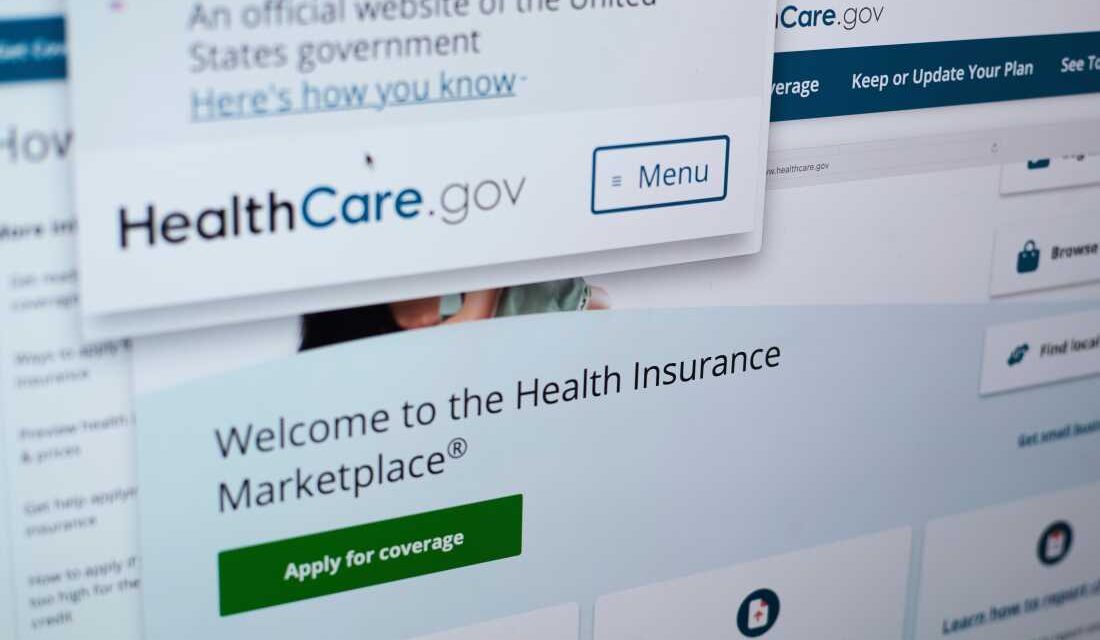
The number of individuals with insurance through the Affordable Care Act (ACA) is expected to drop to 19.2 million by 2026, as reported by the federal government. Currently, Healthcare.gov serves as the marketplace for 29 states.
A recent report highlights a decrease in ACA insurance enrollment, revealing that five million fewer people are enrolled compared to last year’s peak. The record-high of 24.2 million people in the ACA marketplace was reached in 2025. Data show a decline of more than 1 million people who initially chose plans for 2026, with an additional 4 million losing coverage due to disenrollment or non-payment of premiums.
The termination of additional financial support last year by the Trump administration and Congress contributed to surging market prices. This significantly impacted enrollment figures. The Department of Health and Human Services published these findings on its website, detailing the shift.
Cynthia Cox, director of the KFF’s Program on the ACA, emphasizes that enrollment is 13% lower this year. She notes the Trump administration’s attribution of decreased enrollment to fraud efforts. However, the expiration of enhanced tax credits coincided with substantial premium hikes, leading to coverage loss.
The Paragon Health Institute, a conservative think tank, proposed the theory of fraud-induced enrollment growth. Many health experts disagree, attributing the increase during the pandemic to federal funding aimed at lowering premiums. The enhanced premium tax credits made coverage more accessible and appealing.
The current enrollment drop aligns with predictions because premium costs have doubled from 2025 to 2026. This surge followed the lapse of enhanced tax credits, which Republicans allowed, and Democrats opposed during a government shutdown negotiation in late 2025.
Cox indicates that rising costs forced many to drop their coverage. While acknowledging fraud issues in ACA marketplaces, she believes it doesn’t fully explain the drop in numbers. Predominantly, ACA enrollees live in Republican constituencies, as noted by KFF data.
Stacey Pogue from Georgetown’s Center on Health Insurance Reforms concurs, suggesting financial constraints drive individual choices rather than fraud allegations. The economic climate, marked by persistent inflation, pressures consumers to reassess their family budgets and decisions.
Insurance providers, too, face challenges. Several have declared intentions to exit ACA markets due to the shrinking customer base, including Cigna. The withdrawal of healthier individuals poses additional risks to the market’s sustainability.
Cox remains optimistic about avoiding a potential “death spiral,” believing that sufficient enrollment will maintain market viability. Although current conditions are stable, rising premiums could continuously affect consumers and shrink enrollments.
Looking forward, an analysis from Pogue indicates that premium rates are poised to rise again in 2027, suggesting ongoing challenges for both the marketplaces and consumers struggling with escalating healthcare expenses.
 Understanding Addiction Risks After Presley Gerber’s Death
  Managing Distress: Insights and Techniques
  Best Practices for Safe Consumption of Fresh Produce
  The Complexity and Prevention of Suicide
  A Journey Through Cancer: Reflections on Diagnosis and Metaphor
  Impact of Sleep Types on Disease Risk