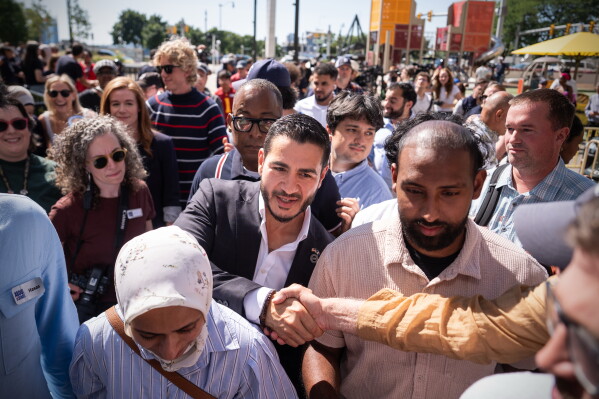
Abdul El-Sayed, a former public health official, narrowly defeated Rep. Haley Stevens in Michigan’s Democratic primary for the U.S. Senate. This sets up a significant test for progressives in a key battleground state. El-Sayed will compete against Republican Mike Rogers, a former congressman, this November. The outcome of this election could influence control of the Senate.
El-Sayed’s victory over Stevens was close, emphasizing the challenge of unifying Democratic factions. Stevens, backed by the Democratic establishment, conceded defeat and pledged to support El-Sayed. He promises a more aggressive approach against corporate interests and former President Donald Trump. El-Sayed’s victory, albeit slim, reflects a shift in the Democratic party. In 2018, he lost the gubernatorial primary to Governor Gretchen Whitmer by a large margin.
El-Sayed’s campaign centered on Medicare for All, reducing military aid to Israel, and reforming campaign finance. He received support from progressive figureheads like Sen. Bernie Sanders and Rep. Alexandria Ocasio-Cortez. They framed this race as a grassroots effort against establishment influence. His tight win was assured after almost all ballots were counted, leading by just under 1 percentage point, totaling over 1.5 million ballots. El-Sayed’s margin over Stevens was 14,893 votes.
Uniting different Democratic factions stands as El-Sayed’s next challenge. Republicans have already allocated substantial funding for Rogers. Curtis Hertel, the Michigan Democratic Party chair, emphasized the importance of collaboration to defeat Rogers.
Michigan’s election carries high stakes as Democrats aim to control the Senate during the latter years of Trump’s term. Stevens focused on her track record in tough elections, citing her background in manufacturing and the economy. She served as chief of staff in Obama’s administration. El-Sayed presents himself as an anti-establishment candidate, emphasizing a more progressive strategy, distinct from the conventional party stance.
Voters recognized clear differences between the candidates. Kenneth Woodside, 87, supported El-Sayed for promoting action against an oligarchical trajectory. Nessa Fuller, 51, preferred Stevens for her collaboration skills, which appealed to her values. El-Sayed did not identify as a democratic socialist but garnered support from some members, including Melat Kiros and online influencer Hasan Piker.
The race saw significant outside financial influence. Groups supporting Stevens spent over $50 million in the primary, with over $30 million from the American Israel Public Affairs Committee (AIPAC). AIPAC supports pro-Israel candidates, a contentious issue within the Democratic Party, showcased by the Michigan primary divide.
El-Sayed seeks to end military aid to Israel, while Stevens maintains strong support for the relationship. AIPAC stated its opposition to El-Sayed’s agenda in the upcoming November election.
In another Michigan race, state Rep. Donavan McKinney defeated Rep. Shri Thanedar in the 13th district, representing Detroit. McKinney emphasized the importance of Black representation in Congress, which Detroit lacked since the early 1950s until Thanedar’s election in 2022.
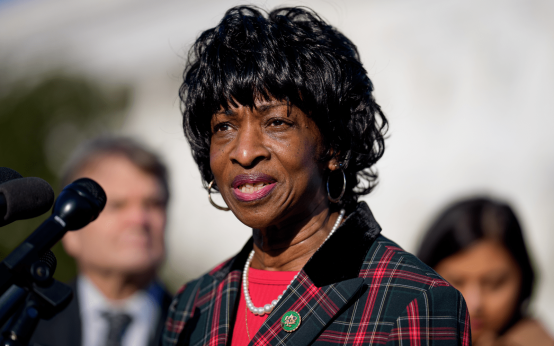 American Tariff Rebate Act Introduced by Rep. Valerie Foushee
  The War on Poverty: A Lesson on Intentions and Outcomes
 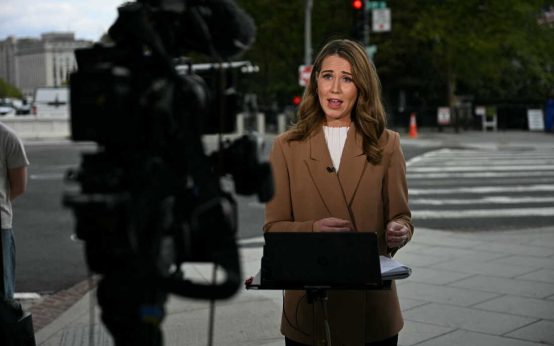 Reporters Blocked from White House by Trump Administration
  Universities Should Reject Political Influence on Research Funding
 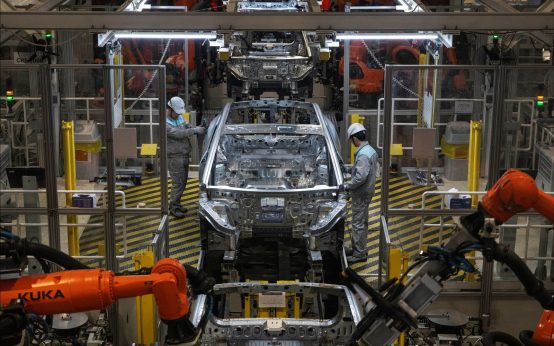 Trump’s Approach to China: Trade Dynamics and Challenges
  Media Outlets Sue After White House Ban