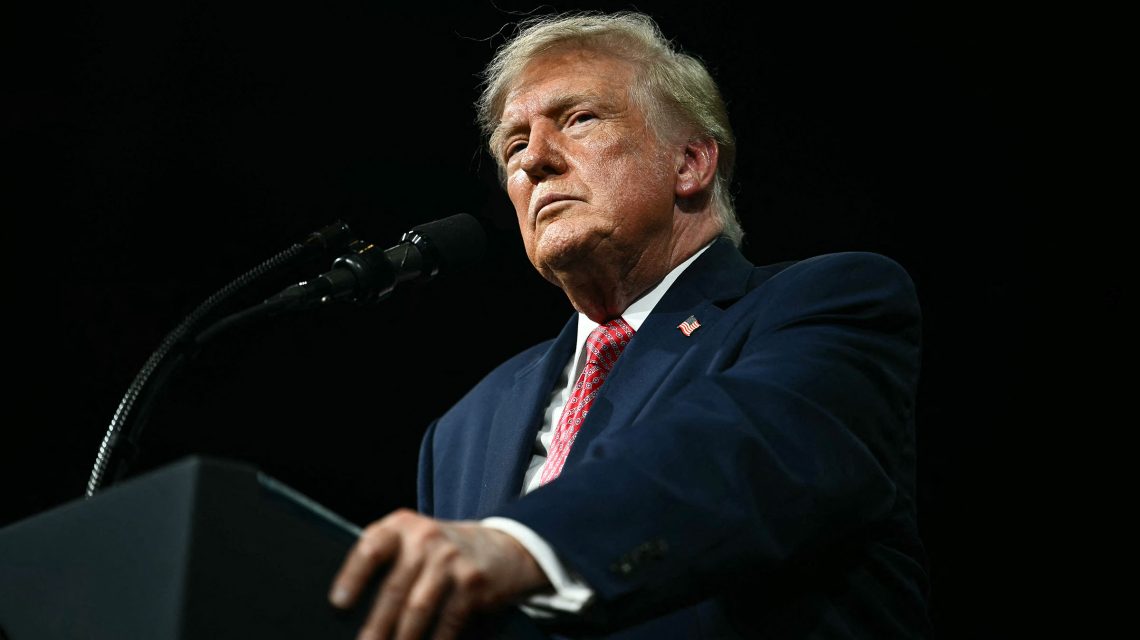
On the eve of a consequential election, President Donald Trump addressed supporters at the Lincoln Memorial Reflecting Pool, where he managed a refurbishment project with mixed results. Aides hoped he would address important public concerns such as rising gas prices, high grocery costs, and international conflicts. Instead, Trump’s discourse focused mainly on construction, overshadowing pressing national issues.
As Trump journeyed across the nation, he struggled to maintain focus on the voters’ immediate concerns. Discussions about energy prices and peculiar digressions highlighted an atypical campaign. His speeches often veered into unexpected territory, leaving allies puzzled.
The election results were a profound setback for Trump’s agenda. Democrats seized both the House and Senate, fulfilling a strong mandate against Trump’s presidency. Indeed, Trump-endorsed candidates suffered significant losses, including notable figures like Ken Paxton in Texas and Darlene Graham in South Carolina.
Despite acknowledging these defeats, Trump downplayed their significance. He viewed midterm defeats as historically common, citing previous administrations as examples. Trump attributed some of the political setbacks to external factors, like international issues affecting domestic gasoline prices.
Throughout his political career, Trump has commanded considerable loyalty from Republicans. However, this latest electoral loss suggests his influence may wane, evidenced by an NBC News exit poll where 43% of voters expressed disapproval.
As presidents often shift focus in their remaining terms, Trump is expected to engage in foreign policy, with renewed attention on the Western Hemisphere. Yet, with a divided government, his administration faces increased scrutiny and potential legislative hurdles.
Trump’s campaign leading up to the midterms involved expansive rallies and bold claims. Yet, repeated off-message remarks stirred new controversies. Creative outreach strategies, including celebrity endorsements, were employed, aiming to capture diverse voter segments.
During the campaign, Trump shifted tactics to engage lower-propensity voters using alternative media and endorsements from athletes and celebrities. Despite these efforts, Republicans faced criticism for the administration’s handling of economic and political issues.
With the midterms concluded, the GOP’s future under Trump’s continued influence remains uncertain. While past strategies may see adjustment, Trump is likely to remain a polarizing figure. Voter discontent, accentuated by a challenging economic environment and government corruption concerns, demands a recalibration among political leaders.
As the party loyal to Trump begins considering future leadership, tensions within the GOP may rise. Vice President J.D. Vance, among others, will need to navigate a complex political landscape in preparation for future elections, even as the party contemplates a post-Trump era.
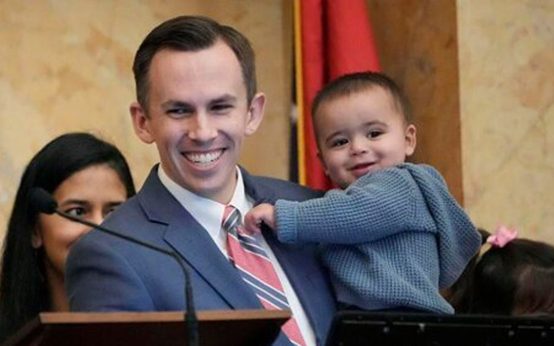 Mississippi State Auditor Shad White Announces Gubernatorial Bid
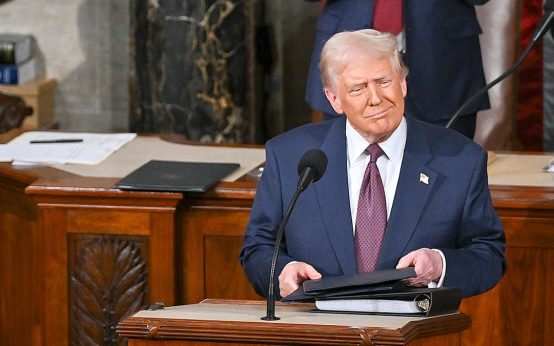 Trump Dismisses Third Impeachment Prospects
 Custody Dispute Involving Rep. Max Miller Delayed
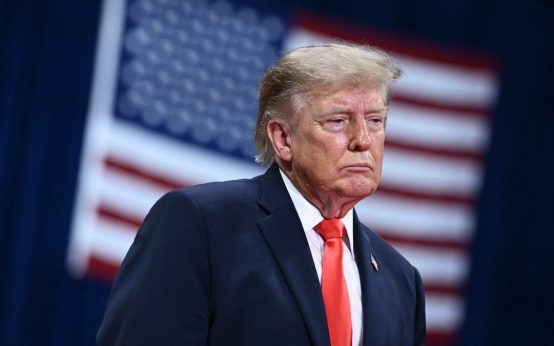 Attorney General Addresses Post-Midterm Democratic Threats
 Senator Elizabeth Warren and the Future of Crypto Regulation
 Bipartisan Opportunities in Foreign Policy