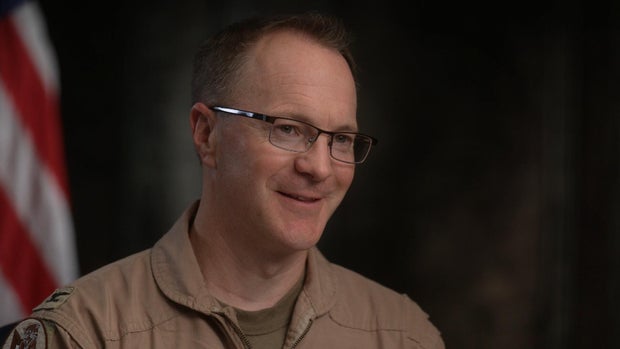
On a April night 2026, an American aviator faced a dire situation after his F-15E fighter jet was shot down in Iran. Known as Bravo, the aviator free-fell to the ground. The missile damaged his parachute, causing him to descend at 70-100 mph.
An assignment under the mission call sign Dude 44 took a perilous turn. Bravo, the weapons-systems officer, and his pilot crewmate Alpha, ejected when their aircraft couldn’t be saved. Alpha was rescued promptly, but Bravo faced a daunting ordeal.
“At one point when I looked up and saw no parachute, that was the most terrifying thing I’ve ever seen.” – Bravo
Bravo landed hard, injuring his back, arm, and shoulder. Yet, his survival instinct kicked in, leading him through Iran’s mountainous terrain for two days.
Bravo attributes his survival to divine intervention, stating: “I believe that it’s a testament to God’s provision in my life.” Nonetheless, after two days and a complex rescue mission, Bravo was safely extracted.
Dude 44’s Mission and the Missile Strike
Bravo’s mission in Iran sought to strike industrial facilities tied to Iran’s drone and missile programs. Despite having air superiority, the F-15E was downed by a $100,000 shoulder-fired missile.
Rear Admiral Brad Cooper reported that the U.S. military had executed 13,000 sorties in the ongoing war with Iran. The attack on Dude 44’s aircraft prompted urgent rescue efforts.
Bravo’s Survival Tactics
Bravo described the missile impact as “getting hit by a freight train.” After ejecting, he landed miles apart from Alpha. Despite injuries, Bravo trekked away from the crash site, adapting to the situation.
He found himself in a rugged valley with towering cliffs. With remarkable resilience, he scaled a 7,000-foot ridge, focusing on evasion.
The Urgent Rescue Effort
Six hours into the rescue operation, Alpha was recovered amidst firefights. Bravo’s extraction proved more complex, demanding U.S. forces’ strategic planning.
Deceptive measures by the CIA and precise technology pinpointed Bravo’s location. Despite risk, helicopters retrieved him from a steep ridgeline.
Against All Odds
The rescue operation marked the first U.S. military presence in Iran in 46 years. With over 90 service members involved, the mission highlighted the relentless commitment to “leave no man behind.”
The airstrip’s sandy conditions trapped rescue planes, prompting innovative solutions to extricate the aviator and his rescuers.
“One of the greatest moments of my life” – Bravo
Bravo’s rescue concluded 50 hours after the initial strike, underscoring the bravery of America’s forces.
Reflecting on the ordeal, Bravo emphasized its significance beyond his story. It showcased teamwork, faith, and leadership, asserting the U.S. commitment to its personnel.
 Navigating the Challenges of Third-Country Deportations
 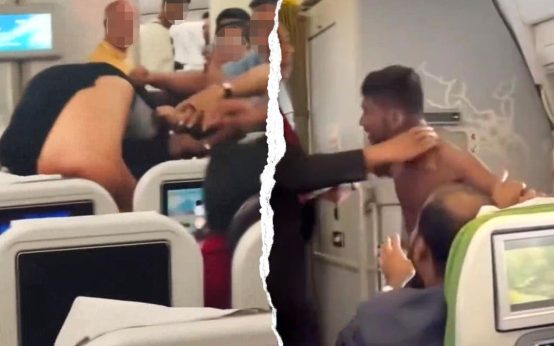 Midair Altercation on Bangladesh to London Flight
 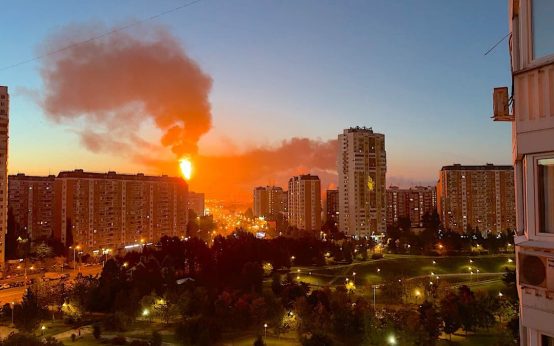 Ukraine Missile and Drone Barrage Hits Russia Amidst Elections
  U.S. Strategic Goals Remain Unmet Amid Prolonged Conflict
  New Photos Reveal Damage from Iranian Strikes in the Middle East
  Assassin of Chilean Diplomat Orlando Letelier Faces Deportation 50 Years After Assassination