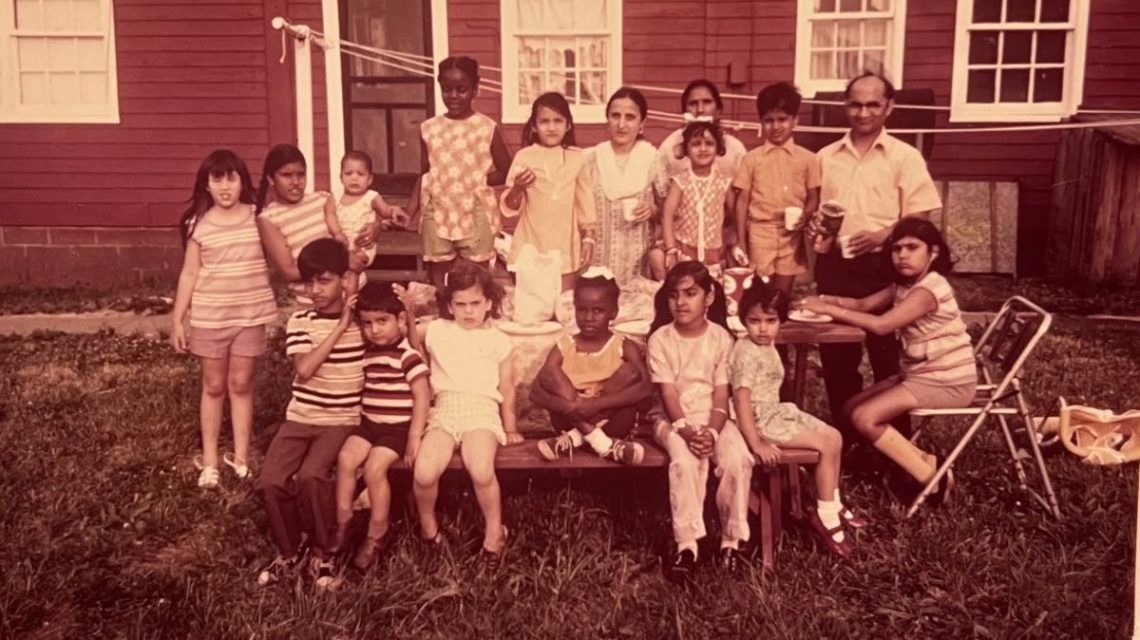
Zafar Nomani was born in India in 1933. He lived by a philosophy of gratitude. He imparted this belief to his daughter, emphasizing the value and joy found in hard work. A particular moment in 1962 left a lasting impact on him. As a visiting teacher at Kansas State University, Nomani witnessed his professor washing cars alongside students. This memory resonated with him, portraying the ‘dignity of labor’.
Over six decades later, Nomani’s family mourns his passing at 93. His daughter reflects on their shared life. Handling his power washer and tools, she revisits stories from their past. For years, she challenged patriarchal norms, yet now acknowledges the role her father played in her development as an investigative journalist.
Living a Philosophy of Gratitude: ‘I Get To…’
Arriving in America from India in 1969, Nomani’s daughter grew up amid feminist movements. Her father lived by a philosophy centered on gratitude and service. Instead of seeing challenges as burdens, Nomani viewed them as opportunities. His approach to life was shaped by experiences like surviving the Bengal famine in 1943.
Nomani’s philosophy was simple: ‘I get to’. This perspective transformed duty into love and service. He passed this mindset to his daughter, who now recognizes its significance in various aspects of life.
Driving to Opportunities
Nomani often expressed his love through acts of service, such as driving his family to opportunities. His actions mirrored his belief in creating opportunities. As a first-generation immigrant, Nomani understood the importance of helping others access these chances.
He played a crucial role in his daughter’s professional path, driving her to interviews and encouraging her ambitions despite cultural expectations.
Building a Baby’s Room: ‘Life is Multivariate’
After witnessing his daughter’s challenges, Nomani demonstrated unwavering support during difficult times. He exemplified how life could be an experiment in love and resilience, nurturing his daughter’s growth amid personal struggles. His presence provided her the space to learn and adapt.
Pioneering as a Girl Dad: ‘Zaf4Peace’
Nomani supported his daughter’s stand for gender equality and other personal battles, enabling her to challenge societal norms confidently. He engaged in debates but remained supportive, understanding her strength came from challenging him.
Planting Flowers: ‘Thank You’
In Nomani’s life, love meant labor – the labor of nurturing relationships and helping others thrive without expecting rewards. He embodied these values through simple yet profound acts that left a lasting impression on his family.
Nomani’s legacy included teaching his daughter the dignity found in humble and purposeful work. His philosophy of gratitude instilled a timeless lesson, uniting family bonds and reminding them of the fulfillment that labor brings.
 Patrick Clancy Shares Insights into Tragic Family Loss
  Midair Altercation on Bangladesh to London Flight
  Revival of Organized Labor in 2026
  Community Relief Efforts at New Orleans Free Store
 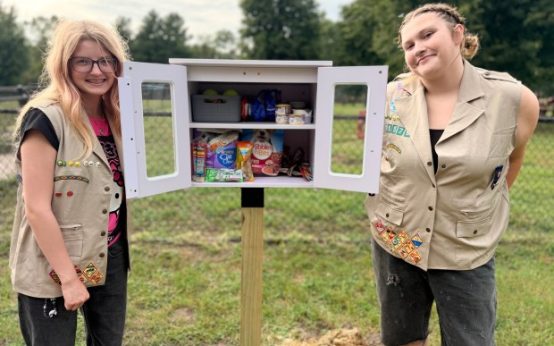 Girl Scout Troop 35579 Project: Pet Pantry for Woodland Park
  Children’s YouTube Star Ms. Rachel Draws Scrutiny Over Links to Palestinian Photojournalist