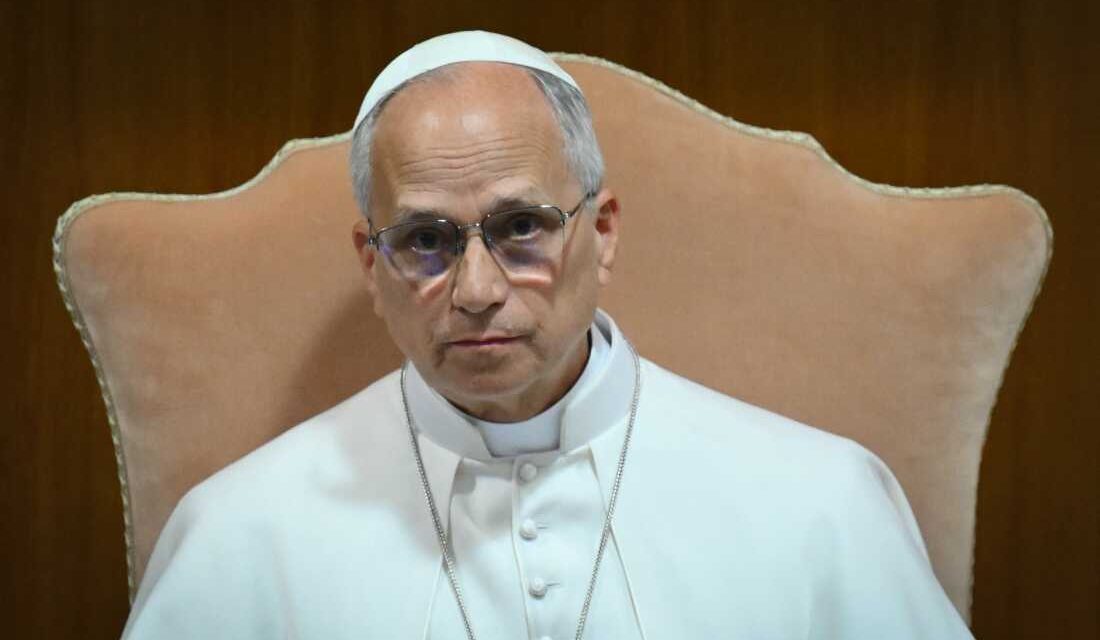
Pope Leo XIV addressed the implications of artificial intelligence (AI) in his first Encyclical Letter, Magnifica Humanitas, presented at the Vatican on May 25, 2026. This encyclical draws a parallel between the rapid ascent of AI and the biblical Tower of Babel, highlighting the potential consequences of technological hubris.
The Pope embraces AI’s potential contributions to fields like medicine, research, and education. Yet, he warns of the necessity to ‘disarm’ AI, choosing the term deliberately to raise awareness and steer humanity towards mindful technological use.
In his comprehensive letter, Pope Leo explores various facets of AI’s impact on society. He expresses concern about jobs being supplanted by AI, underscoring the importance of work as a source of human purpose. He stresses that economic objectives should not overshadow human dignity and societal well-being. He states, ‘Work is not simply an instrument. The pursuit of greater profits cannot justify choices that systematically sacrifice jobs.’
The Pope further contrasts AI’s data-processing capabilities with the profound understanding humans develop through lived experiences. He argues that AI can mimic human language and behavior but lacks the emotional and spiritual depth that characterizes human wisdom. He contends that AI might simulate empathy and other human traits, yet it cannot truly comprehend the outcomes it generates.
While acknowledging AI’s ability to offer advice and companionship, Pope Leo cautions against mistaking these outputs for genuine relationships. He warns that AI’s interactions might lead to illusions of connection, making individuals, especially those who are lonely and anxious, vulnerable to deception.
The encyclical poses a crucial question: will humanity leverage AI to enhance global economies and improve the human condition?
 Dan Dakich Criticizes Kaepernick’s NFL Slave Trade Comparison; Simone Biles’ Car Theft Issue
  The Autocratic Age: A Closer Look
  Venezuelan Migrant Arrest in Texas Sparks Outrage
  Senator Calls for Halt in Diesel Exports Amid Rising Fuel Costs
  Investigation into Far-Left Groups Organizing Protests
  Deadly Dispute Over Beach Chairs in Greece