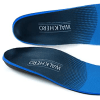
If you’re often on your feet due to work or enjoy running long distances, adding insoles can increase comfort and support in your shoes. Insoles fit into the bottom of your shoes, enhancing cushioning, arch support, and fit. However, choosing the wrong ones can lead to discomfort. To find insoles that are right for you, we consulted podiatrists and compiled recommendations based on their advice.
What to Look for in Insoles
With many options available, it’s essential to know what features to consider:
- Heel Cup: A sculpted heel cup ensures the foot is cradled supportively without irritation.
- Cushioning: Seek insoles with adequate padding. Foam or gel layers provide softness as you step.
- Rigidity: Semi-rigid insoles offer necessary support. Flexible ones might lack proper support.
Benefits of Insoles
Insoles benefit various foot needs. They support those with flat feet or high arches by redistributing weight, thus preventing pain and injury. Even without arch issues, insoles offer more comfort by cushioning the foot and improving biomechanics. This can particularly help with plantar fasciitis, a condition involving inflammation in the foot’s central tissue.
Understanding Your Need for Insoles
Insoles provide support, comfort, and shock absorption. While anyone can benefit from them, those with flat feet gain significant advantages due to the skewed forces on their feet. Proper arch support insoles can help mitigate associated pain. They also assist with heel or ball of foot pain by redistributing weight effectively.
Types of Insoles
Insoles come in various forms, usually made from plastic or foam, and fit inside shoes. Over-the-counter insoles provide general support, whereas custom insoles, crafted at a podiatrist’s office, offer personalized support. While custom options can prevent excessive or inadequate support, over-the-counter insoles still provide cushioning and shock absorption, especially in sneakers.
Expert Insights
Dr. Mohammad Rimawi, a board-certified podiatrist in NYC, emphasizes the tailoring potential of custom insoles, while Dr. Bruce Pinker, a board-certified podiatrist and foot surgeon, supports the cushioning benefits of over-the-counter options.
For additional expert advice and unbiased recommendations, ensure that expert consultations are free from undisclosed conflicts of interest.
Your ultimate choice will depend on your specific foot needs and the type of shoes you wear. Remember, while over-the-counter insoles are best for sneakers, custom options cater to a broader range of footwear.
 Presley Gerber’s Death Highlights Concerns in Addiction Treatment Approaches
  MAHA Activists Challenge Trump and RFK Jr. on mRNA Vaccines
  Fraud Task Force Saves Billions by Targeting Obamacare Fraud
  Understanding VA Disability Benefits and Latest Legislative Developments
  Nationwide Recall of Pasta Products Due to Listeria Risk
  Vice President JD Vance’s Task Force Targets Fraudulent Enrollments in Health Care Program