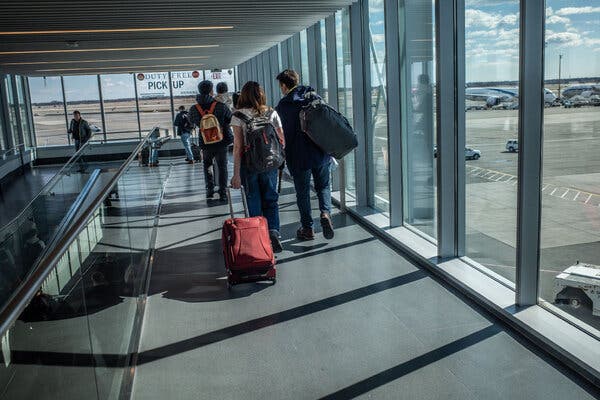
The United States has started rerouting travelers from the Democratic Republic of Congo, South Sudan, and Uganda to specific airports for advanced health screenings. This initiative aims to identify travelers who may have been exposed to the Ebola virus.
John F. Kennedy International Airport is set to commence screening passengers from Ebola-affected regions for the virus after 11:59 p.m. on Thursday. This makes JFK the fourth U.S. airport to conduct detailed public health checks since the outbreak began.
For the past week, travelers from the mentioned countries have been redirected to specific airports to undergo these screenings. Similar procedures are already in operation at Washington Dulles International Airport, Hartsfield-Jackson Atlanta International Airport, and George Bush Intercontinental Airport in Houston.
In a statement released on Thursday, the Centers for Disease Control and Prevention noted that Kennedy Airport has previously undertaken such screenings during other health emergencies, having operational procedures already in place. Screening will apply to all incoming travelers from affected regions regardless of their immigration or citizenship status. U.S. Customs and Border Protection had earlier announced the impending screenings at JFK Airport.
The Ebola outbreak has resulted in over 1,000 cases and more than 200 deaths. Public health authorities have pointed out that the shutdown of the U.S. Agency for International Development last year hindered detection and response efforts, contributing to the swift spread of the outbreak.
The Trump administration has committed to preventing the Ebola virus from entering the United States, even considering denying entry to affected American citizens. Earlier Thursday, senior officials announced plans to establish a 50-bed quarantine center in Kenya for Americans exposed to the virus. This center will include adjacent isolation and biocontainment facilities for those who test positive or exhibit symptoms while in quarantine. The quarantine facility is slated to open on Friday, though the timeline for the isolation and biocontainment facilities remains uncertain.
Efforts are also being made by the CDC and the State Department to locate enhanced treatment facilities in Europe for Americans requiring advanced Ebola treatment, officials stated.
 Joe Biden’s Prostate Cancer Progression and Current Healthcare Insights
 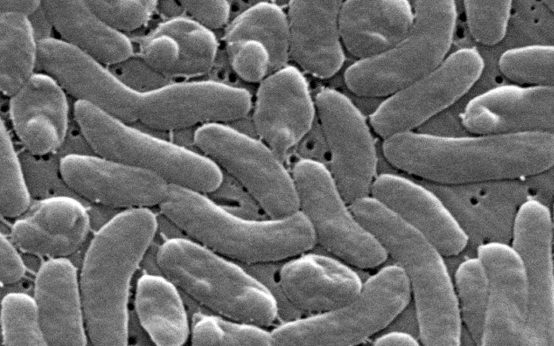 Vibrio Vulnificus: A Deadly Threat in Coastal Waters
  The Journey of Annelise Camp: A Family’s Battle and Tragic Loss
  Understanding N95 Respirators: What You Need to Know
  Ethan Suplee’s Journey to Sustainable Weight Management
  MaineHealth Board Votes to Close Maternity Unit at Lincoln Hospital