This week, President Donald Trump is engaged in negotiations concerning the Strait of Hormuz. While the Middle East captures headlines, a significant change in the energy landscape did not occur in any of the expected locations like Tehran or Tel Aviv. Instead, it happened at the gas terminals of Rotterdam, Wilhelmshaven, and Dunkirk. These centers represent Europe’s transition from dependence on Russian energy to increased reliance on American gas.
In February 2022, when Russia invaded Ukraine, Europe experienced an energy shock. At that time, around 40-45% of the continent’s gas imports came from Russia, a nation that had newly waged war on a neighboring country. The response from Europe was clear: avoid reliance on a single supplier or pipeline. This strategy aimed to diversify and escape such dependencies.
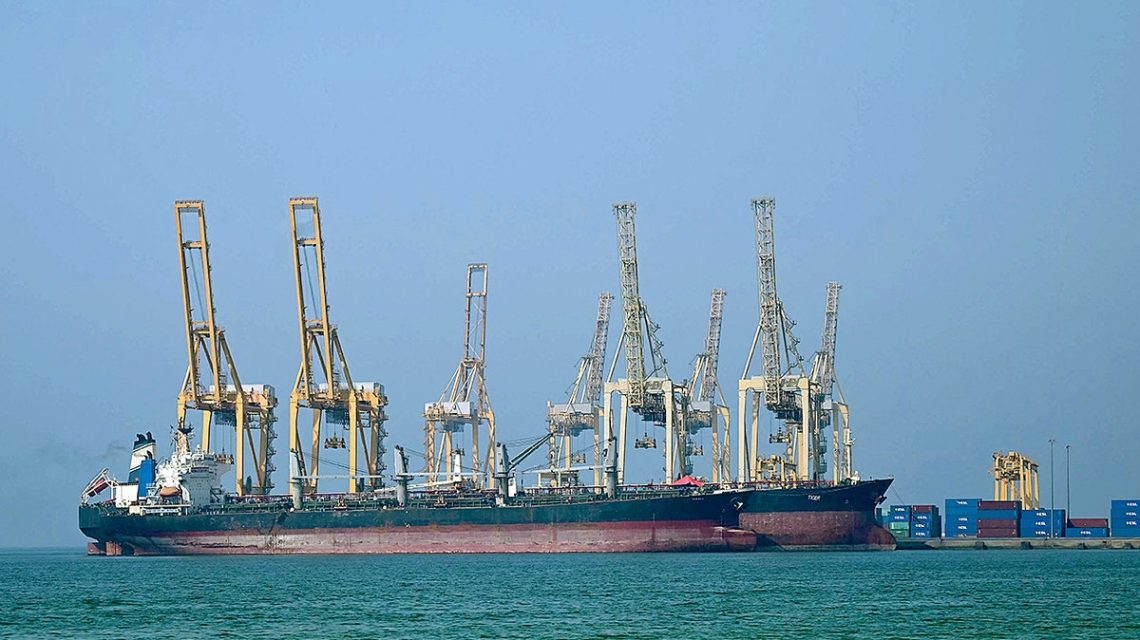
Iran seized two oil tankers in the Persian Gulf on Thursday, accused of transporting 1 million liters of smuggled fuel. (Photo by Giuseppe Cacace/AFP via Getty Images)
Europe took decisive action. Russian gas imports via pipeline decreased dramatically from 137 billion cubic meters in 2021 to only 18 billion cubic meters by 2025, representing an 87% reduction. Russia’s share of EU gas imports plummeted from 45% to 12%. In December 2025, the European Parliament solidified this shift through a vote of 500 to 120, enacting legislation to completely ban Russian LNG by 2026 and all pipeline gas by 2027, backed by penalties for violations.
Beyond reducing Russian ties, Europe devised a comprehensive plan to secure energy from diverse sources. It involved obtaining pipeline gas from Norway, LNG from Qatar and the Gulf countries, and further exploring renewable energy sources. The aim was clear: prevent any country from having the dominance Russia once held.
German Chancellor Friedrich Merz championed this cause. In February 2026, he embarked on a diplomatic mission to Saudi Arabia, Qatar, and the UAE to strengthen energy partnerships from these Gulf nations. His efforts focused on ensuring a multifaceted and independent energy future for Europe.
This approach was tested within a month. U.S.-Israeli clashes with Iran led to heightened regional tensions. Iran’s retaliatory actions included disrupting the Strait of Hormuz, a critical channel for oil and LNG, affecting the flow of Qatar’s exports. Shipping insurers upped the costs, making the Gulf routes financially unfeasible. Consequently, European gas prices surged by 25% in a day, with oil prices more than doubling to $126 per barrel by late April. European gas storage levels, already low, declined further.
President Donald Trump is expected to hold discussions with oil executives about potential investments in Venezuela following the capture of Nicolas Maduro. (Photo by Gabby Oraa/Bloomberg/Getty Images)
While discussions with Qatar indicated their willingness to supply LNG, geopolitical challenges, such as the closure of the Strait, continued to obstruct the flow of goods. This situation, combined with extravagant military actions, underscored the strategic significance of Hormuz as more than a simple waterway. Each prolonged disruption increased Europe’s dependency on American LNG.
Prior to the Ukraine conflict, the U.S. accounted for 24% of EU’s LNG imports. By late 2025, this percentage had escalated to 56% according to Eurostat. Reports in early 2026 by IEEFA indicated that the U.S. supplied 63% of Europe’s LNG.
During the conflicts, European buyers secured long-term agreements with the U.S. under steep prices and unfavorable conditions. Forecasts now predict that by 2030, imports from the U.S. will constitute 80% of Europe’s LNG, with American sources covering 40% of the EU’s combined gas needs.
Germany, once heavily reliant on Russian gas, now depends on American LNG for its industrial operations. Despite higher costs, the agreements and infrastructure established during the tensions will last for the foreseeable future.
The substantial investments and legal frameworks instituted will continue to shape Europe’s energy narrative, directing it increasingly towards American resources. This path signifies a culmination of a decade-long strategic realignment initiated both by conflict and geopolitical reshaping.
 Criticism Arises Over Michigan Senate Nominee’s Association with Streamer
  Homeland Security Takes Action Against Voter Fraud
  Iowa Senate Election: Turek Leads in Polls Amid Economic Concerns
  Kamala Harris Joins Abdul El-Sayed in Michigan Senate Campaign
  Public Confidence in the Supreme Court at Record Lows
  Federal Authorities Arrest California Lawmaker’s Aide for Visa Overstay