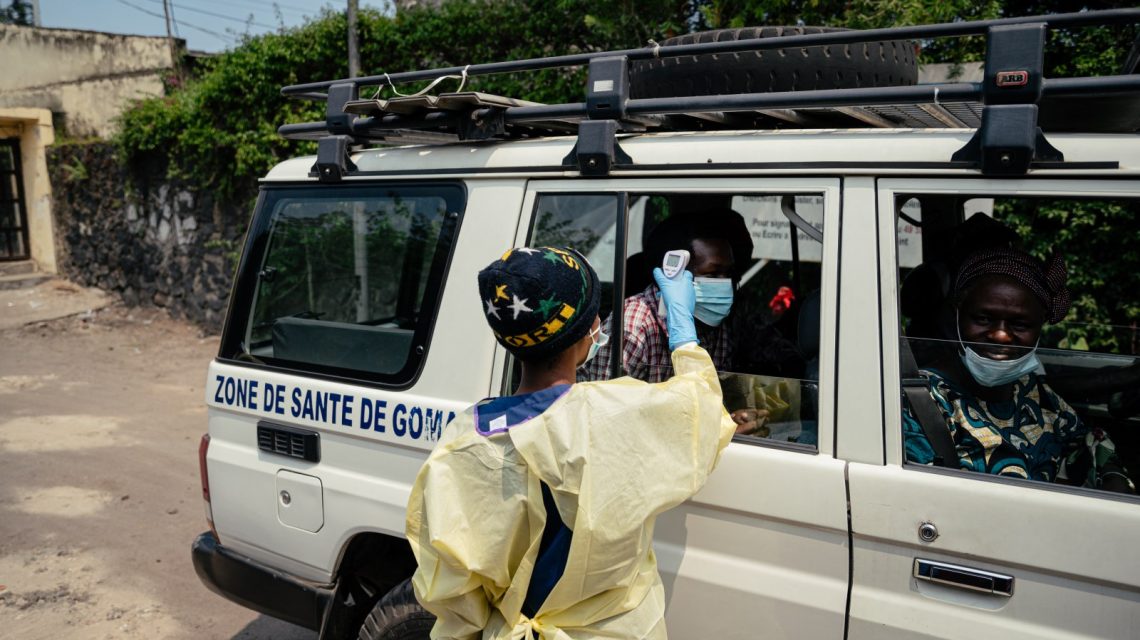
For many in the United States, Ebola once seemed a distant issue, tragic but remote. Yet history warns us otherwise. The 2014 West African Ebola epidemic resulted in over 11,000 deaths and caused disruptions in health systems across Guinea, Liberia, and Sierra Leone. It raised alarms globally when cases reached Italy, Mali, Nigeria, Senegal, Spain, the United Kingdom, and the United States. In America, cases appeared in Texas and New York, underscoring how quickly outbreaks can spread. The World Bank reported that the epidemic led to billions in economic losses for West Africa.
The situation was controlled due to a robust global response system. This involved international collaboration and infrastructure for outbreak responses. Disease surveillance, laboratory networks, emergency response teams, and foreign aid, largely funded by the United States and European governments, played key roles. The United States allocated over $5.4 billion for Ebola preparedness during this period.
Ten years later, a new Ebola outbreak challenges the world. However, the systems that previously managed these threats are now weakened. The current outbreak in the Democratic Republic of Congo (DRC) and Uganda involves the rare Bundibugyo strain. This strain was so unfamiliar that many laboratories initially misidentified it. By the time officials confirmed the outbreak, it had spread through funeral gatherings, crossed into Uganda, and entered turbulent regions.
The World Health Organization (WHO) has declared the situation a Public Health Emergency of International Concern, with over 860 suspected cases and 200 deaths reported. Unlike the Zaire strain, there are no approved vaccines or targeted treatments for Bundibugyo Ebola. Many of these deaths are preventable, and communities should not face these outbreaks alone.
Experts are particularly concerned that the Bundibugyo strain’s behavior differs from previous Ebola outbreaks, leaving the diagnostics and preparedness systems unprepared. Africa CDC officials have stressed that the lack of vaccines creates a high-risk scenario for the region.
The issue extends beyond viral mutation. It involves institutional weakening. For decades, the United States supported disease preparedness through agencies like USAID, the CDC, and partnerships with WHO and African health agencies. This support built laboratory networks and strengthened epidemic responses, particularly after the 2014 Ebola crisis.
Success in outbreak prevention often remains unnoticed because effective systems prevent epidemics quietly. However, the infrastructure is eroding amid rising risks from zoonotic spillover, climate impacts, political instability, and rapid disease spread in vulnerable regions.
Since January 2025, the Trump administration’s “America First” policy has reduced U.S. foreign assistance, weakening global health programs in places like the DRC. Changes include ceasing USAID program implementation, significantly diminishing outbreak preparedness and disease surveillance roles.
These cuts leave a significant impact beyond aid delivery. Reports indicate that the reduction in U.S. funding has placed global disease surveillance in uncertainty, hindering pathogen tracking and outbreak prevention. The U.S. retreat from multilateral cooperation has also disrupted coordination with WHO, compromising crucial alert systems.
In regions affected by conflict and institutional distrust, even short delays can drastically change the course of an epidemic. Despite challenges, containment remains possible. The systems developed post-2014 Ebola epidemic must be urgently utilized to prevent further preventable deaths.
The UK plans to reduce overseas aid to 0.3% of GNI by 2027, the lowest in decades, and similar cuts across Europe are shifting global aid dynamics. Some analysts project a 40% reduction in sectors like health and humanitarian aid.
Global health security is also domestic security. Foreign aid, often seen as charity in American discourse, serves as self-protection when disease outbreaks cross borders. Ten African countries face risks. The U.S. CDC confirmed an American worker in the DRC tested positive for Ebola and was treated in Germany. Another high-risk contact was monitored in the Czech Republic, raising international transmission concerns.
The unfolding events in the DRC and Uganda reflect more than a regional issue. They test global preparedness in an era where wealthy nations are stepping back from necessary protective systems. The challenge is for governments to heed this warning before future outbreaks become costlier and deadlier.
In these times of global fragmentation, pathogens find opportunities to spread and capitalize on the divisions.
Thoai D. Ngo, PhD, MHS, is the Chair and Professor of the Heilbrunn Department of Population and Family Health at Columbia University Mailman School of Public Health. The views reflected here belong to the author.
 Joe Biden’s Prostate Cancer Progression and Current Healthcare Insights
  Vibrio Vulnificus: A Deadly Threat in Coastal Waters
  The Journey of Annelise Camp: A Family’s Battle and Tragic Loss
  Understanding N95 Respirators: What You Need to Know
  Ethan Suplee’s Journey to Sustainable Weight Management
  MaineHealth Board Votes to Close Maternity Unit at Lincoln Hospital