Dogs, beyond their delightful looks and wagging tails, hold the potential to significantly influence human well-being. According to an expert, certain dog breeds are known for their ability to offer comfort and emotional support to individuals dealing with anxiety.
Anxiety and Dogs
Anxiety disorders are prevalent in the United States, affecting 19.1 percent of adults, as per the National Institute of Mental Health. Although dogs are not replacements for professional therapy, studies indicate they provide valuable emotional support, helping reduce stress and anxiety levels.
Research from 2019, published in Animals, revealed that direct interaction with dogs led to notable reductions in anxiety and improvements in mood compared to a control group. This aligns with the Mayo Clinic’s guidance, suggesting that pet interaction may decrease cortisol levels while enhancing oxytocin production, a hormone linked to emotional bonding and trust.
Breeds Offering Comfort
Evan Doggett, a certified dog trainer, shared his insights on five dog breeds that are particularly effective in aiding owners with anxiety. He emphasized that breed temperaments differ, especially between working and show lines.
“Not all dogs within these breeds will have the same personality or energy level,” Doggett explained.
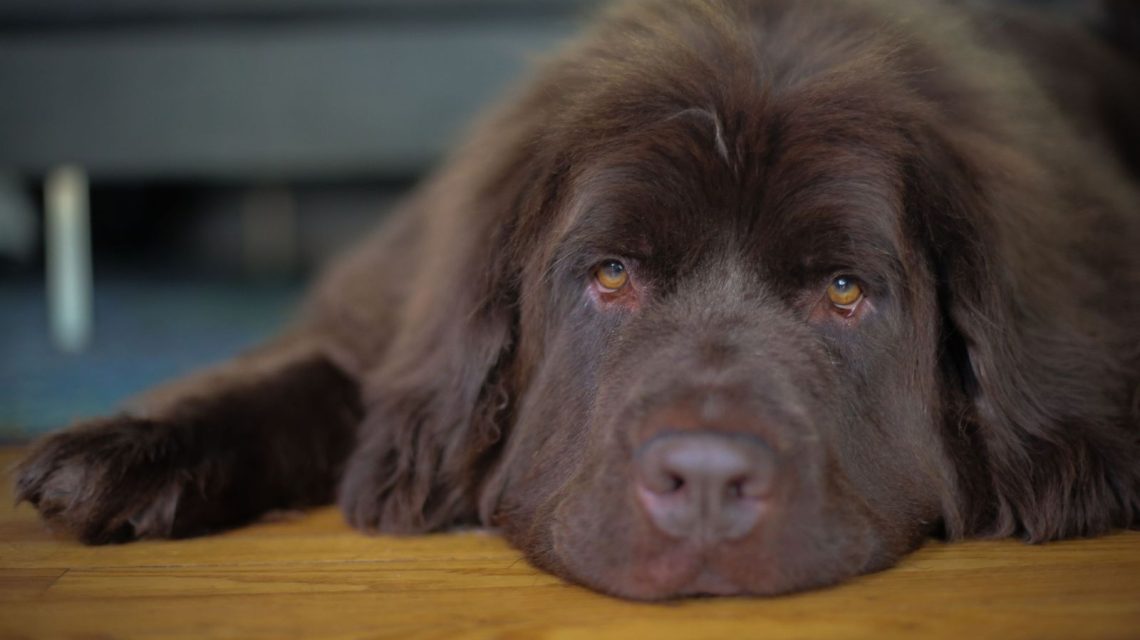
Newfoundland
Known as “gentle giants,” Newfoundlands exhibit a calm demeanor and deep attachment to their owners, making them beneficial for individuals dealing with anxiety. Their gentle nature is why they’re often seen as therapy dogs.
However, their thick coat demands regular grooming. Expect frequent brushing and vacuuming routines.
Labrador Retriever
Labradors boast popularity due to their friendly, eager-to-please nature, suitable for service and therapy roles. Their lively disposition enhances routine, activity, and interaction, beneficial for anxiety management.
Prospective owners should be mindful of breeding lines. “Field” Labradors possess higher energy levels compared to therapy-bred ones.
Golden Retriever
Golden Retrievers are cherished for their gentle, emotionally intuitive nature. They’re prevalent in therapy roles due to their loving disposition.
Doggett advised considering energy levels, noting field-line goldens, typically bred for sports, are more active than companion-bred lines.
Poodles
Both poodles and miniature poodles excel as therapy or emotional support companions. Their independent yet playful nature ensures they stay close to their owners in stimulating environments.
Greyhound
Retired racing greyhounds surprise many with their calm demeanor at home. These “couch potatoes” are laid-back yet loyal, forming close bonds with their owners.
Greyhounds sleep between 18 to 22 hours a day, but they remain dedicated companions.
Rescue Dogs and Considerations
Rescue dogs, especially mixed breeds aged 5 to 7, often emerge as remarkable therapy companions. Doggett highlighted that older dogs, already possessing basic training, might learn faster.
Early experiences and overall health influence a dog’s anxiety levels. Doggett noted that dogs spayed or neutered before 8 months might exhibit more anxiety, while those before 4 months have long-term anxiety.
A balanced diet, whether lightly cooked or raw, contributes to calmer, healthier dogs potentially more attuned to their owner’s emotional needs.
While dogs provide comfort, they shouldn’t replace professional mental health treatment. Many owners find companionship, routines, and the physical affection dogs offer complements other anxiety-management strategies.
 Medicare Lab Test Payments: Upcoming Changes and Their Implications
  Gen Z Faces Economic Barriers to Dating and Intimacy
  Understanding and Preventing Suicide: A Public Health Priority
  Presley Gerber’s Death Highlights Concerns in Addiction Treatment Approaches
  MAHA Activists Challenge Trump and RFK Jr. on mRNA Vaccines
  Fraud Task Force Saves Billions by Targeting Obamacare Fraud