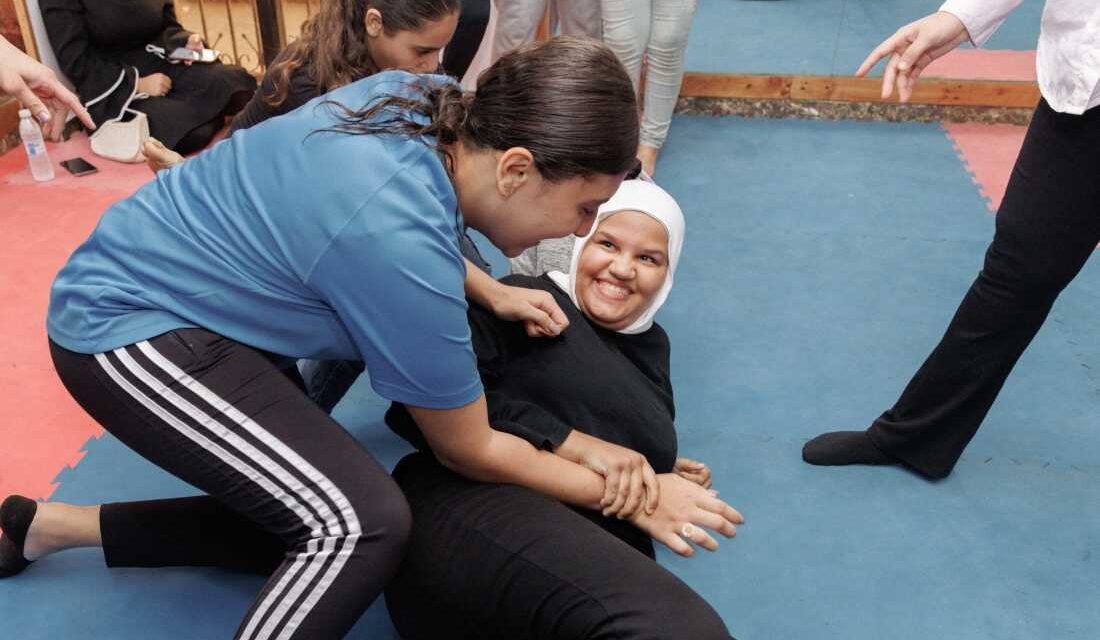
In the Burj al-Barajneh refugee camp in South Beirut, young Palestinian girls engage in jiu jitsu training, learning skills beyond traditional gender roles. Coach Mirella Atallah guides them through the Brazilian form of the martial art, emphasizing empowerment over self-defense.
Mirella Atallah, a Lebanese-Canadian and former world champion, dedicates her life to training marginalized communities worldwide. She characterizes jiu jitsu as enhancing women’s empowerment in public spaces. Atallah notes significant transformations in her students’ self-perception and attitudes.
One student, Aisha Saqqa, an 18-year-old college freshman, describes how the training shifted her mindset. Under Atallah’s mentorship, Saqqa became more self-aware and vocal, contradicting cultural norms encouraging silence. The program includes heightened public awareness, proactive body language, and vocal assertiveness.
Atallah recalls a class participant who struggled with shouting for help. The program empowers students like Saqqa, aspiring to start a perfume business post-college, to embrace public life confidently.
Malak, a teenage refugee and jiu jitsu practitioner, along with her friend Hanan, plans to pursue a career as a beauty specialist. The training fosters resilience in students dealing with prevalent issues in Lebanon’s refugee camps, marked by economic struggles and ongoing conflicts.
Atallah herself, having faced childhood bullying and financial challenges, rose to prominence in martial arts. Her journey from Lebanon to Kuwait, and eventually to Canada, illustrates her qualities as a role model. Despite parental opposition, she pursued judo, transforming professionally and personally through martial arts disciplines like jiu jitsu.
Her introduction to jiu jitsu led to competitive success within six months, achieving the status of the first Lebanese woman to earn a black belt in Brazilian jiu jitsu. Also, a certified yoga instructor, Atallah shares her passion globally.
Training in Beirut’s cafes, Atallah explains the disparity between superficial views of Lebanese women and the harsh realities faced by those in refugee camps. Women encounter risk, limited mobility, and familial abuse.
Atallah and Ola, a class coordinator, emphasize the development of supportive communities within training programs, aiming to create safer environments for women and girls. Atallah notes that women rarely venture out after dark, impacting their health and mobility.
Atallah collaborates with NGOs to provide free classes to marginalized groups, impacting approximately 1,500 women worldwide, including those in Syria and Pakistan. Participants range from 12 to 83 years old.
Fatima Mohammad, a 21-year-old instructor and designer, credits jiu jitsu with improving her confidence and mindset. During classes, Atallah encourages participants to envision positive changes for their communities, empowering them to become agents of change, embodying the ripple effect.
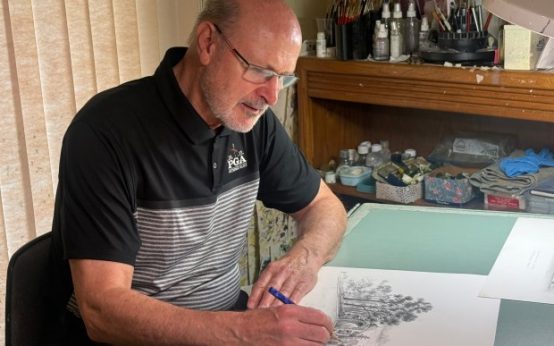 Steve Lotysz: From Gates to Galleries
 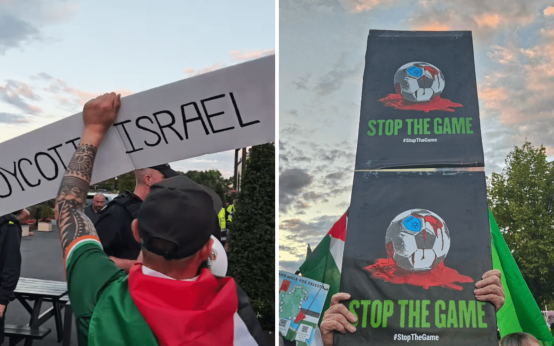 Ireland Faces Calls to Boycott Matches Against Israel
  Jaxson Dart’s Knee Injury Could End Giants Season
  Rod Brind’Amour Suggests Ending NHL Preseason
  Impact of the World Baseball Classic on Paul Skenes’ Performance
 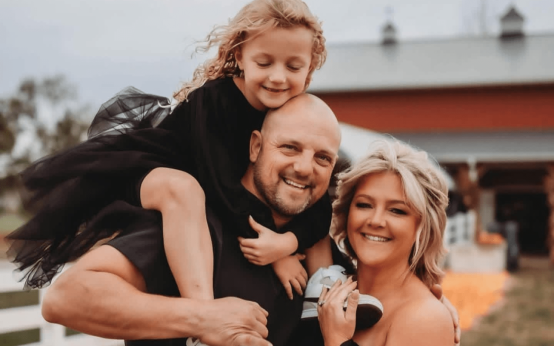 Life Through Cancer: A Family’s Journey of Love and Resilience