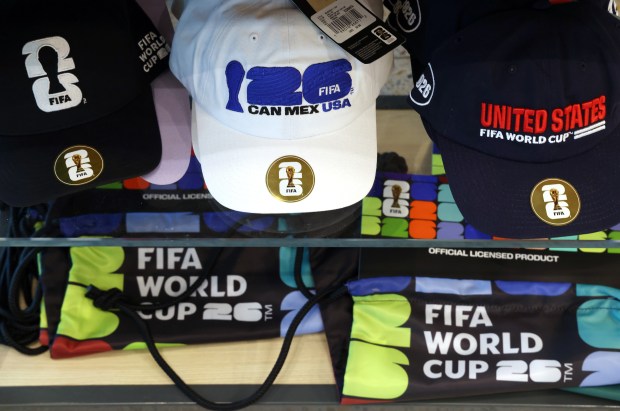
FIFA searched for a U.S. city with key attributes: centralized location, transit options, hotels, passionate soccer fans, and an NFL-sized stadium. Chicago met these criteria but chose not to pursue hosting, allowing Kansas City to emerge as the Midwest’s focal point. Previously, we’ve discussed the complicated decision regarding Chicago.
During the IPW international travel conference where Illinois celebrated Route 66’s centennial, Kansas City promoted its upcoming major event poised to gain global attention. Devin Aaron, Visit KC spokesman, stated, “The city’s ready. This is the biggest thing Kansas City has ever hosted, and we want to knock it out of the park.”
Kansas City positioned itself as America’s enthusiastic soccer capital, attracting national teams from England, Argentina, the Netherlands, and Algeria, all opting for the area over larger cities. These teams chose Kansas City for their base camps, which include a designated training facility and secure hotel accommodations, placing the city in a worldwide spotlight.
Kansas City aims for its free viewing festival to become a premier fan event. Although some may view it as a “cow town,” Kansas City has long invested in soccer infrastructure. The city plans to deploy extra buses to strengthen weak transit services, while some hotels raised rates excessively, causing visitors to opt for nearby communities.
Ticket prices are high, though resale markets sometimes offer lower rates. Federal funding for security and transit improvements have been relatively modest.
The top concern for many doesn’t involve Kansas City directly; it’s about U.S. travel policies under President Donald Trump. Reports of possible challenges for foreign soccer fans due to strict travel regulations are circulating. U.S. Customs and Border Protection suggested reviewing social media and extended family backgrounds of visitors. Travel bans predominantly affected soccer-focused nations from Africa and the Middle East.
World Cup merchandise is displayed at Kansas City airport ahead of the 2026 World Cup on May 5, 2026, in Kansas City, Missouri. (Jamie Squire/Getty)
During the IPW conference, Nick Adams, a special presidential envoy, insisted, “There’s nothing I’ve said in the past that is harmful,” dismissing foreign visitors’ concerns as “total and utter nonsense” and “myths.” He advised, “Follow our rules, follow our laws, and you’ll be welcome.”
Foreign travel to the U.S. declined since Trump’s second term began, largely from one nation. Canada took offense to trade war criticisms and perceived it as a potential U.S. state. Consequently, U.S. travel from Canada dropped by 22% last year, according to the U.S. Travel Association. Its leader, Geoff Freeman, acknowledges, “We’ve got work to do to re-earn their trust and let them know America wants them.”
Kansas City welcomes Canadian visitors and international soccer fans. Chicago soccer fans, happy to hear about a privately financed stadium plan for the Chicago Fire, hope to enjoy matches safely despite venturing outside their city.
Submit letters, up to 400 words, here or email [email protected].
 Scrutiny Over Alberta Separatists’ Alleged Offer to the U.S.
  Alleged Cartel Leader Arrested in Mexico
  Trump Orders Nidal Hasan’s Execution by Firing Squad
  Russia Criticizes Potential U.S. Military Base and Nuclear Plan in Lithuania
  Trump’s Political Sway in Latin America’s Elections
  Flávio Bolsonaro’s Strategic Decision in Presidential Campaign