
In March, Senator Bernie Sanders of Vermont held an unorthodox event where he engaged with an artificial intelligence (A.I.) chatbot, Claude, from Anthropic. During the exchange, Sanders explored the implications of A.I. data collection on democracy and discussed the possibility of implementing a temporary halt on the development of new A.I. data centers. This interaction illustrated Sanders treating the A.I. software as though it possessed human-like cognition, a perspective increasingly seen among some progressive figures.
In April, Sanders referenced a claim by A.I. expert Geoffrey Hinton on CNN, suggesting that there might be a significant chance of an A.I.-induced existential threat to humanity. This notion echoes the apocalyptic warnings often promoted by figures in the tech industry, despite substantial disagreement from various experts.
Some tech leaders in Silicon Valley propagate the idea of A.I.’s potential to wield immense power, possibly surpassing human capability. Hype surrounding this potential drives stock prices upwards, and figures like Sanders, along with other left-leaning Democrats, seem to support this narrative. However, defining a consistent policy stance on A.I. remains a challenge.
The left’s concerns about A.I. often focus on its use in the military, surveillance, and economic displacement.
On March 25, Sanders, with Representative Alexandria Ocasio-Cortez of New York, introduced legislation for a moratorium on A.I. data center construction. Their proposal intends to set limits ensuring A.I. technology does not harmfully affect the future. However, the practicality of such a moratorium is questioned, especially when the bill highlights warnings from billionaires about A.I.’s potential dangers.
Other legislators have put forth bills to address A.I. regulation. In 2024, Representative Summer Lee and Senator Edward J. Markey proposed oversight on algorithmic bias in government agencies. Senator Chris Coons also promoted tech development that respects human rights, presumably including A.I. These initiatives suggest minor regulatory adjustments but seem stalled in the legislative process.
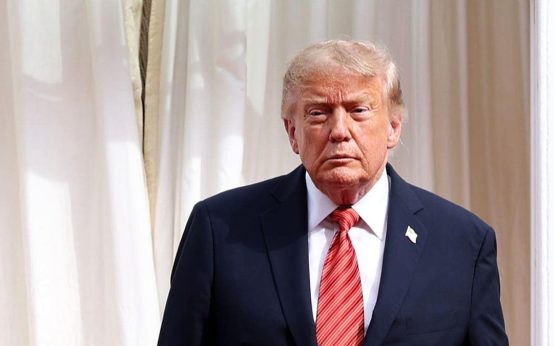 Trump Pressures Republicans on Filibuster Threat
 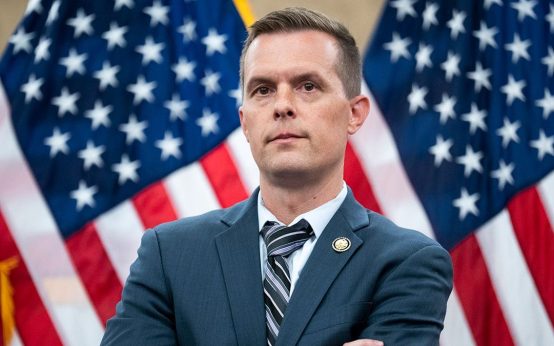 Rep. Golden Endorses Rep. Lawler for Re-election
  Public Perception and Political Impact of Data Centers
 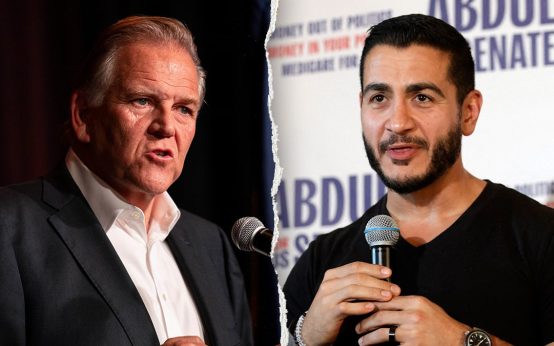 Jewish Democrats in Michigan Shift Support to GOP Candidate in Senate Race
  Google Fined for Breaching EU Privacy Rules
  Mayor Mamdani and President Trump Discuss Major Housing Project in NYC