On May 18, Starbucks Korea planned to launch a marketing campaign offering a large drink tumbler named “tank”. This day marks the anniversary of the 1980 Gwangju massacre, a tragic event in South Korea’s pro-democracy movement. Public backlash erupted against the perceived insensitivity of the campaign.
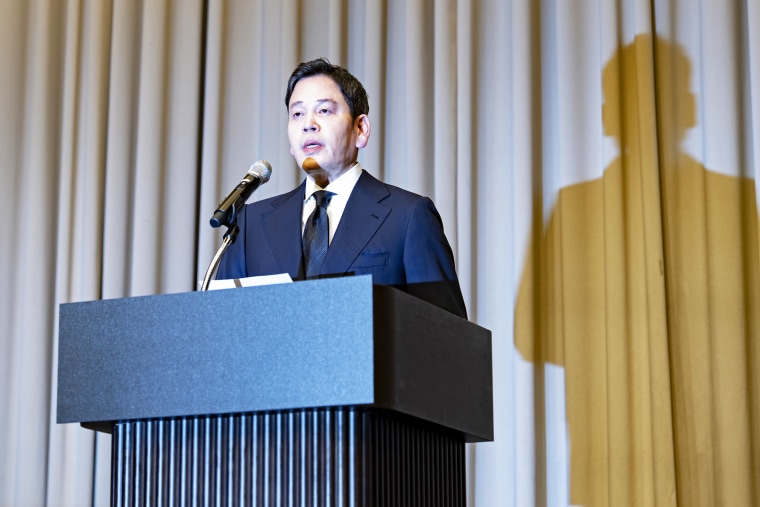
Following the public outcry, Chung Yong-jin, the chairman of the Shinsegae Group and major stakeholder in Starbucks Korea, apologized publicly. He stated the company’s commitment to understanding societal history and respecting public sentiment. Chung emphasized directing any public dissatisfaction away from Starbucks employees, as he offered a heartfelt apology.
Despite Chung’s apology and the firing of Starbucks Korea CEO Sohn Jeong-hyun, the controversy persists. Calls for boycotts have support from government officials, and an interior minister declared a halt to company vouchers that trivialize South Korean history. Protesters in Gwangju were filmed breaking Starbucks merchandise, expressing their anger.
President Lee Jae Myung voiced his condemnation, labeling the campaign as disrespectful to South Korean values of democracy and human rights. The issue is politically sensitive, occurring as preparations for local elections begin.
Kim You Kyung, a Hankuk University professor, explained that the timing of the campaign was poor, as Starbucks is a beloved brand in South Korea. People feel disappointed by the insensitivity.
The Shinsegae Group found no evidence that employees deliberately mocked the Gwangju movement, but the investigation continues. The group removed five marketing staff involved in the campaign, intending to cooperate with both police and further internal inquiries.
The Democratic Party commented that although the apology from Chung is necessary, suspicions remain about the campaign’s intentions. Jeon Jin-sook called for transparent disclosure of investigation results.
People Power Party members criticized the backlash, terming it consumer censorship. They highlighted an incident involving a South Korean actor’s termination for a social media post at a Starbucks.
Professor Kim stated this controversy as a lesson for global brands about cultural and historical sensitivities, particularly American and developed-country companies operating overseas.
Kim Young Jin, a university student, acknowledged Starbucks’ apology but criticized the overwhelming public hostility towards the company. He believes people’s preferences for Starbucks products outweigh the campaign’s negative impact.
Reporters Stella Kim and Jennifer Jett contributed to this article from Seoul and Hong Kong, respectively.