
The inaugural Enhanced Games in Las Vegas marked a significant shift in the sports world. These games allowed, and even encouraged, doping for higher athletic performance. Participants like Shania Collins, who once hesitated about performance-enhancing drugs, were drawn by the promise of substantial financial rewards.
Background and Motivation
Collins, a former sprinter affiliated with brands like Puma and Adidas, retired from sports at 29. She was considering a career with the Drug Enforcement Administration (DEA), following in her parents’ footsteps. Her plans changed when approached by the Enhanced Games organizers. They promised hefty salaries and prize money up to $1 million for setting world records.
“Is it illegal, is it safe, and is it prescribed?” Collins’ parents asked when she informed them of the opportunity.
Collins reassured them that the drugs were legal and prescribed, with doctors closely monitoring her. Her parents supported her decision.
Participation and Training
Before the competition, Collins underwent over two months of drug therapy supervised by the Enhanced Games. Despite side effects like acne and hair growth, she had no regrets about participating. She was one of 42 athletes competing in the Las Vegas event designed to test the limits of human potential with performance-enhancing drugs.
Scientific and Ethical Debate
Max Martin, the CEO of the games, argued that athletes should be allowed to use drugs to maximize their capabilities. Co-founder Christian Angermayer stated it was unethical not to allow PEDs, equating it to neglecting safety gear for coal miners.
Opponents, including anti-doping advocates and WADA, criticized the games as promoting a dangerous message. They raised concerns about health risks and questioned the games’ intent to market dietary supplements and influence aspiring athletes.
A New Frontier in Sports
The games operated under a controlled framework, offering only FDA-approved drugs. Athletes underwent a clinical trial, which revealed that a significant percentage used testosterone, human growth hormone, and other stimulants.
Some athletes, like Ben Proud, underwent emotional turmoil before their first drug dose. Yet once on their protocols, most reported increased energy and improved training capacity. Concerns about long-term health effects, including fertility, were mitigated by organizers offering solutions like egg freezing.
Financial Incentives
The Enhanced Games offered substantial financial incentives. The first-place prize of $250,000 for events compared favorably to bonuses for Olympic gold medals. Even athletes who did not use drugs participated due to the financial appeal.
Notably, Marvin Bracy-Williams joined the games after a doping ban, highlighting the financial motivation behind athletes’ choices. Kristian Gkolomeev received $1 million after breaking a world record in a private event, underscoring the significant earnings potential.
Event and Organizers’ Vision
The Enhanced Games, initially funded by venture capitalists like Peter Thiel and Donald Trump Jr., aimed to transform sports events into marketing platforms for the drugs athletes used. Products like GLP-1s and testosterone injections were made available to consumers.
Cody Miller, an Olympic gold medalist, articulated a view shared by some athletes: PEDs are useful for older competitors needing quicker recovery times, while unnecessary for younger athletes due to their natural resilience.
Event Setting and Outcomes
The inaugural games took place in a custom-built stadium in Las Vegas. Invitations to attend were exclusive, with sponsors and investors making up the audience.
Enhanced’s creative rules allowed for unique performances. Despite controversies, such as false starts in races, non-enhanced athletes won the 100-meter races. Fred Kerley, parading clean, challenged drug-enhanced rivals to improve their performances.
Enhanced’s long-term vision includes broadening the spectator base by making athletes relatable regardless of doping status. One successful record was set by Gkolomeev, showcasing the financial and commercial potential of the games.
The Enhanced Games’ organizers, like Angermayer, see the commercialization of sports as aligning with traditional business goals. They argued their tournaments promoted positive products, challenging other sports sponsored by questionable corporate interests.
 NFL Seeks Regulation for Prediction Market Platforms
 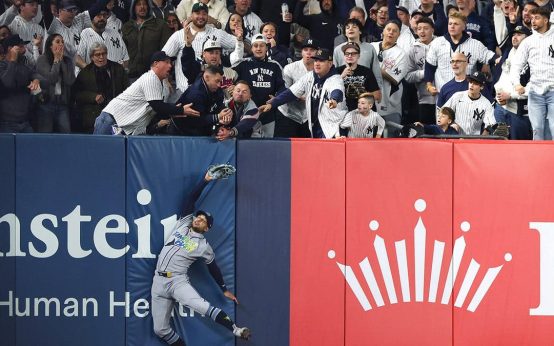 Yankees’ Season Ends as Fan Interference Alters Key Play
 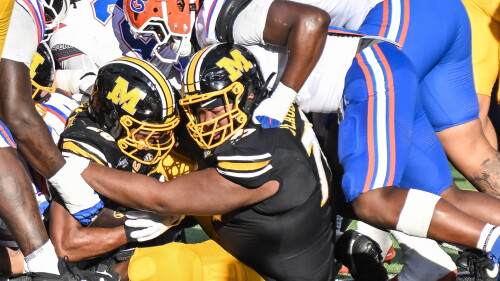 Analyzing the Top College Football Playoff Contenders
  Dallas Cowboys Aim for Victory with Tyler Smith’s Return
 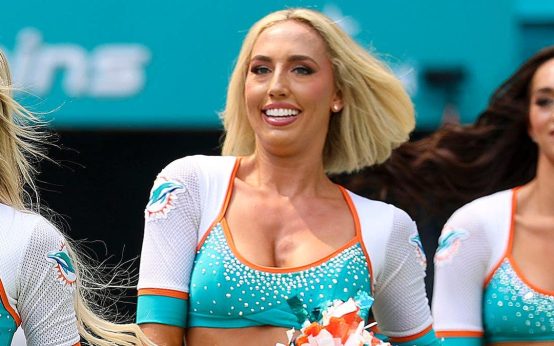 Exploring Unique Stories and Unexpected Deliveries
 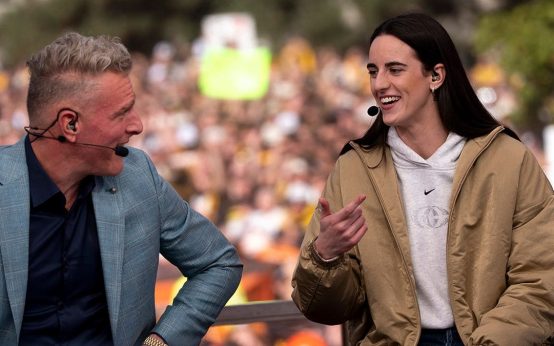 Caitlin Clark’s College GameDay Appearance Draws Record Viewership Amid Criticism