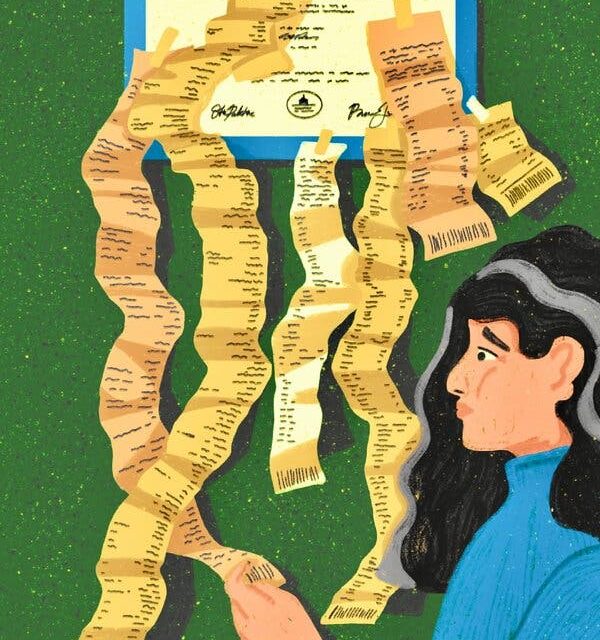
Starting July 1, millions of federal student loan borrowers will need to select a new repayment plan. The Trump administration is implementing significant changes to the student loan system.
The Biden-era plan, known as SAVE (Saving for a Valuable Education), is being dismantled. This program, the most affordable income-driven plan, currently includes around seven million people. With the changes, these borrowers must choose a new repayment option and resume payments. Their payments have been paused for nearly two years due to legal challenges against the SAVE plan filed by Republican attorneys general.
Federal loan servicers will begin notifying SAVE enrollees about deadlines and actions they need to take. The newly introduced repayment menu aims to reshape the student loan landscape, following the tax and policy bill passed last summer.
Borrowers may face new challenges, especially with the current economic environment. Inflation, rising utility bills, gas prices, and healthcare costs intensify the situation for many families.
“There’s a lot of anxiety out there,” said Betsy Mayotte, president of The Institute of Student Loan Advisors, which offers guidance to borrowers. “It’s not just about the student loan payments going up. It’s everything hitting at once.”
While SAVE borrowers should take action promptly, changes will also affect other borrowers. Two new repayment programs will be introduced and several existing ones will phase out. Understanding these options is crucial for borrowers managing their financial situations.
Below is a breakdown of monthly payments for a borrower with $60,000 in student debt at a 6.8% interest rate, with a household of two:
- Adjusted Gross Income: $30,001 – Standard 10-year: $690, RAP: $25, IBR (15%): $0, IBR (10%): $0, PAYE: $0, ICR: $148
- Adjusted Gross Income: $50,001 – Standard 10-year: $690, RAP: $158, IBR (15%): $228, IBR (10%): $152, PAYE: $152, ICR: $481
- Adjusted Gross Income: $70,001 – Standard 10-year: $690, RAP: $358, IBR (15%): $478, IBR (10%): $319, PAYE: $319, ICR: $611
- Adjusted Gross Income: $90,001 – Standard 10-year: $690, RAP: $625, IBR (15%): $690, IBR (10%): $486, PAYE: $486, ICR: $611
- Adjusted Gross Income: $110,001 – Standard 10-year: $690, RAP: $867, IBR (15%): $690, IBR (10%): $652, PAYE: $652, ICR: $611
Note: The RAP plan uses strict income cutoffs, meaning earning slightly more can move a borrower into a higher bracket. The Pay As You Earn (PAYE) and Income-Contingent Repayment (ICR) plans will end after July 2028.
 Concerns Over AI’s Impact on Higher Education Learning
  Remote Work Benefits Students and Societies Alike
  Implications of Stripping Tax-Exempt Status from Schools Engaging in Racial Admissions Policies
  Challenging Inappropriate Books: The Struggle Against Criticism
  AI’s Impact on College Admissions Jobs
  Community Colleges in Chicago Prepare for AI’s Role in Workforce