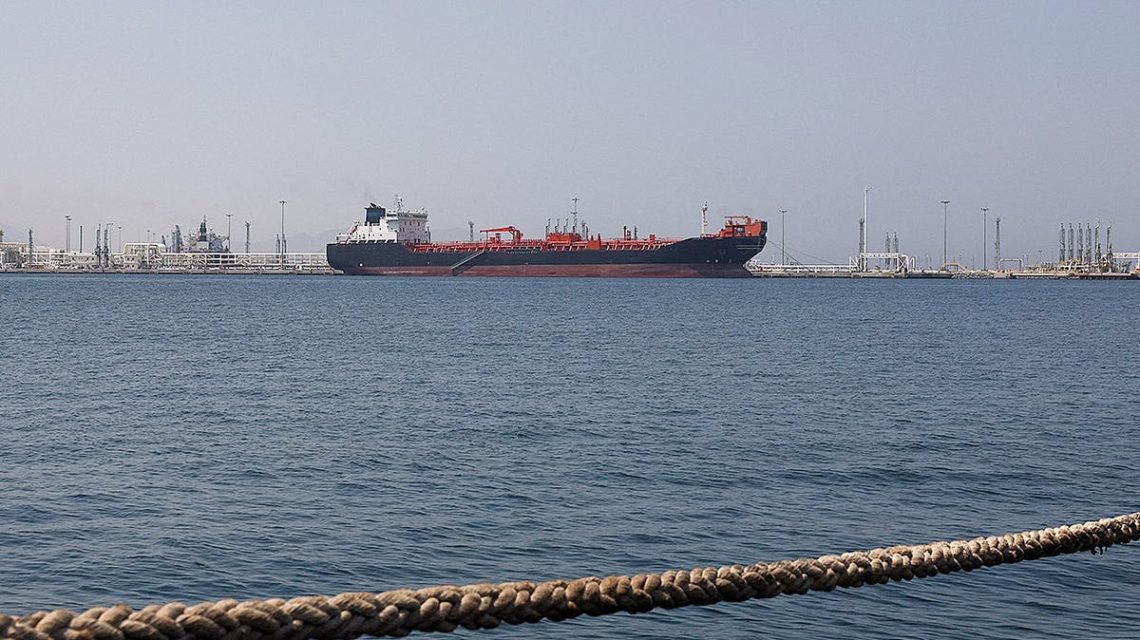
President Donald Trump has emphasized keeping the Strait of Hormuz toll-free, opposing Iran’s claims of a ‘controlled maritime zone’ with potential tolls. The U.S. exerts control through blockade measures, while imposing economic sanctions and engaging in diplomatic efforts with Gulf allies to pressure Iran’s nuclear program and regional ambitions.
Maritime tracking data collapsed near the UAE’s main oil hub, causing concern in Persian Gulf shipping. This occurred hours before Trump announced progress on a bilateral peace deal with Iran, according to a maritime firm. Windward AI, a maritime intelligence company, detected a blackout in Automatic Identification System (AIS) transmissions near Fujairah. This suggests increased electronic interference, jamming, deliberate AIS shutdowns, and cyber disruption near the key UAE oil port.
“Fujairah goes dark: AIS transmissions collapse after Iran’s PGSA announcement,” Windward reported on X. “Vessels are still present, loading less, and a significant number have ceased transmitting,” they noted.
As Trump declared that an Iran deal was “largely negotiated,” Fujairah moved 1.35 million barrels of crude aboard a tanker to South Korea. Windward stated, “Today, May 24, the port moved 1.35 million barrels, a single VLCC, destined for South Korea.” They reported a continuing “ceasefire posture” and the establishment of a blockade footprint, indicating a tentative resumption of shipments.
Trump had previously announced that Washington and Tehran had “largely finalized” a memorandum of understanding for peace. He shared an AI-generated image of IRGC fast boats exploding in the strait.
Iran reaffirmed its control over the Strait of Hormuz, retaining full administration and sovereignty, even if agreements are reached,
stated military spokesperson Ibrahim Al-Fiqar. Tehran insists on exclusive rights to determine transit routes, timing, and maritime licenses.
The blackout, crude transfer, and U.S.-Iran deal movements followed Iran’s Persian Gulf Strait Authority (PGSA) inception on May 20. The PGSA, managed by the IRGC Navy, requires ships to submit vessel, cargo, insurance, and crew details, alongside payments for safe passage.
Analysts informed Fox News Digital that Iran’s territorial claims extended beyond its waters into regions linked to Oman and the UAE. Alex Vatanka, director of the Iran Program at the Middle East Institute, stated enforcement “relies on the IRGC Navy’s asymmetric playbook,” such as fast boats, drones, radar tracking, coastal missiles, and selective intimidation.
Vatanka noted Tehran’s aim for Gulf states and major importers to accept Iranian oversight of Hormuz as a new reality. While nuclear issues dominate the negotiations amid a reported 60-day ceasefire, the PGSA has emerged as a tool impacting global oil and shipping markets.
According to Vatanka, the system acts as a wartime extortion mechanism, with ships submitting cargo and crew data for approval, encountering “facilitation payments,” preferential treatment for allies, and uncertainty for others. Noncompliant ships face risks like delays, harassment, or IRGC interception, pressuring compliance without closing the strait.
 Historical Discrepancies and Diplomatic Sensitivities in U.S.-China Relations
  Escalating Tensions: Russia’s Nuclear Threat and the Kaliningrad Conundrum
  Marco Rubio Discusses Thwarted UK Terror Plot and Global Threats
  New Leads Emerge in 2014 Ayotzinapa Student Disappearance Case
  Concerns Over U.N. Secretary-General Candidate’s Alignment
 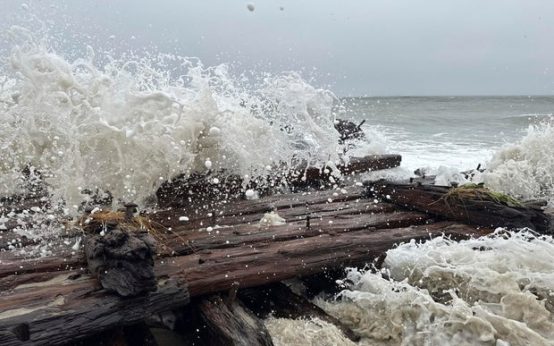 Possible Shipwreck Exposed After Nor’easter in Nantucket