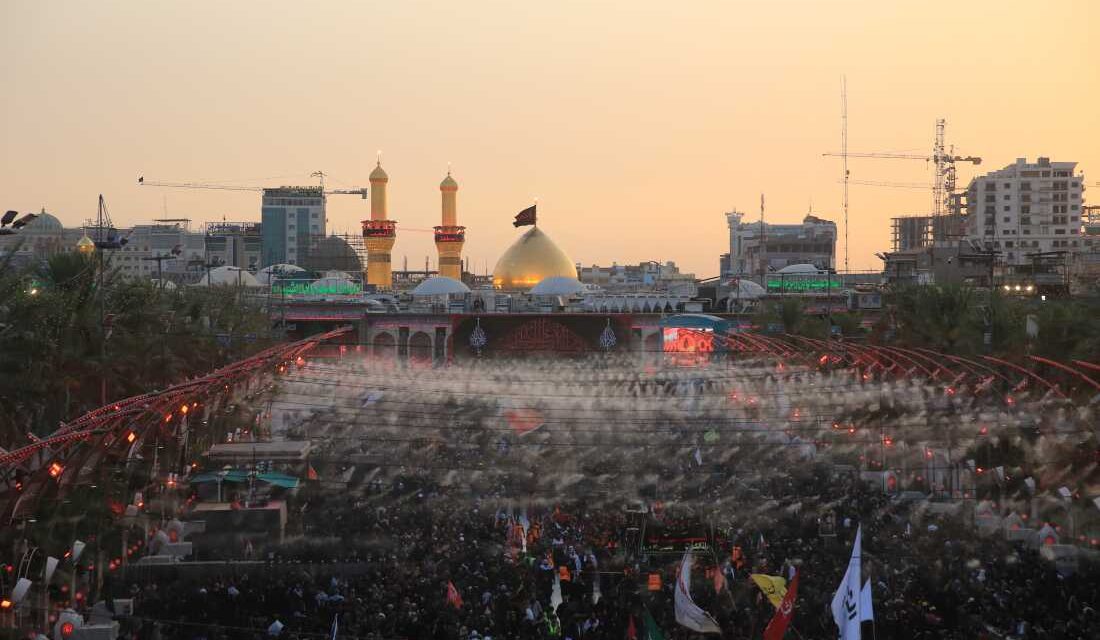
Arbaeen Gathering Enlightens Karbala
In Karbala, Iraq, millions of pilgrims gather for the Arbaeen commemoration. This event honors Imam Hussein, who died in the Battle of Karbala 1,400 years ago. This gathering transforms the city, as devotees reflect on the Imam’s sacrifice.
Arbaeen holds significant meaning. Some pilgrims offer cold water to remember the drink denied to Hussein and his followers. This gesture serves both practical and spiritual purposes.
Modern Echoes of Historical Injustices
The recent deaths of Ayatollah Ali Khamenei and his family stir emotions among the pilgrims. Many attribute these events to the U.S. and Israel, mirroring the injustices faced by Imam Hussein. Iran reported over three million of its citizens participated this year.
“More people came to Arbaeen this year because they want to avenge Agha’s blood,” said Maryam Ghanbari, echoing the sentiments of many Iranian pilgrims.
Ghanbari, along with others, walked significant distances to express their devotion. This reflects persistence and determination in honoring their faith and leadership.
Historical Perspective
Arbaeen is a vital event for about 200 million Shia Muslims globally. Suppressed during Saddam Hussein’s rule, Shia practices revived post-2003 following the U.S. invasion. This geopolitical shift allowed Iraq’s Shia majority to reembrace their rituals. Iran’s relationship with Iraq evolved from adversary to ally after long conflicts, influencing current political dynamics.
Currently, some militias allied with Iran hold substantial influence within Iraq’s security apparatus. Their actions reflect ongoing tensions with foreign powers, particularly the U.S.
Personal Devotion and Faith Expressions
Pilgrims like Ali Aadi Khairi and Sajjad Haitham Latif symbolize the enduring spirit of Arbaeen. They journeyed from Kut, facing challenges while honoring Imam Hussein with personal tributes.
Public displays of devotion include processions and religious banners. Many pilgrims carry symbols of faith and identity, underscoring the cultural and spiritual solidarity of Shia communities.
Preparation and Pilgrimage Rituals
As the Arbaeen pilgrimage approaches, pilgrims prepare for their journey with defined rituals. Hospitality tents provide support along their route, offering meals and rest.
Inside the shrine, grieving rituals are intense. Participants engage in mourning practices, immersing themselves in grief for Imam Hussein and his companions.
A Broader Shia Identity
Many pilgrims view their participation as a statement of Shia strength. Naser Zadih, a teacher from Tabriz, suggests that recent events have amplified resistance against perceived adversaries.
While political tensions exist, the cultural resistance and identity assertions during Arbaeen remain profound. This pilgrimage unites diverse Shia communities globally, reinforcing their religious and cultural affinities.
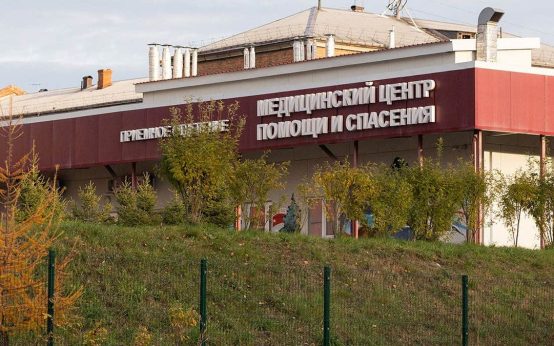 US Monitors Russian Pneumonic Plague Case
 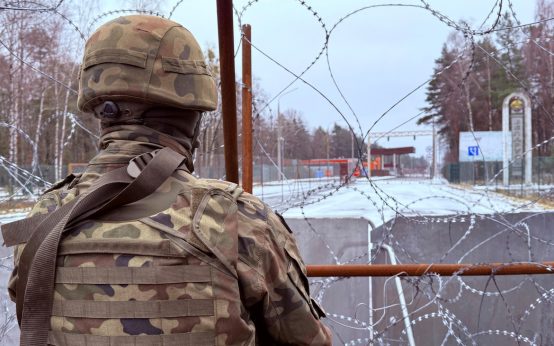 Poland Prepares for Potential Conflict Amid NATO Concerns
 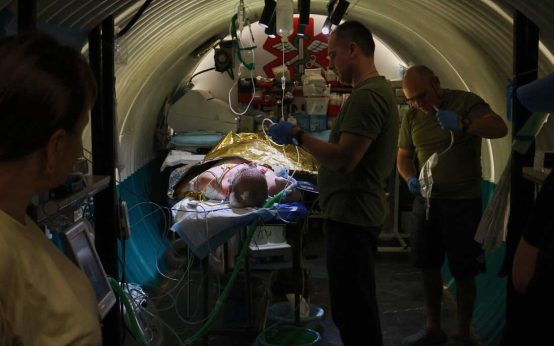 Drone Warfare Redefines Ukraine’s Frontline Conflict
  Key Developments in the Iran Conflict Affecting Global Oil Markets
  U.S. Military Strikes Vessel in Caribbean, Allegedly Involved in Drug Trafficking
  Australia Probes FlyDubai Co-Pilot’s Connections