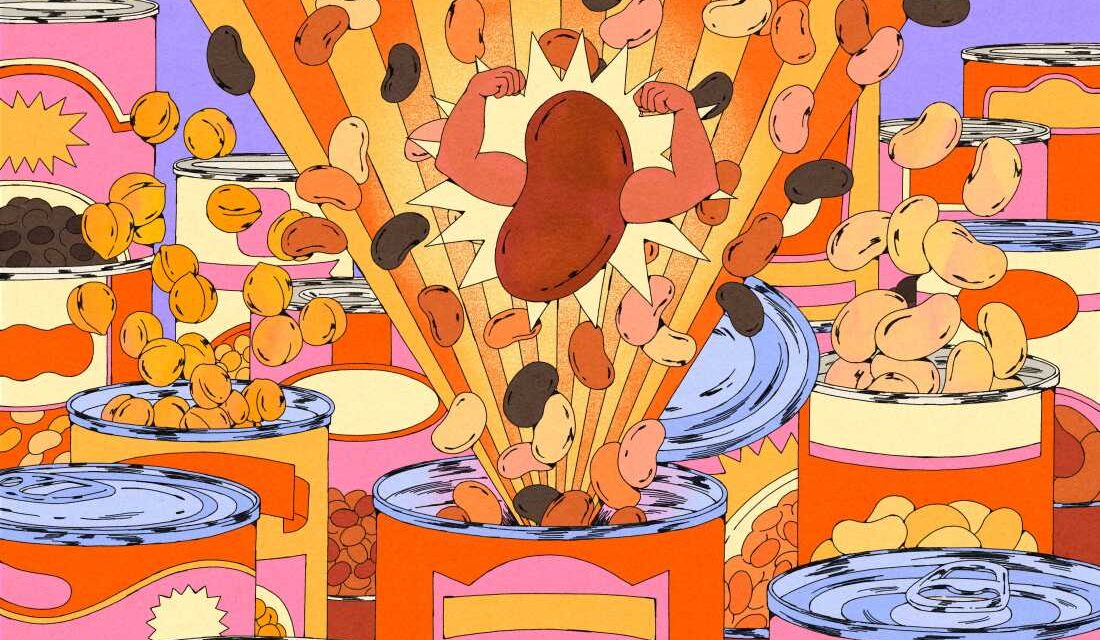
Grocery prices can be troubling, but beans are emerging as a clever solution. Interest is growing in these small, bulbous legumes as Americans seek affordable, healthy foods. Social media has seen a surge in bean-centric recipes, with ‘bean-fluencers’ creating a buzz on platforms like BeanTok. Trendier bean-based products have become available, and heirloom-bean services are popular, with tens of thousands on waitlists. The children’s show Bluey is even used in marketing beans to kids.
“There is definitely a renaissance,” said Tim McGreevy, CEO of USA Pulses. He emphasized beans’ positive impact on health. Beans have been central to many cuisines, like dal from South Asia or Latin America’s beans-and-rice dishes, providing a cheaper alternative to animal proteins. They are rich in fiber, a nutrient Americans need more of.
A study in The Journal of Nutrition revealed beans are as filling as beef but come at a reduced cost, appealing as food prices increase. Henry J. Thompson, a Colorado State University professor, stated that beans have clear health benefits: “America, wake up!”
Beans made ancient agriculture possible due to their nitrogen-fixing abilities, as noted by Joël Broekaert, author of A History of the World in Twelve Beans. They help replenish soil nitrogen that grains consume, preventing soil fatigue.
Historically, beans have been essential to human diets. However, large-scale meat production in the last century pushed beans aside. Broekaert noted meat’s increased availability made beans less popular.
McGreevy mentioned U.S. consumption of beans, peas, and lentils was higher during the first half of the 20th century, especially in the Great Depression, and rises during economic uncertainty. The COVID-19 pandemic saw a spike in demand for shelf-stable foods like beans. Beef prices have surged, making beans an appealing, cost-effective option. A can of beans, about 3.5 servings, typically costs under $1.
Beans offer more than fiber. Claudia Garibay packs orders at bean supplier Rancho Gordo’s factory in Napa, Calif., highlighting their popularity. Beans aid in fullness, regularity, blood sugar control, cholesterol reduction, and cancer risk mitigation.
Thompson highlighted beans’ positive impact on gut microbes, with beneficial microbes thriving and disease-associated microbes suppressed. Some beans contain a fiber-to-protein ratio of roughly 1-to-1, offering around 8 grams of protein per half cup. Beans have been reclassified as a protein source in dietary guidelines.
Beans’ reputation as causing gas results from the complex sugar raffinose. Slow fiber consumption increase can help mitigate this.
Beans are celebrated for taste as well as health benefits. Steve Sando, owner of Rancho Gordo, urges appreciation for the deliciousness of beans. He founded his company focusing on heirloom beans, traditional nonhybrid varieties. Demand has steadily grown, leading to the popular Rancho Gordo Bean Club. Sando explained cooking dry beans can be rewarding, “turning something creamy and delicious” after hours of cooking.
Madeline Schapiro began her bean-centric diet to address health issues. Her social media presence as a “bean-fluencer” promotes beans’ benefits and culinary versatility, including dishes like lentil granola or pinto bean yogurt.
USA Pulses aims to double both production and consumption of pulses by 2030, following a global initiative. McGreevy underscores the ongoing collaboration with food manufacturers on products incorporating pulses, like lentil and chickpea pastas. There’s an encouragement to consume a half cup daily. For greater benefit, Thompson suggests 1.5 cups of pulses per day to maximize advantages, recommending variety.