
Senator Bill Cassidy, a Republican from Louisiana, recently lost his reelection bid after voting to convict President Trump following the January 6 Capitol insurrection. His decision marked him as one of seven Republican senators who voted for Trump’s removal, leading to significant political repercussions.
The Senate primary in Louisiana served as a decisive moment to gauge Trump’s sway over the Republican Party. The former president actively campaigned against Cassidy, supporting Rep. Julia Letlow instead. Trump expressed satisfaction over Cassidy’s loss, stating his political career had come to an end.
According to the Associated Press, Cassidy placed third in a three-way race, and Letlow, along with state Treasurer John Fleming, will advance to a runoff on June 27. Despite conceding, Cassidy suggested he wouldn’t end his term quietly. He also took aim at former President Trump, emphasizing the importance of accepting electoral outcomes without contesting them.
Cassidy advised voters to focus on the present and future, rather than dwelling on past political events such as the 2020 election. For many voters, though, Cassidy’s conviction vote felt like betrayal, with Trump’s endorsement taking precedence.
A primary supporter, retired sheriff deputy Kevin Dupree, noted that Cassidy’s political future in Louisiana seemed bleak. Julia Letlow’s campaign has attracted attention, including a notable meeting with supporters in Baton Rouge.
Trump continues his retribution campaign against Republicans who didn’t align with him during key moments. He previously ended political careers of Republicans like Liz Cheney, while Marjorie Taylor Greene resigned. The campaign has extended beyond Louisiana, affecting GOP state senators in Indiana over redistricting disputes.
Senator Susan Collins of Maine faces reelection without a primary challenge due to her recognized capability to hold the seat for Republicans. Senator Lisa Murkowski of Alaska succeeded in reelection through a unique nonpartisan primary system.
In Louisiana, Governor Jeff Landry modified the primary system to restrict Democrats from participating in the Republican primary. The outcome of upcoming primaries, like Kentucky’s, will further test Trump’s influence, where Rep. Thomas Massie faces a Trump-backed challenger.
Cassidy’s approach in his bid for a third term highlights the desires of Republican primary voters. His campaign contrasted with Letlow’s millennial MAGA supporter status, showcasing the importance of Trump’s endorsement.
Denice Skinner, a Republican activist, emphasized Trump’s endorsement as crucial at a Letlow campaign event. Despite Cassidy’s achievements in the Senate, Letlow positioned him as disconnecting from pro-Trump Louisiana voters. She aimed to introduce more parental oversight in education through a ‘Parents Bill of Rights Act’.
As Cassidy questioned Letlow’s stance on diversity and inclusion, her legislative history revealed alignment with Trump’s agenda. Trump’s endorsement of Letlow continues, though he acknowledged both runoff candidates positively.
Cassidy, despite voting for Trump’s conviction, maintained he could work effectively with the administration in the future. Criticism arose when Cassidy backed Robert F. Kennedy’s nomination for HHS leadership, despite concerns over Kennedy’s vaccine stance.
Without reelection pressures, Cassidy may increase his criticism of Trump, mimicking Sen. Thom Tillis who opposed Medicaid cuts. Tillis became a vocal Trump critic after halting a Federal Reserve nomination until certain conditions were met.
On Saturday night, Cassidy addressed his supporters, emphasizing the nation’s principles over individual ambitions. He critiqued leaders prioritizing personal power over public well-being, asserting their lack of qualification for leadership roles.
 Smithsonian’s History Museum Faces Scrutiny Amid Debates on Ideological Influence
 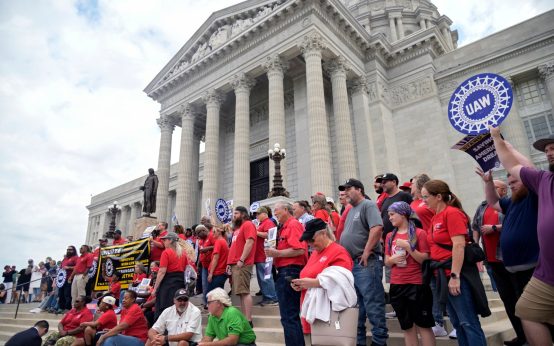 Supreme Court Reaffirms Missouri’s Congressional Districts for Midterm Elections
  Talarico’s Tight Lead in Texas Senate Race
 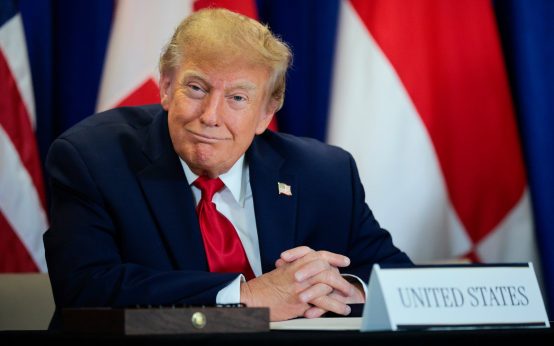 Rep. Steve Cohen Introduces New Impeachment Articles Against Trump
 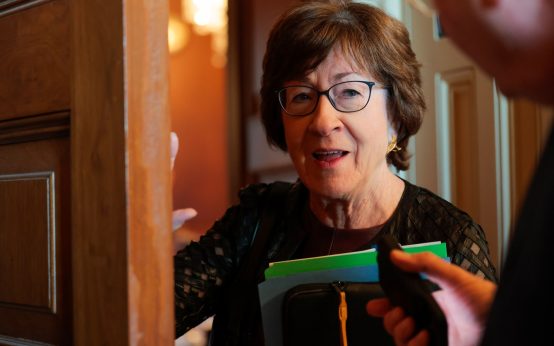 Susan Collins’ Independent Stance Examined in Maine Senate Race
  Debate Over Iran War and Future Settlements